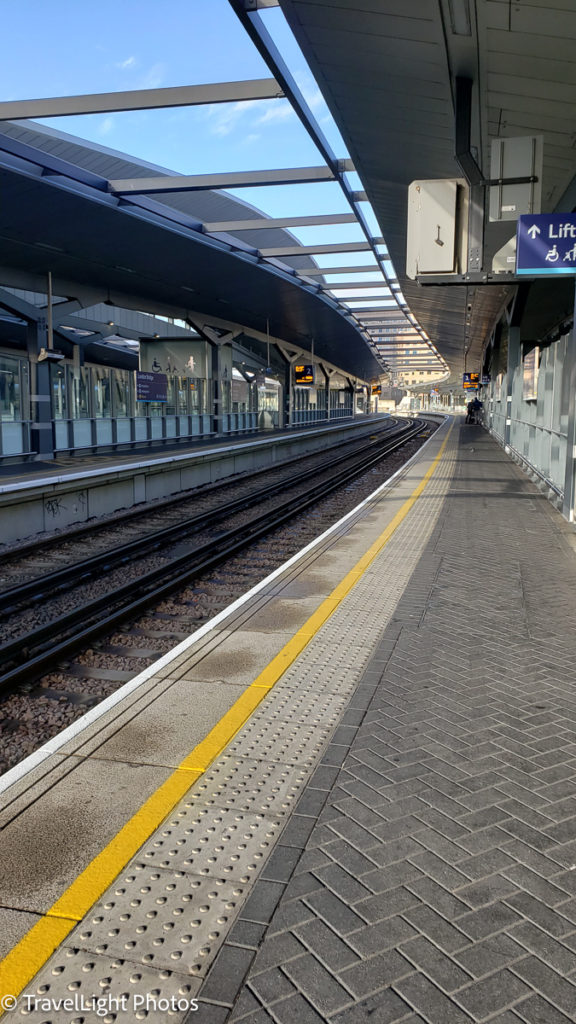
Above left: First adventure of the day was figuring out public transportation to Greenwich. Tube, train… Hugh is a great guide, so we had no problems finding our way to National Rail and getting on the right train to Greenwich.
Greenwich
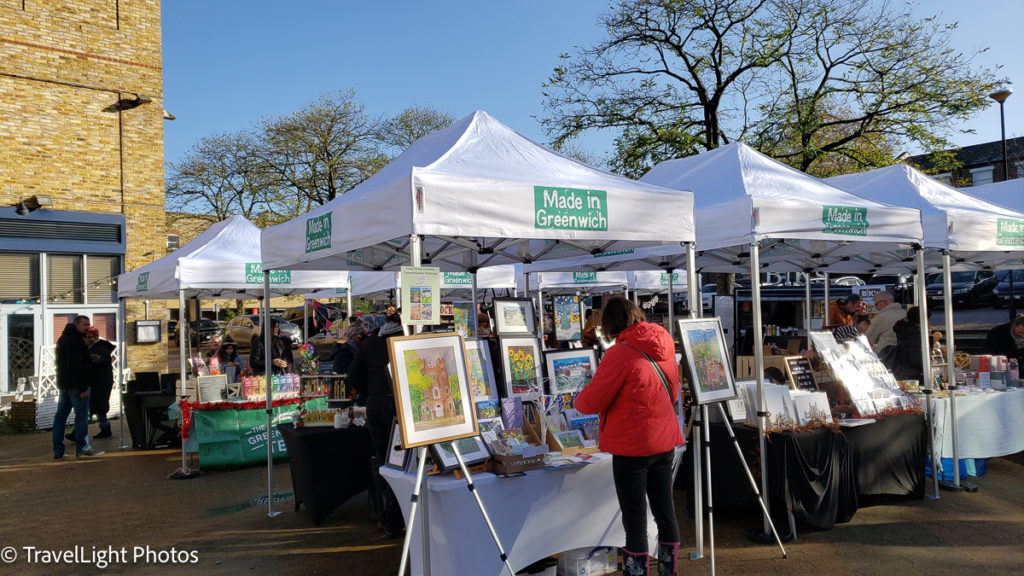
Greenwich hosts many markets. The one below features items made in Greenwich. Lots of fun things to look at, including some wonderful ceramics.
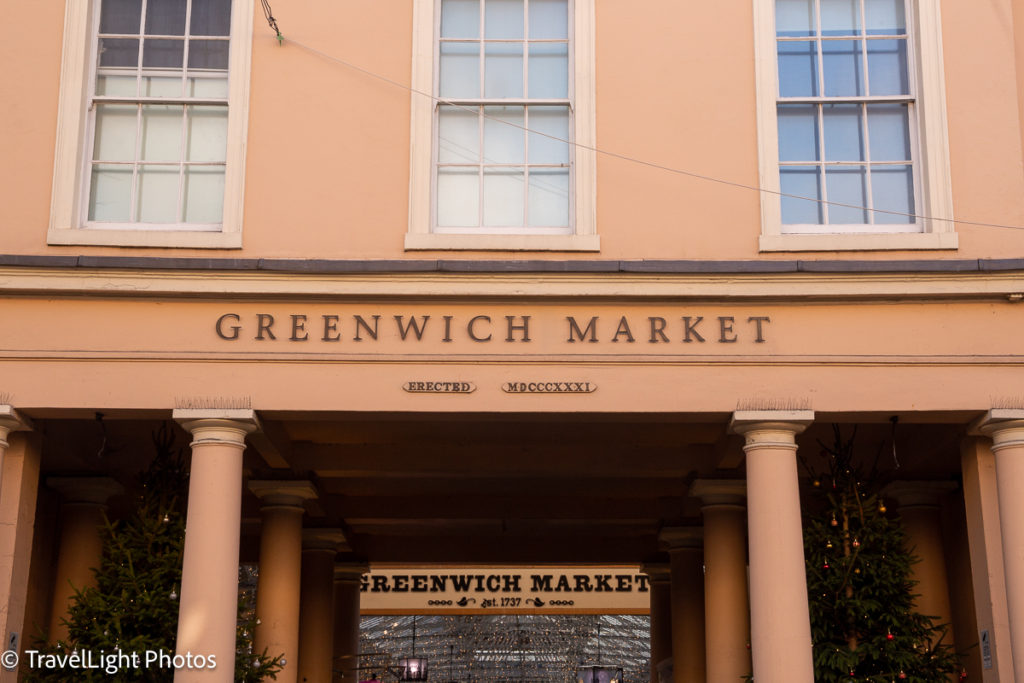
We wandered through the rather large Greenwich Market, which was established in the early 1800s. The market has gone through many stages of repair and renovation. It hosts about 120 stalls. Hugh enjoyed the photography booths, while my stomach growled from all the smells coming from the food stalls.
Greenwich
Greenwich
Greenwich
Greenwich
Greenwich
Above left: First adventure of the day was figuring out public transportation to Greenwich. Tube, train… Hugh is a great guide, so we had no problems finding our way to National Rail and getting on the right train to Greenwich.
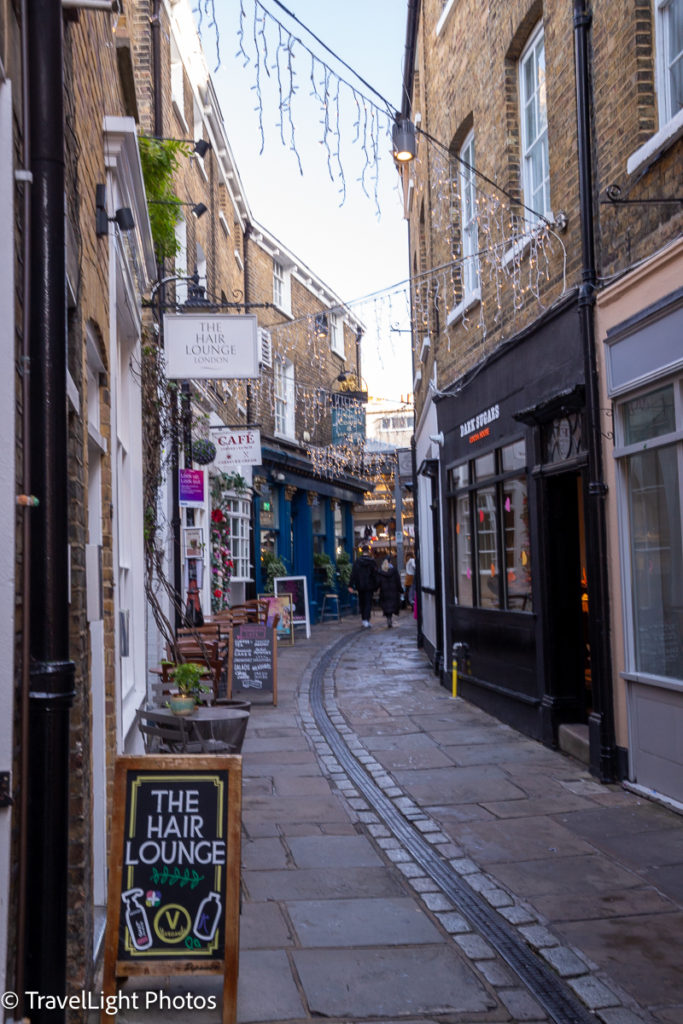
Above center: I love wandering the narrow streets and, of course, photographing them.
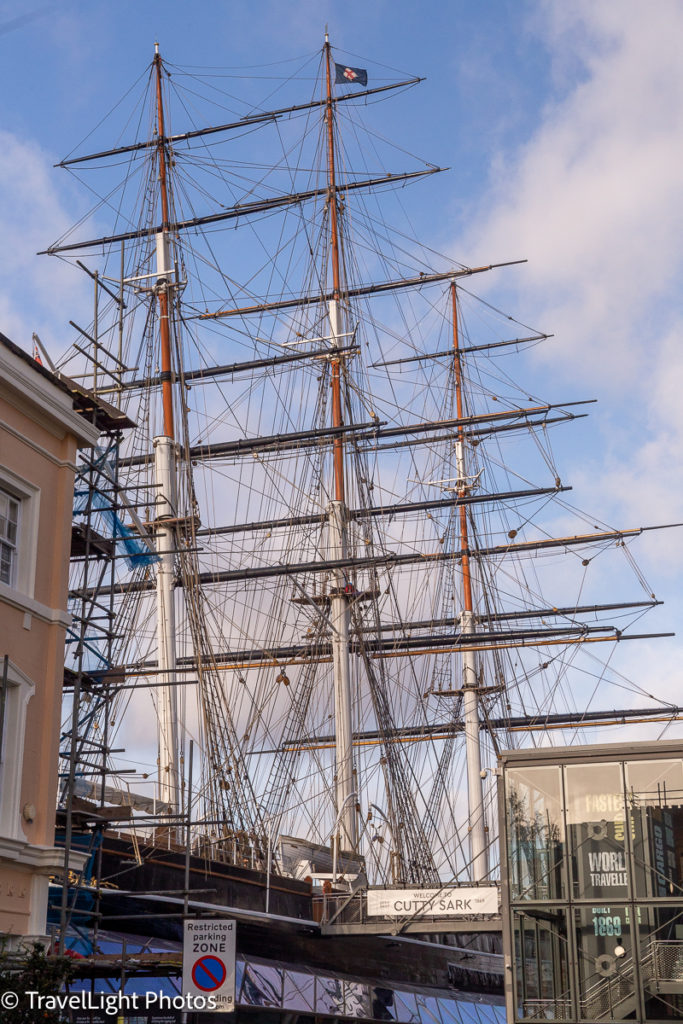
Above right: The masts of the Cutty Sark, a historic sailing ship built in Scotland in 1869. She was one of the fastest ships of her day and was built for the China tea trade.
Speed was important because the first ships returning to London with the new season’s tea could command higher prices. But the Suez Canal opened the same week the Cutty Sark was launched, giving steamships a much shorter route to China. Sailing ships could not use the canal effectively because of difficult wind conditions and expensive tolls. After only eight voyages carrying tea, the Cutty Sark was forced out of the trade for which she had been built.
After several years carrying a variety of cargoes, the Cutty Sark entered the Australian wool trade in 1883. This became the most successful period of her working life, and she became one of the fastest ships carrying wool from Australia to England. Captain Richard Woodget, who commanded the ship from 1885 to 1895, was also a photographer and left behind photographs of life aboard the ship and the places she encountered on her voyages.
In 1895, the Cutty Sark was sold to a Portuguese firm and renamed Ferreira. She continued as a cargo ship until 1922, when retired sea captain Wilfred Dowman recognized her in Falmouth and purchased her. He restored her, returned her to her original name, and used her as both a visitor attraction and a cadet training ship. In 1938, she joined the Thames Nautical Training College and continued to be used for training.
In 1954, the Cutty Sark was moved to a specially built dry dock in Greenwich, where an extensive restoration began. Queen Elizabeth II opened the ship to the public in 1957.
During another major conservation project, a fire broke out aboard the Cutty Sark in 2007. Fortunately, much of the ship’s original material had already been removed for conservation, limiting the damage to the historic fabric. Following an extensive restoration, Queen Elizabeth II reopened the Cutty Sark to the public in 2012.
Greenwich
Greenwich
Greenwich
Greenwich
Greenwich
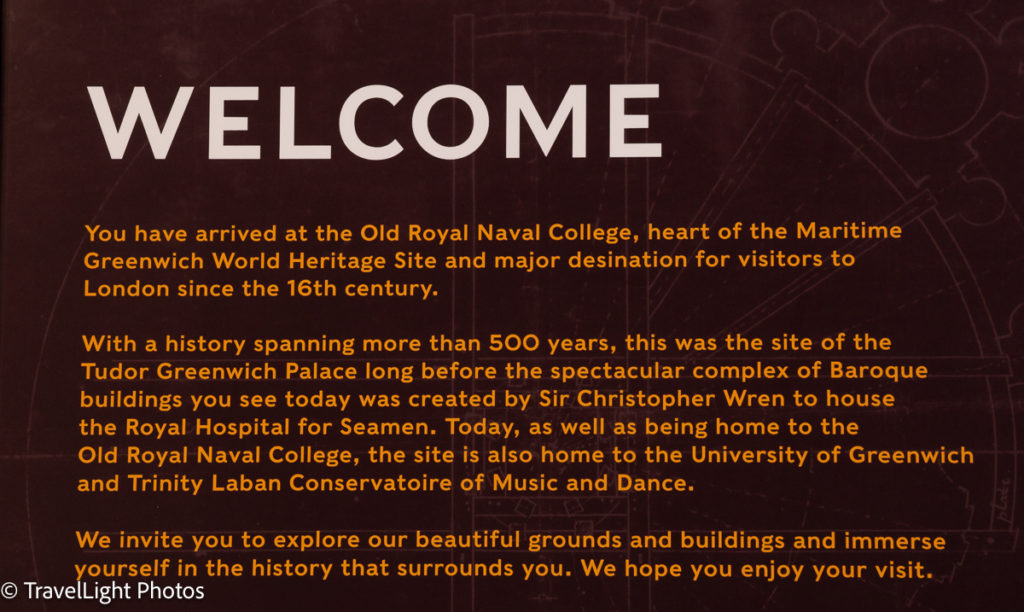
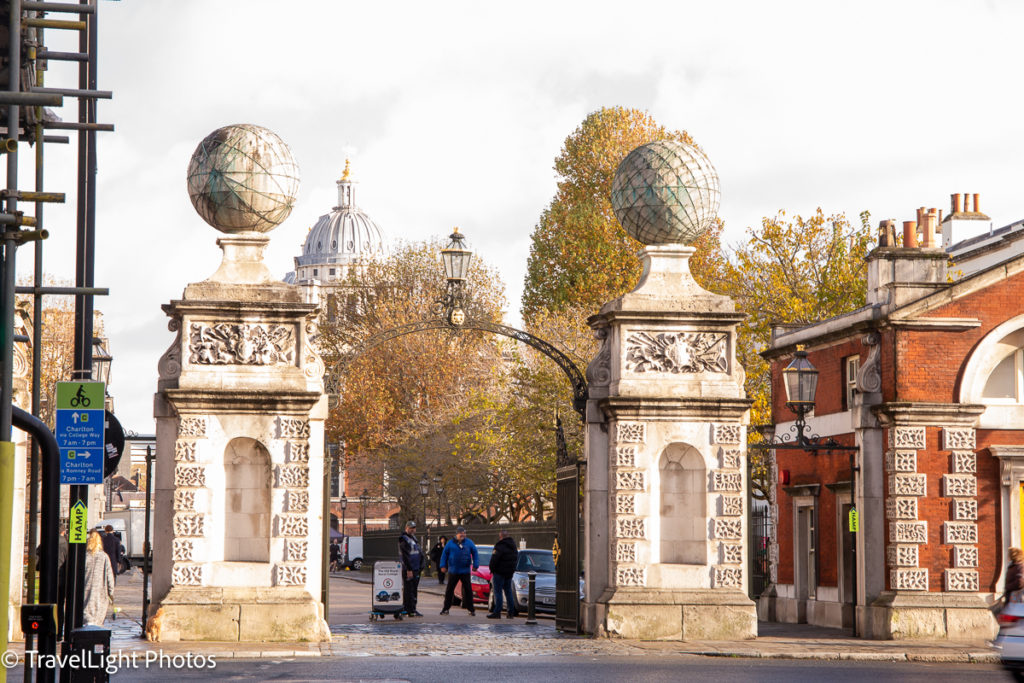
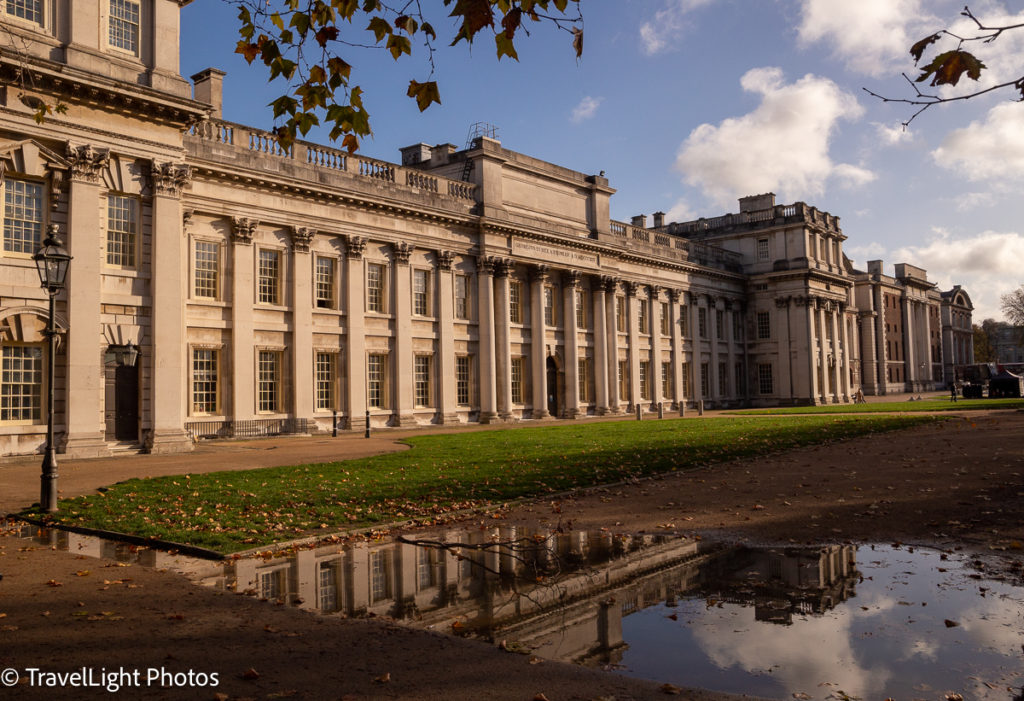
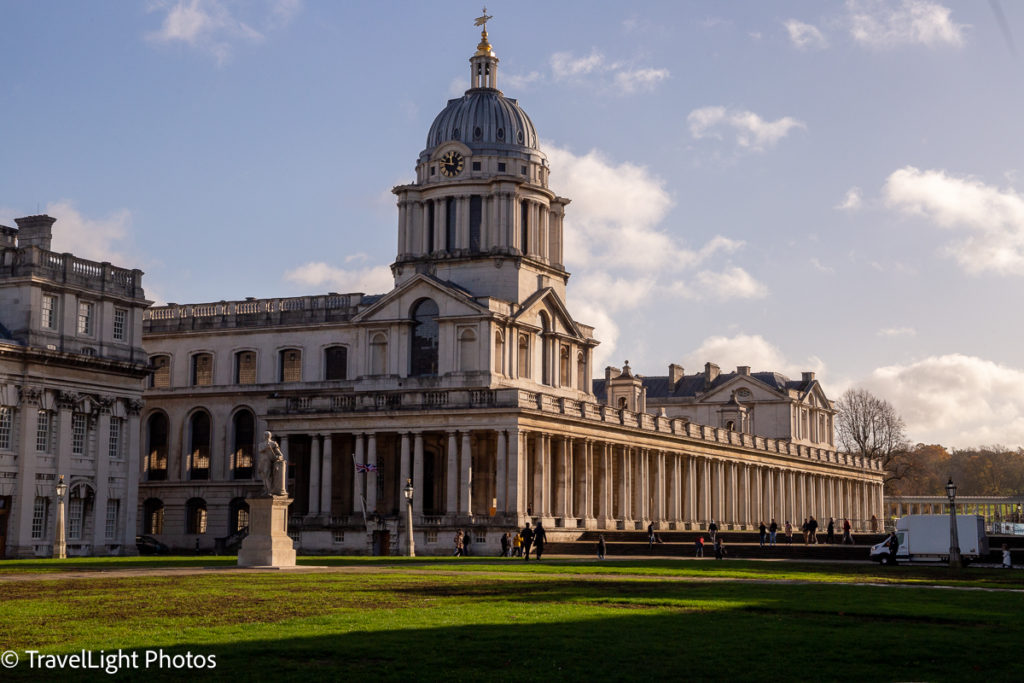
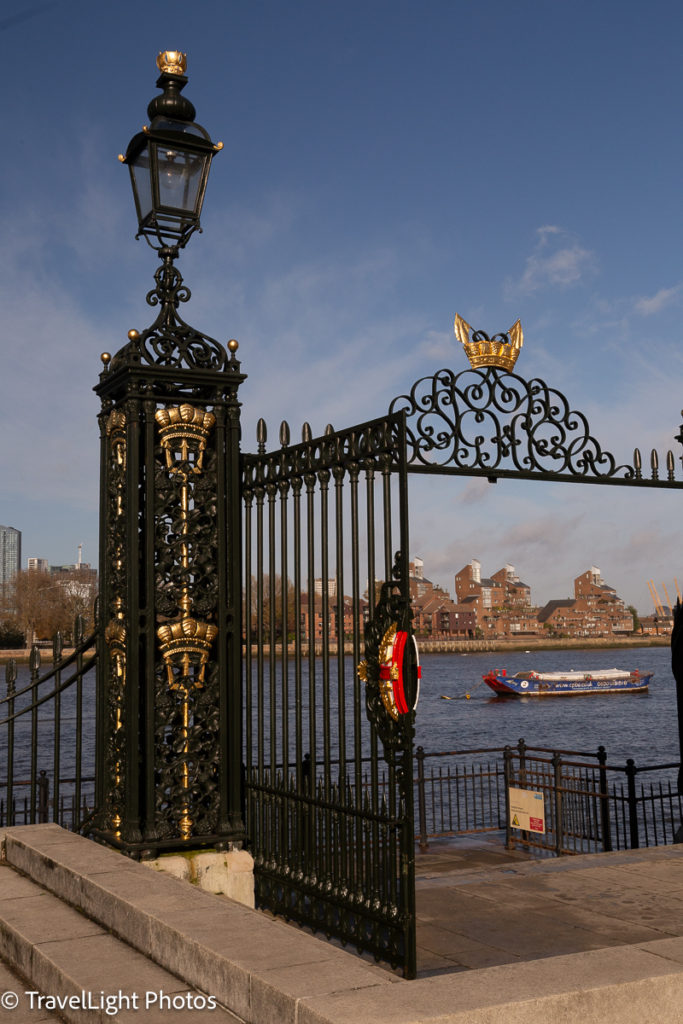
Images above are from around the Naval College.
This was once the site of the Palace of Placentia, also known as Greenwich Palace. It was a royal residence and the birthplace of both Henry VIII and Elizabeth I. The palace was originally built in the 15th century and was later expanded. The Queen’s House, built nearby in the 17th century, still stands today. After falling into disrepair during the Civil War, the old palace was demolished beginning in 1660.
Greenwich
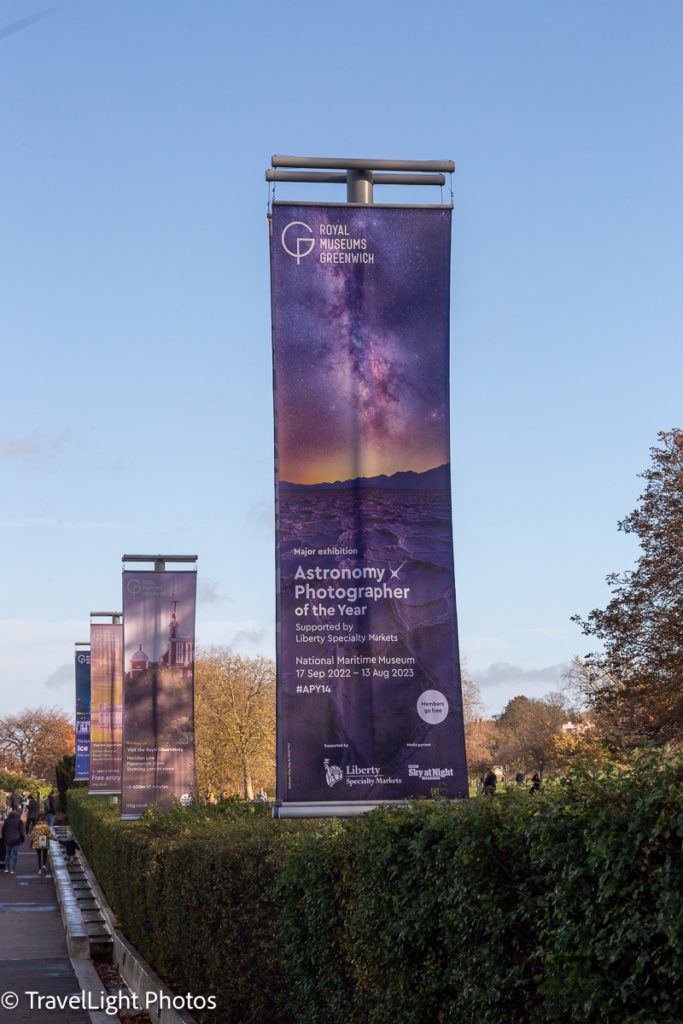
The National Maritime Museum in Greenwich hosts the annual Astronomy Photographer of the Year competition and exhibition. Astronomy photography is an interest of Hugh’s, so he visited the exhibition and was amazed by the advances in the field since his last visit before Covid.