Auschwitz, Birkenau, Gleiwitz

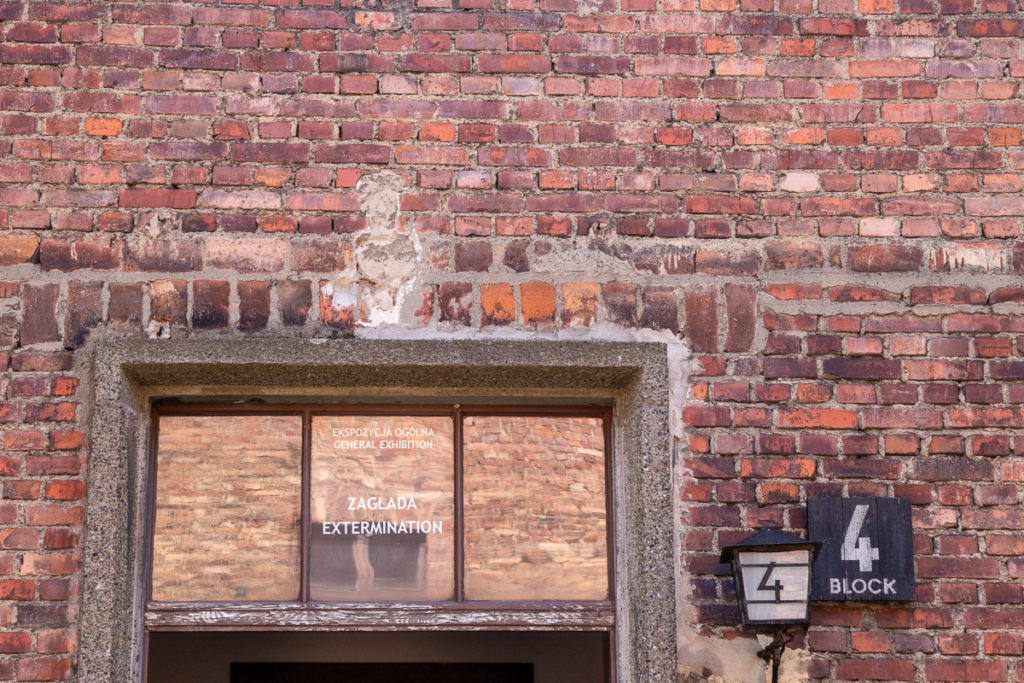
So much has been written and said about Auschwitz that there is little I can add. I found it difficult, especially in the buildings. The closeness of the walls made me dizzy. Our guide talked to us through headsets as we walked. At one point, I had to take the headset off; it was just too overwhelming.

In one building, one of the men on the tour recognized a photo of an aunt who had died in the camp.

What struck me was the hope of the people who arrived there. They brought their cooking pots and pans, really thinking they were starting a new life. I cannot imagine what they must have gone through when they realized what was actually happening.

The Nazis were surreal… the hair shaved from the prisoners was actually woven into cloth.

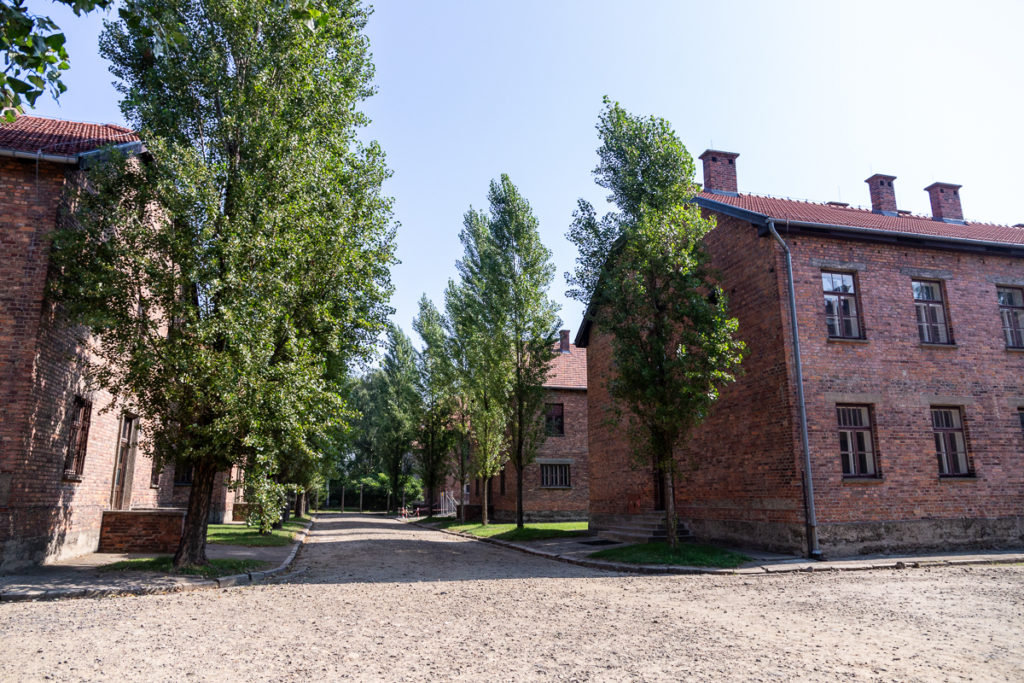
One thing that struck me wherever we went on the trip was how sanitized everything felt. Auschwitz was no different. Maybe the places fell into disrepair under communism and are now being restored. I could not tell. But even Auschwitz, with trees that appeared to have been planted in the last couple of decades, felt “dressed up,” with the pain and despair “papered over.”
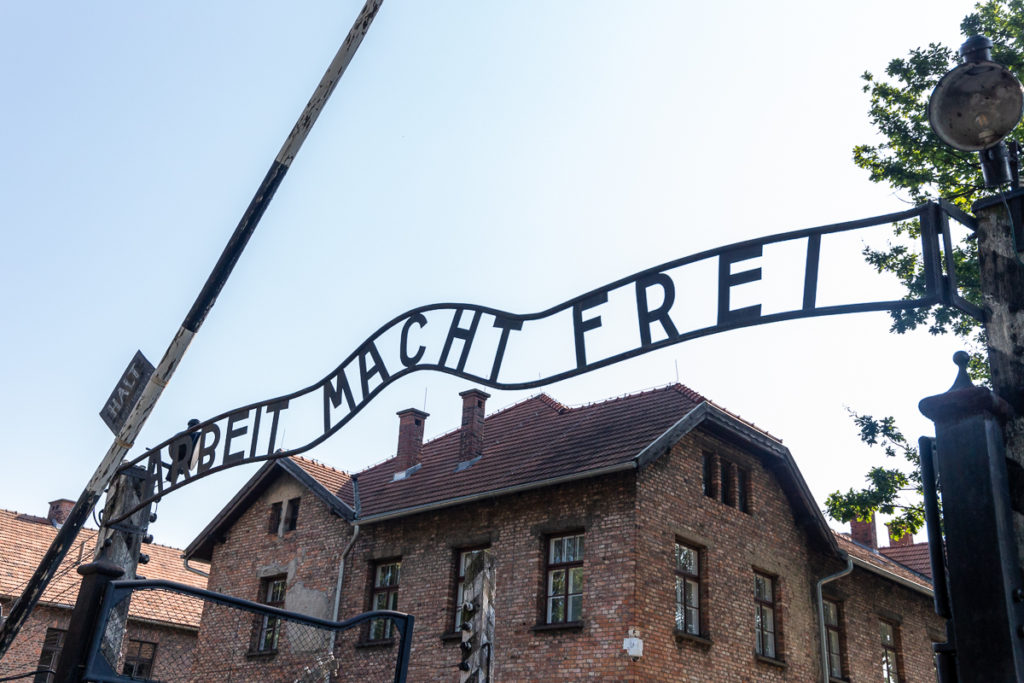
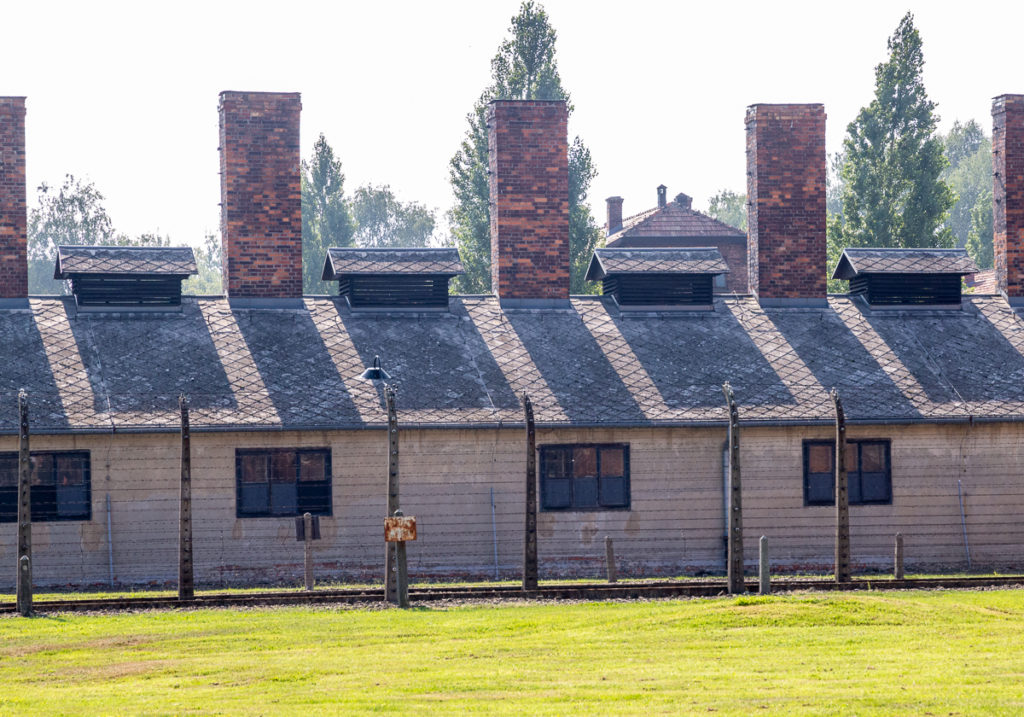
So much has been written and said about Auschwitz that there is little I can add. I found it difficult, especially in the buildings. The closeness of the walls made me dizzy. Our guide talked to us through headsets as we walked. At one point, I had to take the headset off; it was just too overwhelming.

In one building, one of the men on the tour recognized a photo of an aunt who had died in the camp.

What struck me was the hope of the people who arrived there. They brought their cooking pots and pans, really thinking they were starting a new life. I cannot imagine what they must have gone through when they realized what was actually happening.

The Nazis were surreal… the hair shaved from the prisoners was actually woven into cloth.

One thing that struck me wherever we went on the trip was how sanitized everything felt. Auschwitz was no different. Maybe the places fell into disrepair under communism and are now being restored. I could not tell. But even Auschwitz, with trees that appeared to have been planted in the last couple of decades, felt “dressed up,” with the pain and despair “papered over.”
2019 Poland
Auschwitz
2019 Poland
Auschwitz
2019 Poland
Auschwitz
2019 Poland
Auschwitz

Birkenau is less than two miles from Auschwitz I. Auschwitz was a complex of more than 40 camps, and Birkenau is referred to as Auschwitz II. It was the largest of the camps within the Auschwitz complex.

To construct the camp, the Nazis evicted people from their homes in what had been the village of Brzezinka. The camp opened in March 1942 to ease congestion at Auschwitz I and was intended to hold 125,000 prisoners. Four crematoria were built, each with a gas chamber, a disrobing area, and crematory ovens. Gassings were carried out using Zyklon B gas.

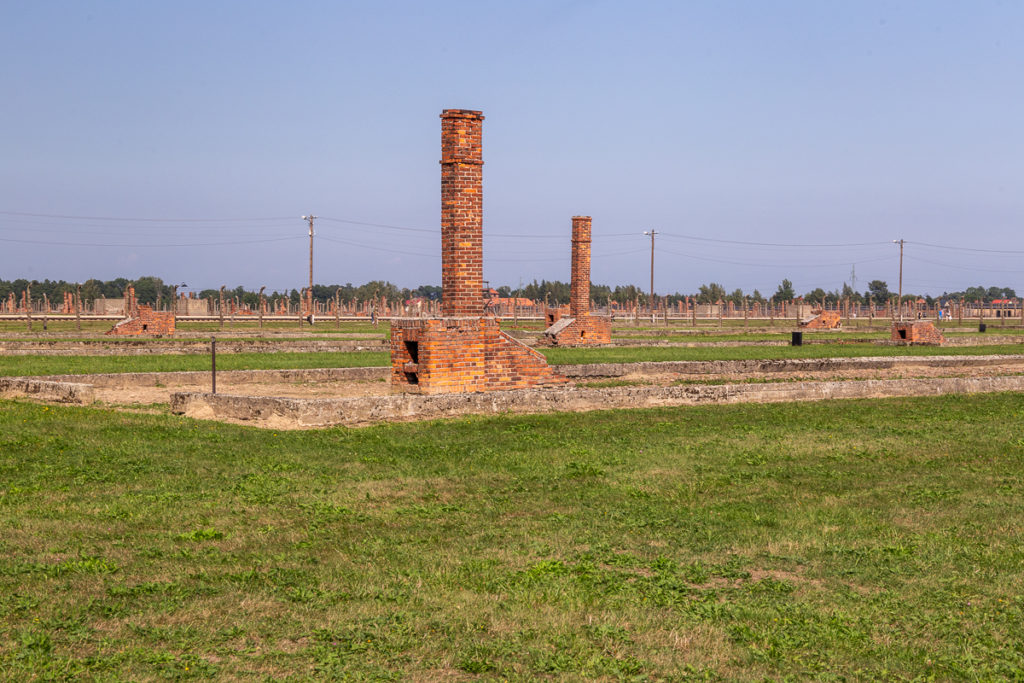
The Nazis began dismantling the crematoria in 1944 and destroyed the remaining facilities as Soviet forces approached in January 1945. Their ruins can still be seen today.

The immensity of Birkenau, covering more than 345 acres, was difficult to capture in a photo. Few buildings remain where more than 300 once stood. The remaining chimneys mark where buildings once stood.


2019 Poland
Birkenenau
Poland 2019
Birkenenau
Poland 2019
Birkenenau


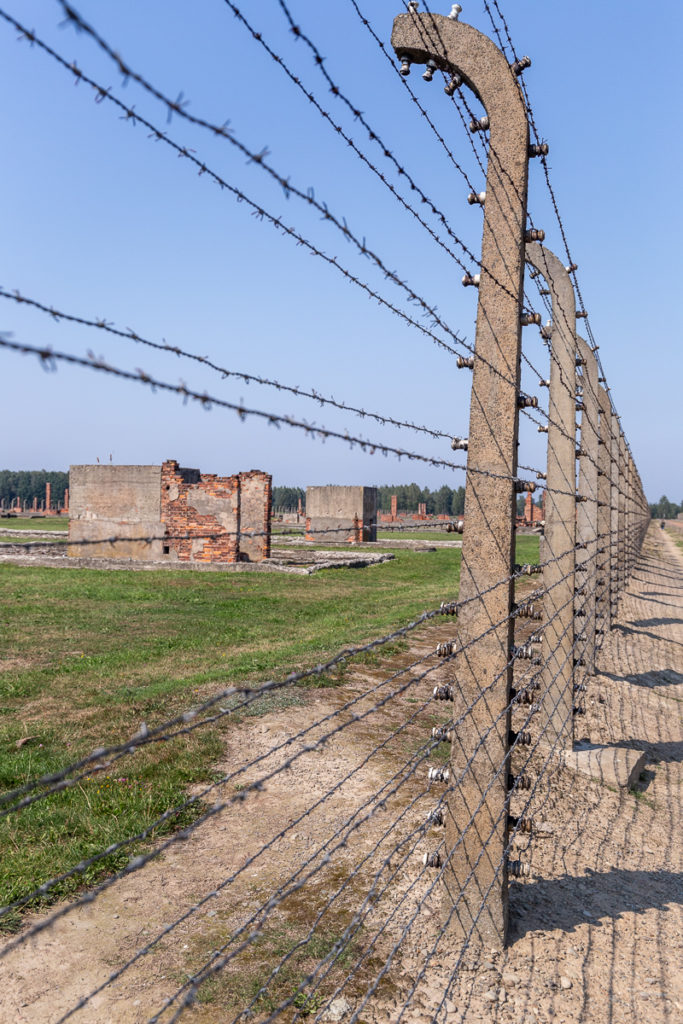
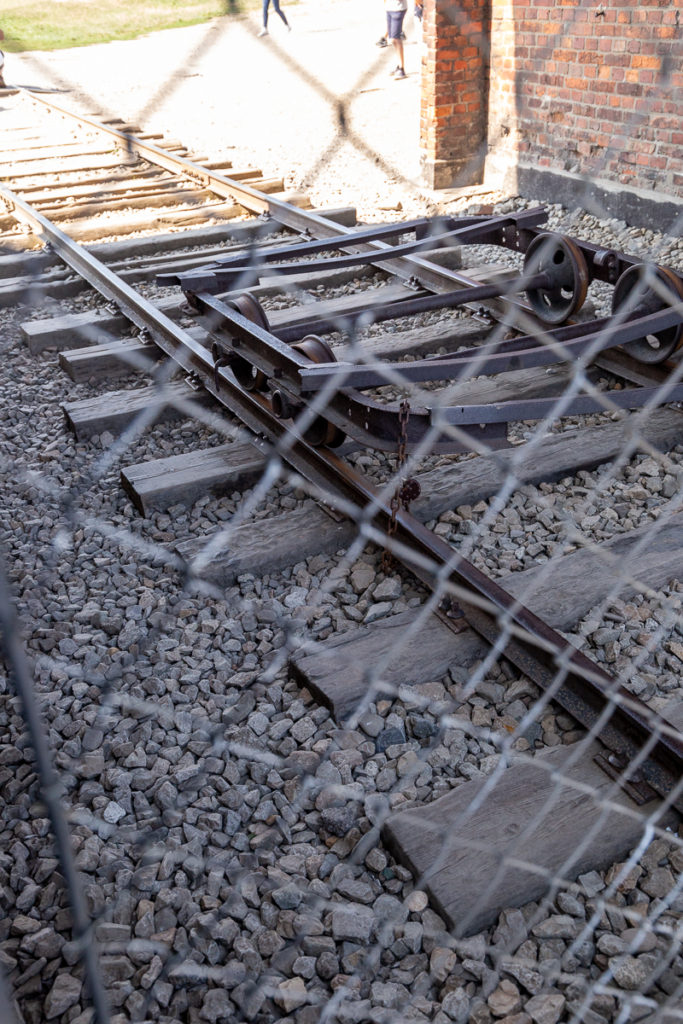
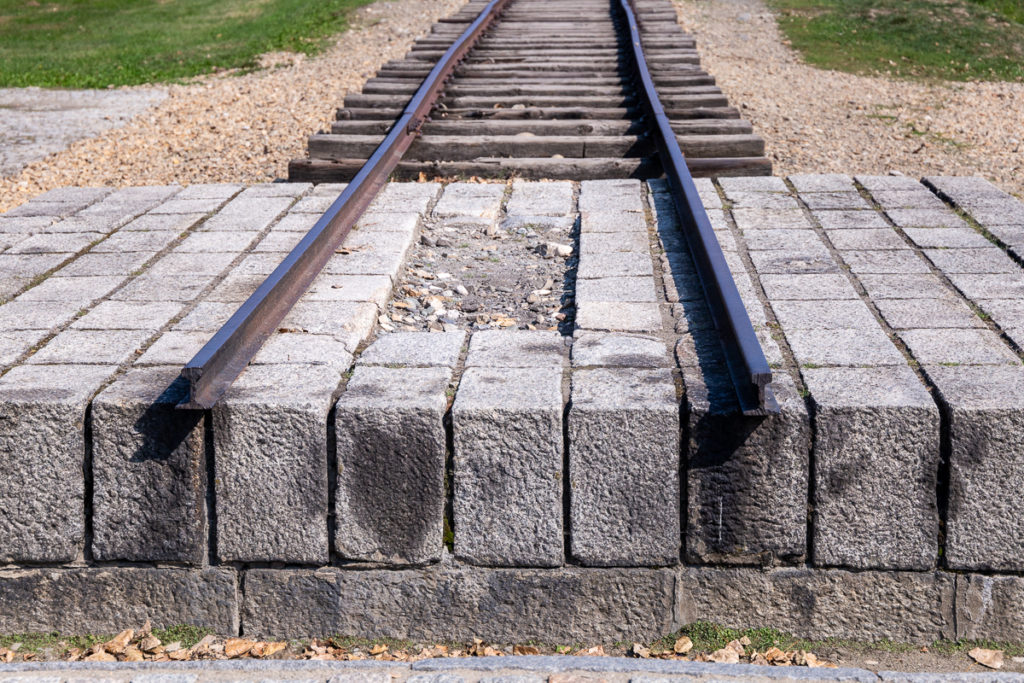
Ever-present in the camps are railroad tracks and fences… they seem to symbolize the camps’ history.
2019 Poland
Birkenenau

The end of the line – in so many ways.
2019 Poland
Birkenenau

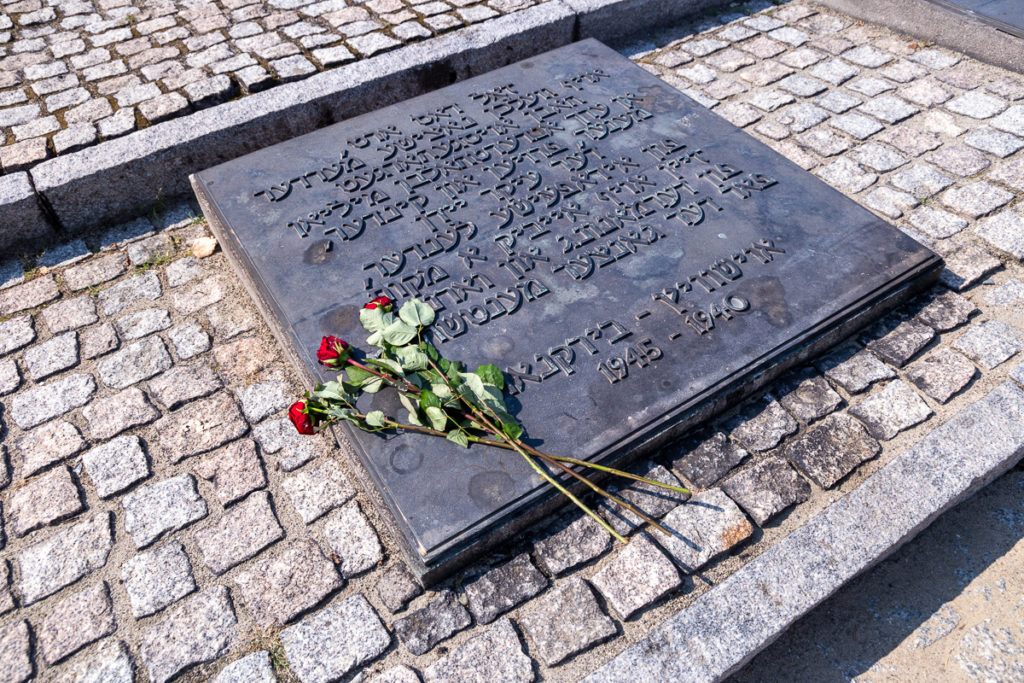
Birkenenau Memorial

2019 Poland
Birkenenau

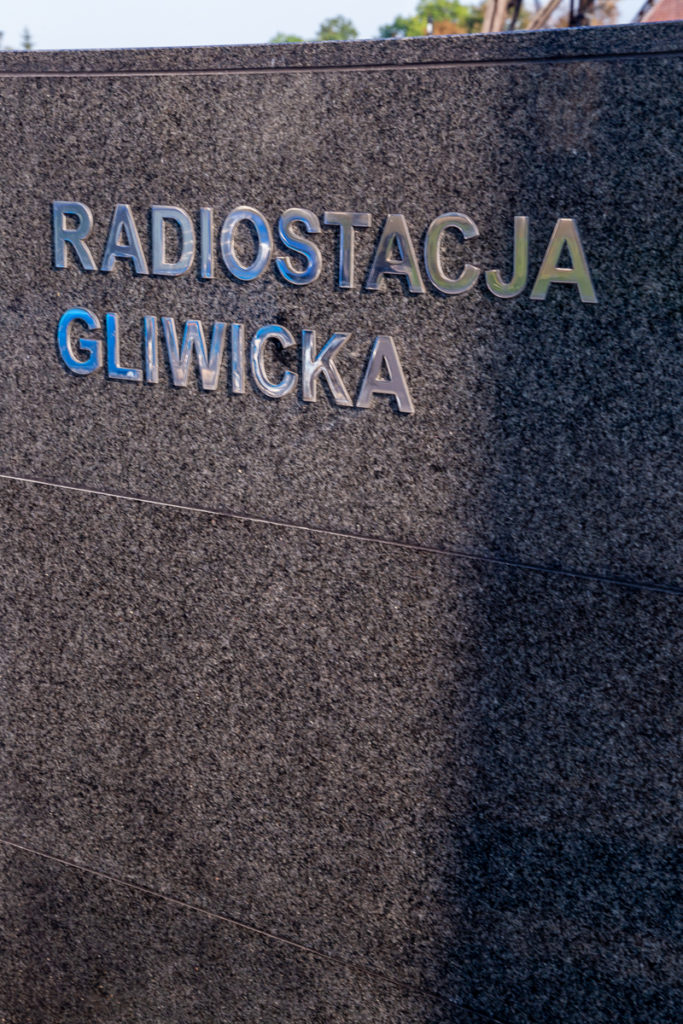
Gleiwitz

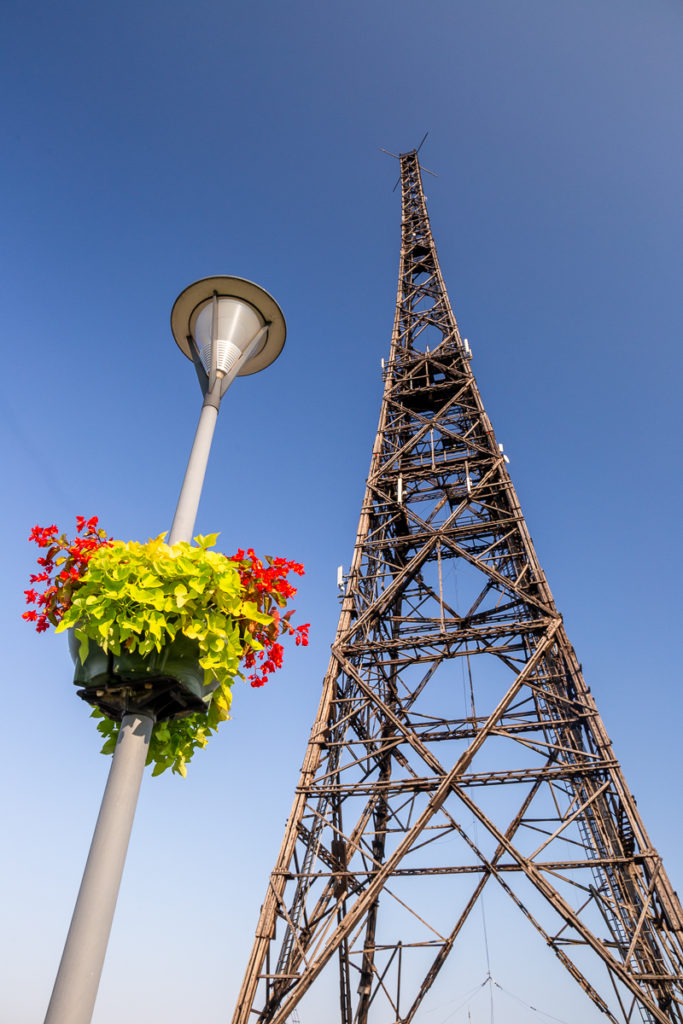
The history surrounding this tower was hard for me to grasp. My initial takeaway was—prisoners, “grandmother died,” “canned goods,” Nazis faked something as an excuse for invasion, VERY important place. It might have been my guide’s English or my tiredness from the day, but I couldn’t put it together. So thankfully, the internet explained.

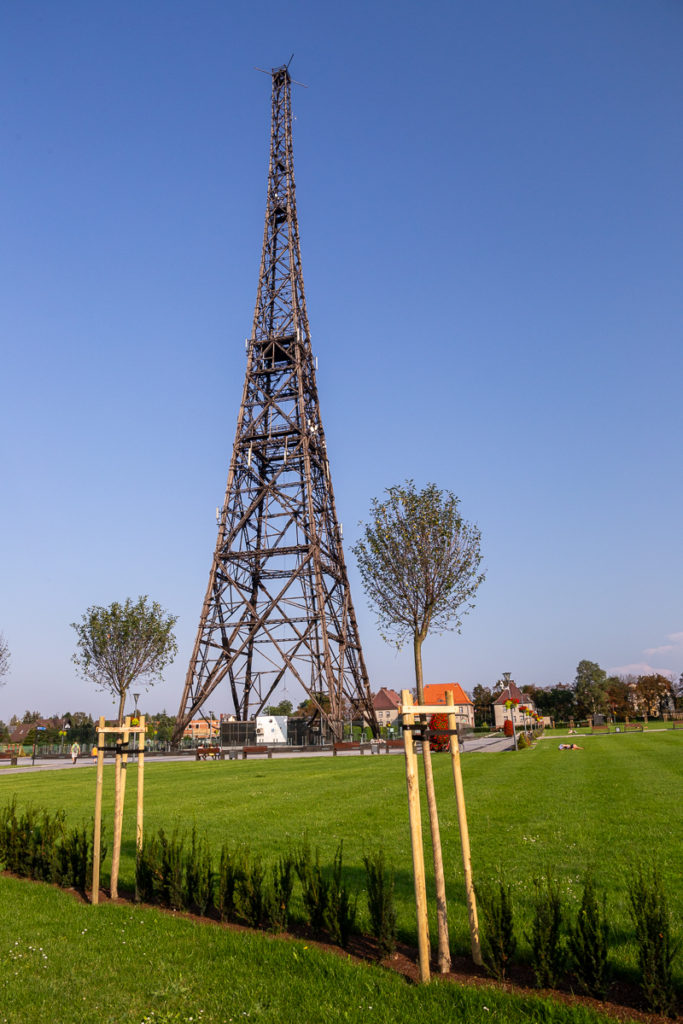
In 1939, this town was in Germany, and on the night of August 31, the Nazis staged a covert operation to give the appearance that the radio station had been attacked by pro-Polish supporters. After “seizing” the radio tower, these “activists” broadcast anti-German messages in Polish. This was what the Nazis wanted the world to believe.

But what came out at the Nuremberg trials was that the attack had been staged by the Nazis in an operation called “Grandmother Died.” Using several prisoners from Dachau who had been dressed in Polish uniforms, these prisoners (“canned goods”) attacked the radio station under orders. The Nazis shot the prisoners dead and disfigured their faces so identification was impossible. The Nazis furthered the narrative that they had been attacked by pro-Polish activists through the murder of Franciszek Honiok, a German farmer known for having pro-Polish sympathies.

With this event and similar incidents, the Nazis created the story that the Poles were attacking German towns. This provided a pretext for the invasion of Poland on September 1, 1939.

What I realized after reading all of this on the internet was the missing piece. The radio station had not been in Poland in 1939 but in Germany. That made the whole story come together. Somehow, that had been lost in translation, as they say.

We visited this site on August 31, exactly 80 years after the incident. There were flowers at the site marking the anniversary.
The history surrounding this tower was hard for me to grasp. My initial takeaway was—prisoners, “grandmother died,” “canned goods,” Nazis faked something as an excuse for invasion, VERY important place. It might have been my guide’s English or my tiredness from the day, but I couldn’t put it together. So thankfully, the internet explained.

In 1939, this town was in Germany, and on the night of August 31, the Nazis staged a covert operation to give the appearance that the radio station had been attacked by pro-Polish supporters. After “seizing” the radio tower, these “activists” broadcast anti-German messages in Polish. This was what the Nazis wanted the world to believe.

But what came out at the Nuremberg trials was that the attack had been staged by the Nazis in an operation called “Grandmother Died.” Using several prisoners from Dachau who had been dressed in Polish uniforms, these prisoners (“canned goods”) attacked the radio station under orders. The Nazis shot the prisoners dead and disfigured their faces so identification was impossible. The Nazis furthered the narrative that they had been attacked by pro-Polish activists through the murder of Franciszek Honiok, a German farmer known for having pro-Polish sympathies.

With this event and similar incidents, the Nazis created the story that the Poles were attacking German towns. This provided a pretext for the invasion of Poland on September 1, 1939.

What I realized after reading all of this on the internet was the missing piece. The radio station had not been in Poland in 1939 but in Germany. That made the whole story come together. Somehow, that had been lost in translation, as they say.

We visited this site on August 31, exactly 80 years after the incident. There were flowers at the site marking the anniversary.
2019 Poland
Gleiwitz -Gleiwitz Radio Tower
2019 Poland
Glewitz - Gleiwitz Radio Tower
2019 Poland
Glelwitz - Gleiwitz Radio Tower