
Heroes' Square, Wawel Hill, Royal Road, Wieliczka Salt Mine
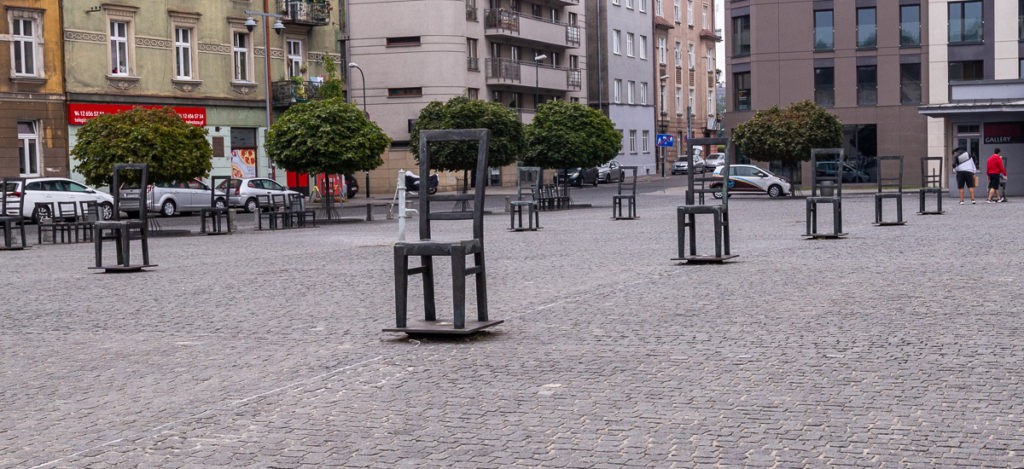
This monument to the Heroes of the Ghetto is composed of 33 empty iron and bronze chairs. It sits in a square that was once part of the ghetto. Before 1941, about 3,000 Jewish people lived in the area. In March 1941, the Germans moved another 17,000 Jewish residents of Krakow into the ghetto.
The main entrance to the square is at the location of the former main gate of the ghetto.
Each of the chairs represents 1,000 people who lost their lives in the ghetto.
The only non-Jewish resident of the ghetto was Tadeusz Pankiewicz, who ran a pharmacy and was known for helping its residents. The pharmacy still stands and is now a museum.
Heroes’ Square
Wawel Hill
Wawel was a center of power as early as the ninth century. Mieszko I of Poland (c. 965–992), of the Piast dynasty, and his successors, Bolesław I the Brave (992–1025) and Mieszko II (1025–1034), used Wawel as a royal residence. During this time, Wawel became a center of Christianity, and its early Romanesque buildings included a cathedral. The cathedral witnessed the coronations of Polish monarchs and also served as their mausoleum.
During the reign of Casimir the Restorer (1034–1058), Wawel became the administrative center of Poland. It remained the formal seat of the Polish monarchy until the early seventeenth century. As the history of the Polish state changed numerous times from 1611 into the twentieth century, so did the use of Wawel.
Poland ceased to exist as an independent country for more than 100 years, until after World War I. Wawel served as a presidential residence until the German invasion in September 1939. Krakow surrendered on September 6, five days after the invasion began. Germany then designated Krakow as the seat of the General Government, a territory created by the Nazis. Krakow became a supply base for light industry and agriculture, making it valuable to the Third Reich and giving the Germans little desire to destroy it.
Governor-General Hans Frank used Wawel as his residence, and some of Krakow’s prewar development plans continued under the German occupation. The Nazis also declared Krakow an “Ancient German City,” another factor in its preservation.
Although Krakow was spared the destruction Warsaw experienced, Polish residents were subjected to harsh Nazi rule, including the persecution and extermination of Jews and Poles of Jewish heritage. Polish works of art were also stolen.
Other residents were prohibited from advancing their education beyond elementary school. No high school or university education was allowed. Even the elementary school curriculum was restricted to exclude history and geography, as the Germans attempted to erase Polish history.
After World War II, Wawel was restored as a museum, a place of worship, and a place to explain the complex history of Poland.
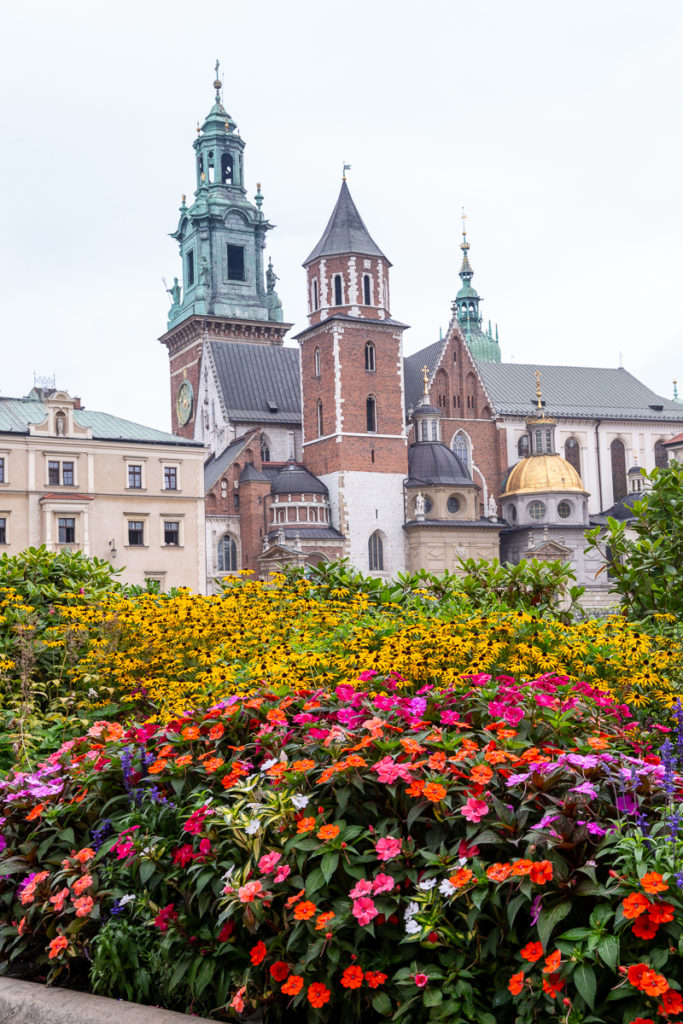


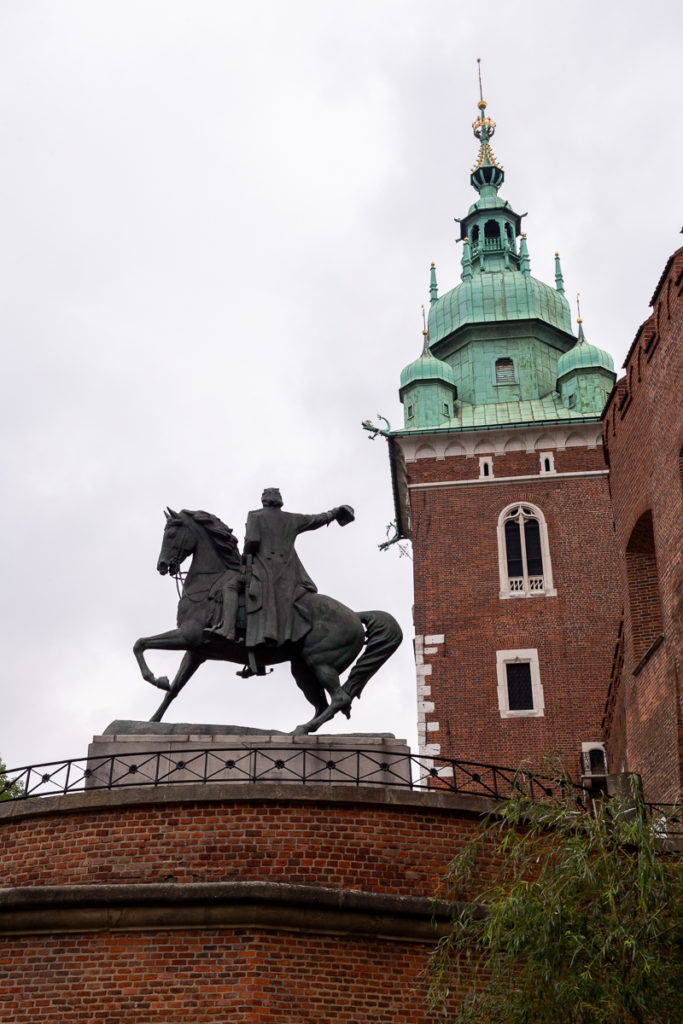
LEFT or ABOVE: Tadeusz Kościuszko Monument. Kościuszko is both a Polish and an American hero. He was born in the Polish-Lithuanian Commonwealth (in what is now Belarus) and fought on the American side during the American Revolution.
RIGHT or BELOW: Dedicated to the mythical Wawel Dragon, the statue is designed to breathe fire. It was modernized so that an SMS text message could trigger the dragon’s fiery breath. The service was so popular that it reportedly received at least 2,500 requests each day. I didn’t know this when we visited—or I would have done it!
In Poland, he is celebrated as the leader of the Kościuszko Uprising of 1794 against Russian and Prussian forces. This was a time when Poland had already undergone two partitions. The defeat of the uprising was followed by the Third Partition of Poland in 1795.
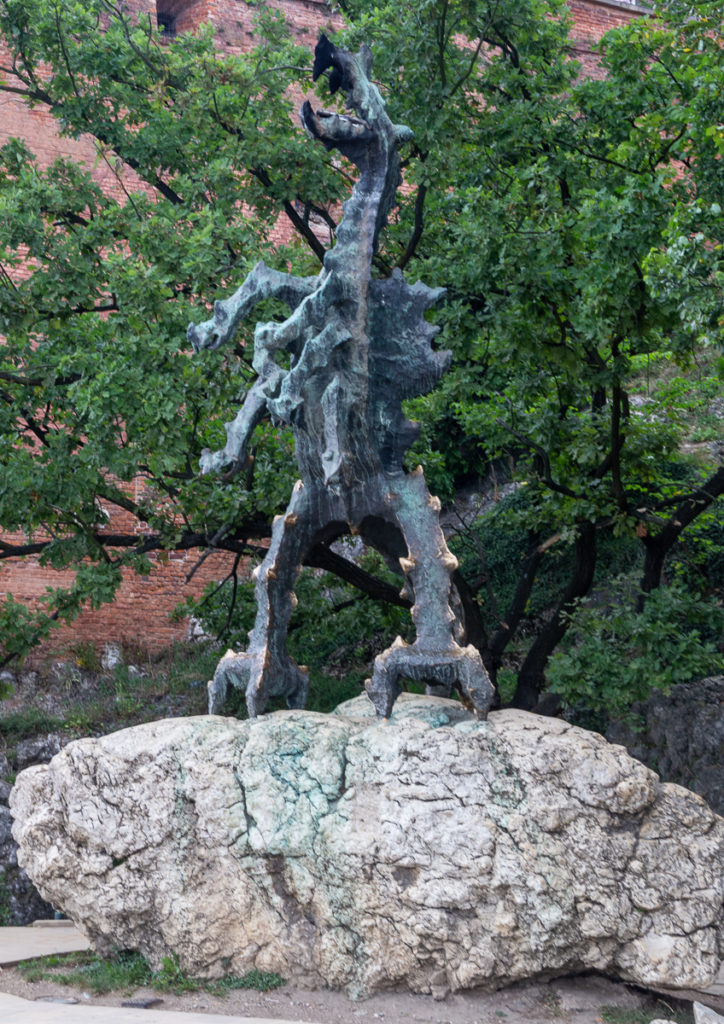
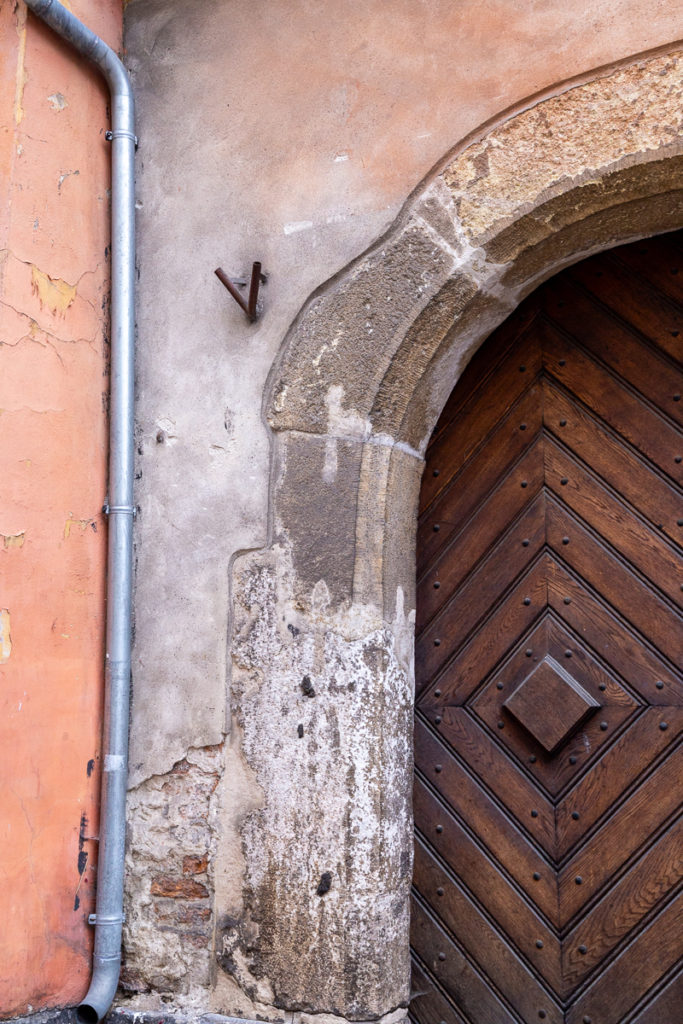
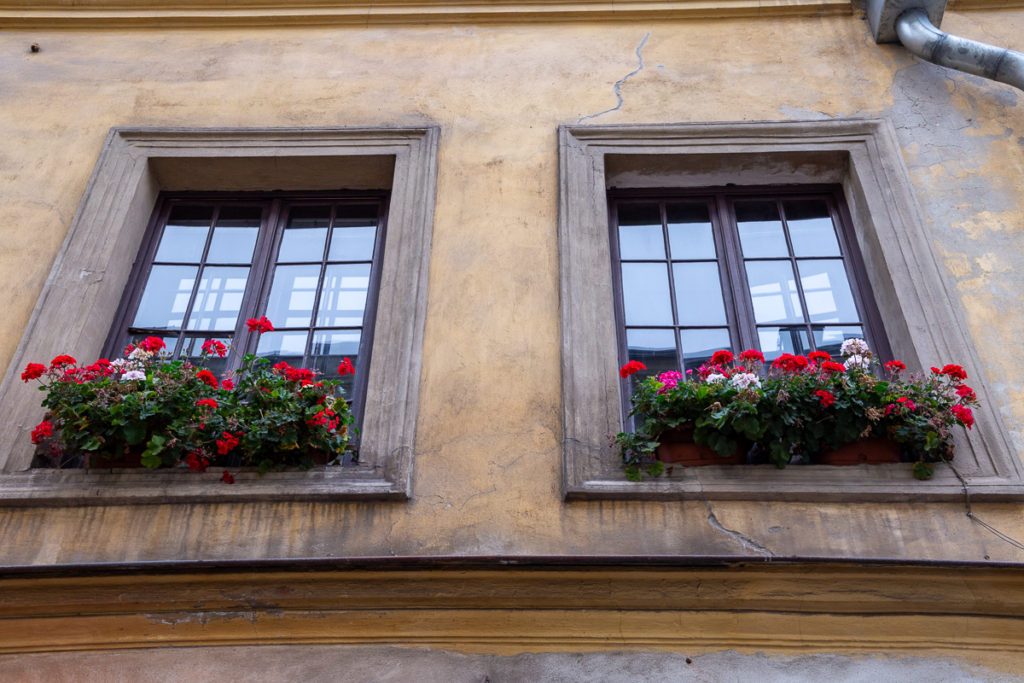
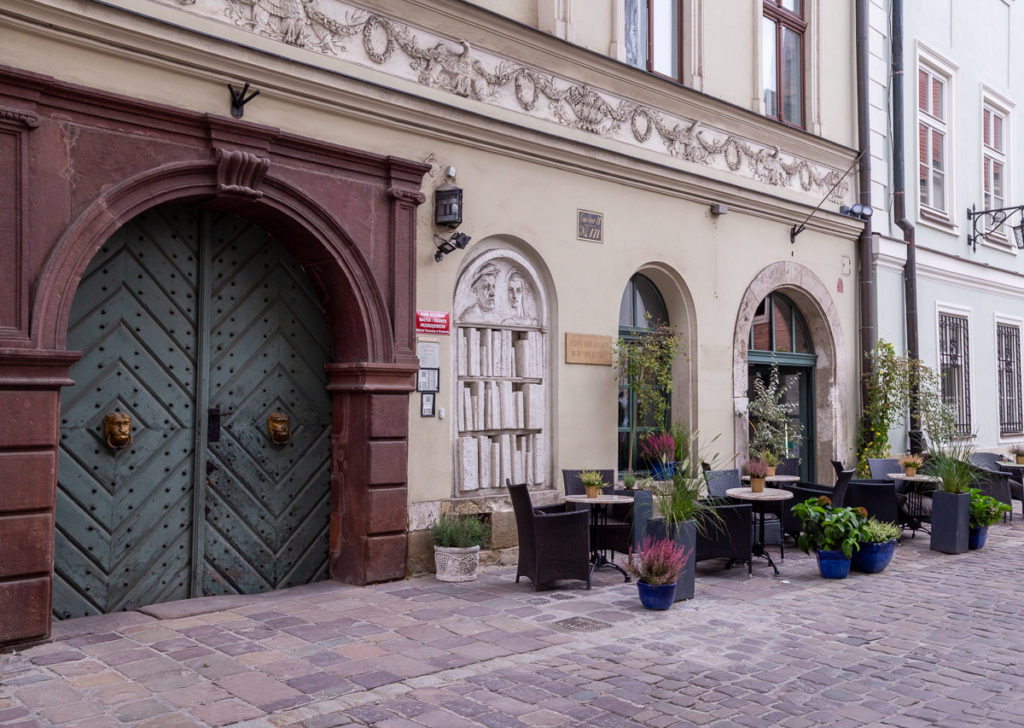
I love the dragon head… I tend to get lost in the details when photographing. I love architectural details, too.
FAR RIGHT OR BELOW: Pope John Paul II


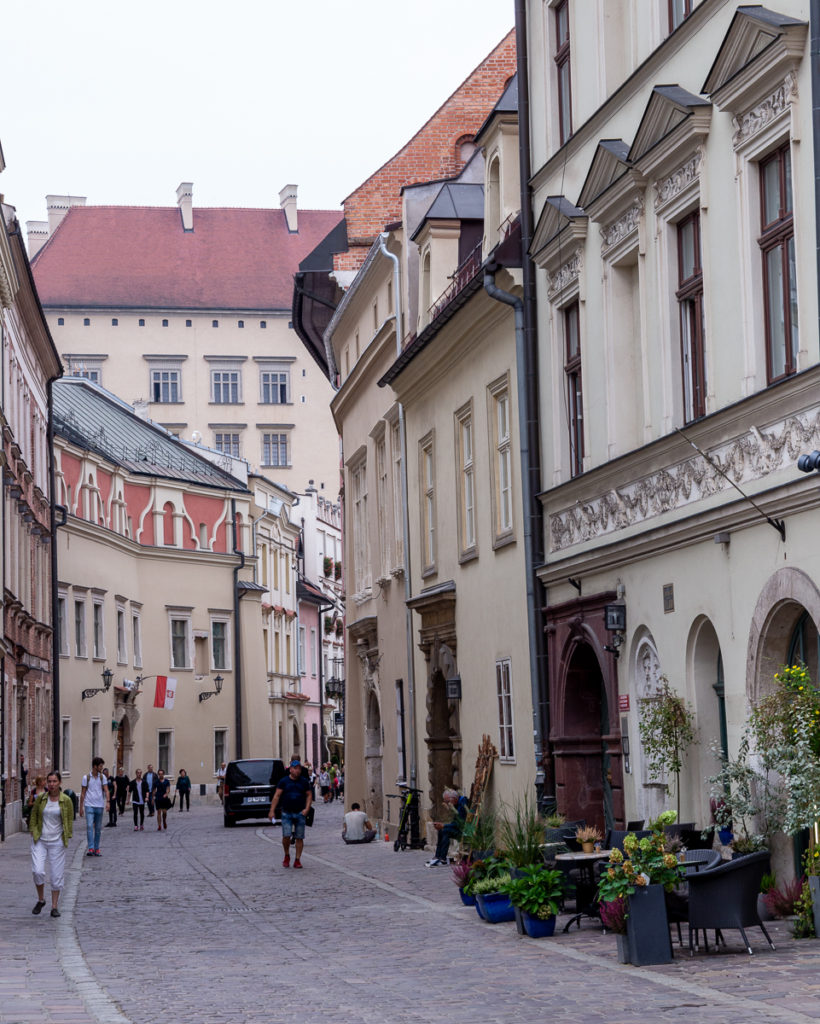
The Royal Road
The Royal Road extends through Krakow’s medieval Old Town to Wawel Hill and was traditionally the coronation route.
Along the Royal Road, lost in the details.

Along the Royal Road, lost in the details.

Lunch
I don’t remember what we had for lunch. What I do remember is some tour mates coming back from exploring the restaurant and telling Deb and me that we had to go downstairs and see the restaurant’s lower floor.
Well… we were in for a visual treat, and Deb and I snapped away. Sometime later, when we looked around, we realized that no one from our tour was anywhere to be found. They had all gone back to the bus for the ride to our afternoon adventure.
We were rescued by the tour guide after a few very long minutes. But we had great fun photographing the restaurant!

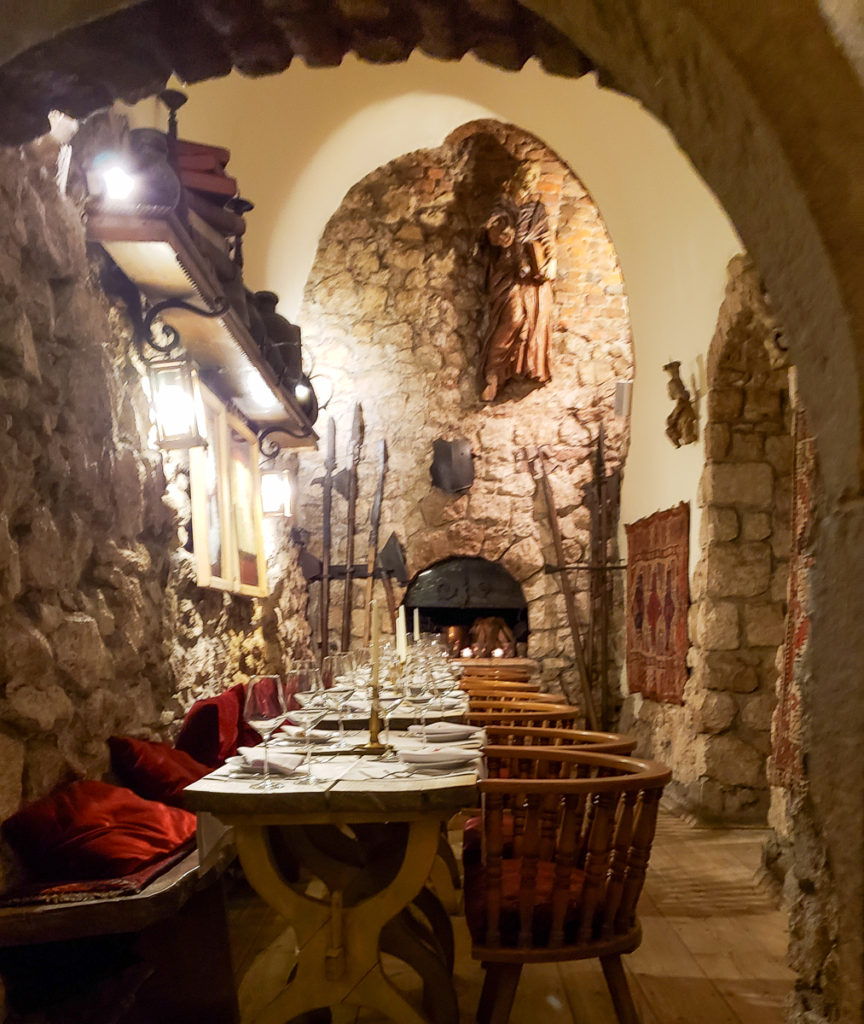
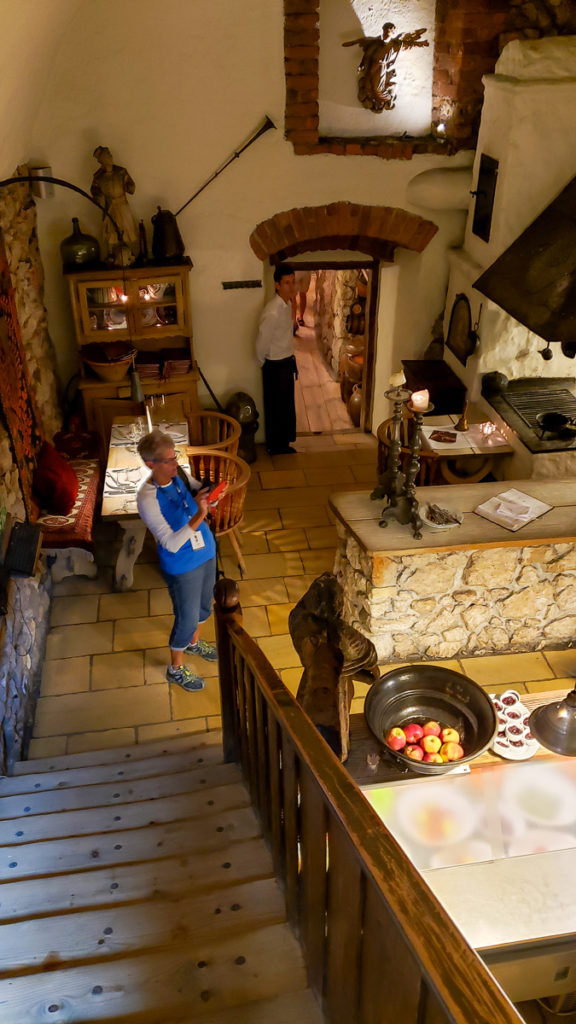

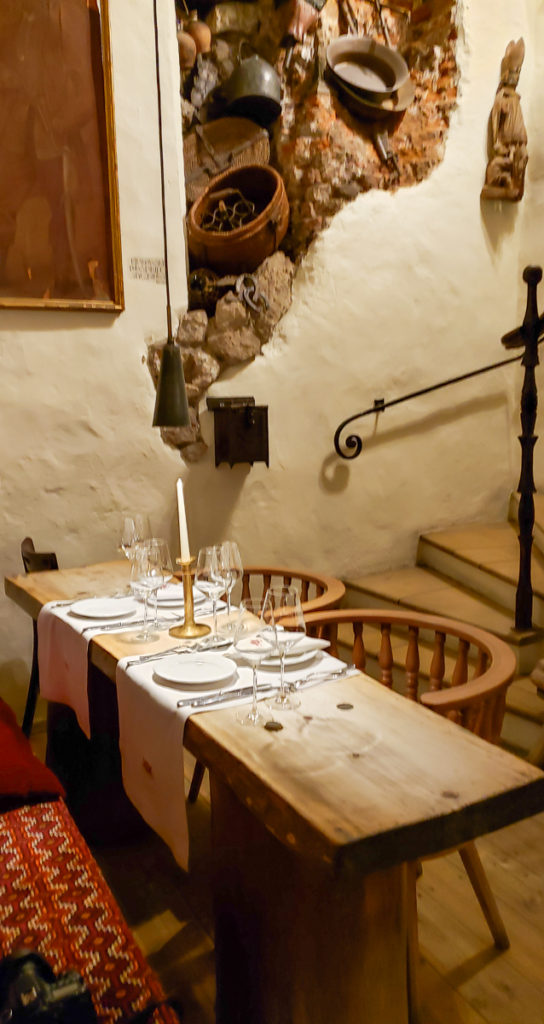
Off to the salt mines for the two of us…
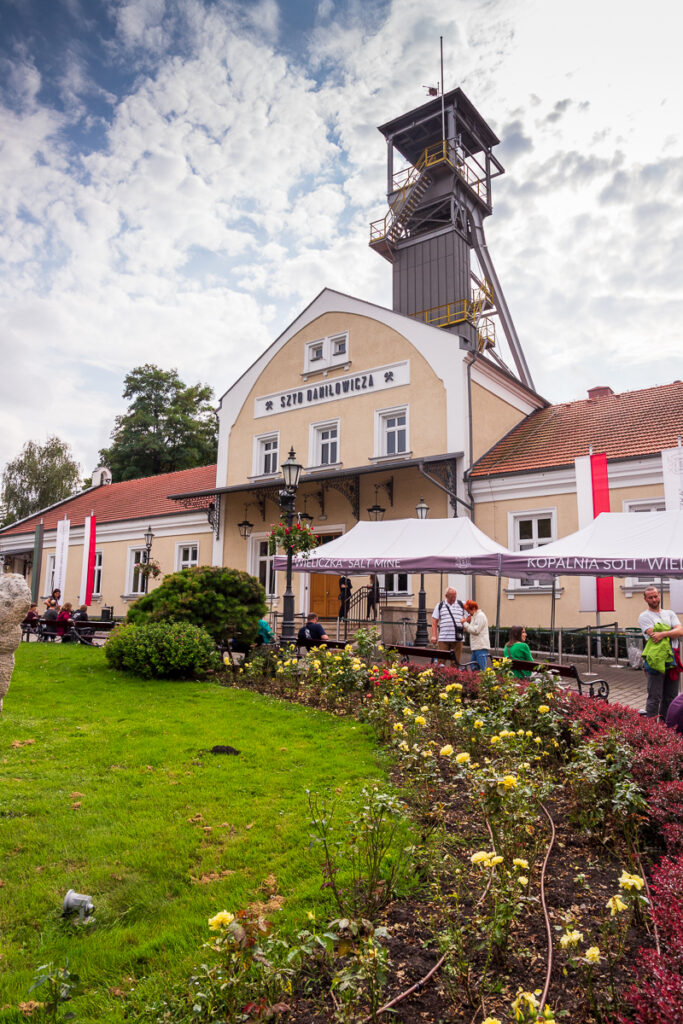
Wieliczka Salt Mines
This mine produced table salt continuously from the 13th century until 2007. The mine is 327 meters deep and has some 178 miles of horizontal passages. The salt mine is a UNESCO World Heritage Site.
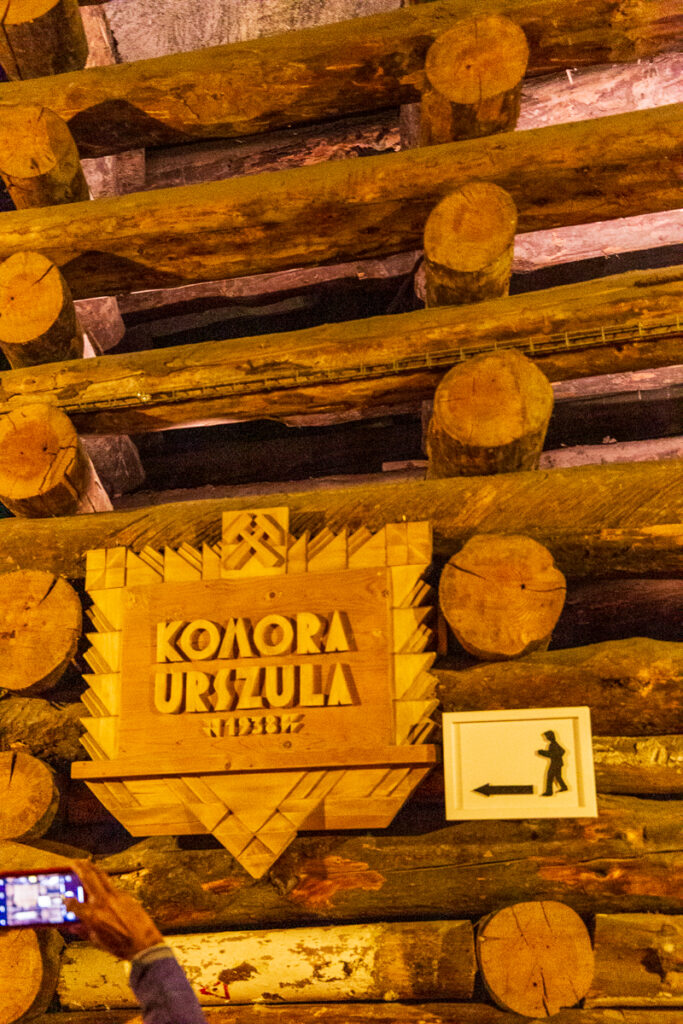
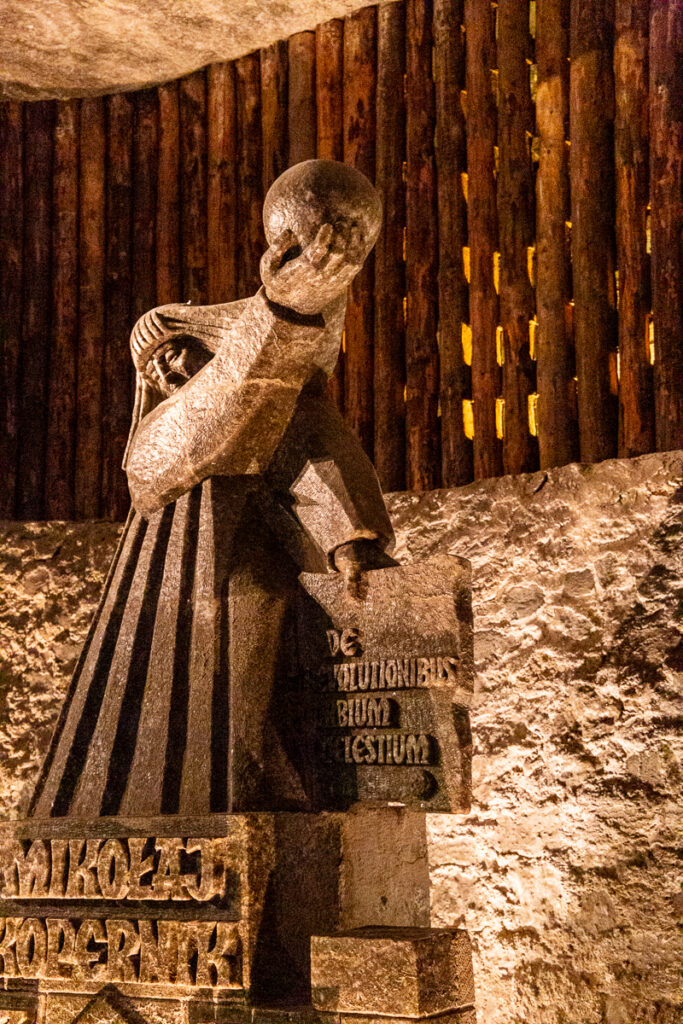
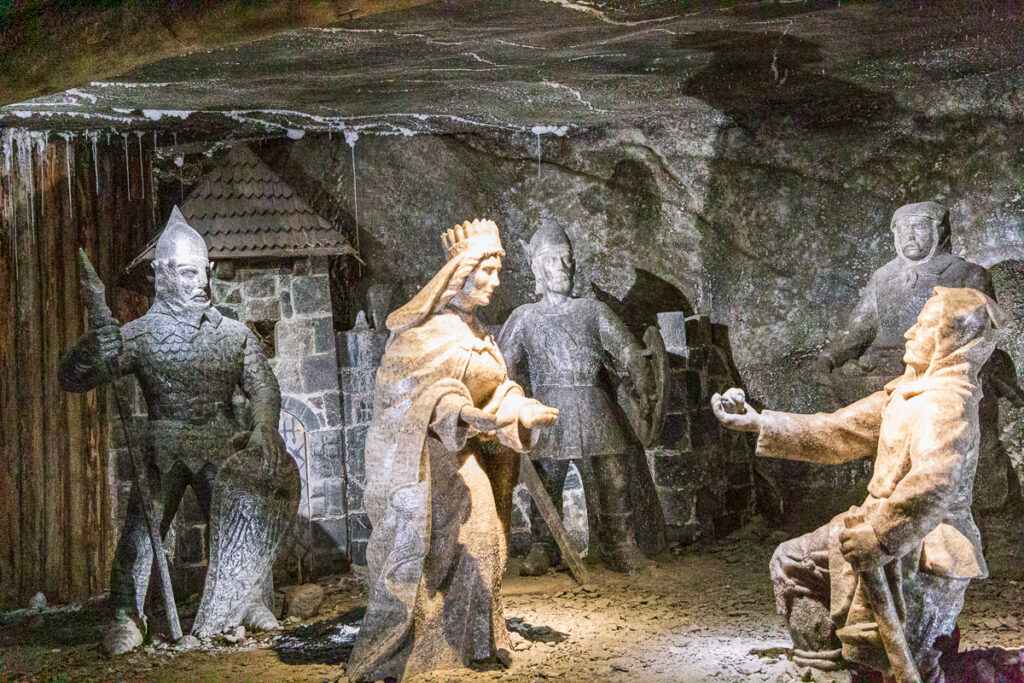
LEFT OR ABOVE: I believe this is a depiction of the legendary Princess Kinga. There is an interesting legend concerning her engagement ring. She is the patron saint of salt miners in and around Krakow.
RIGHT OR BELOW: St. Kinga’s Chapel
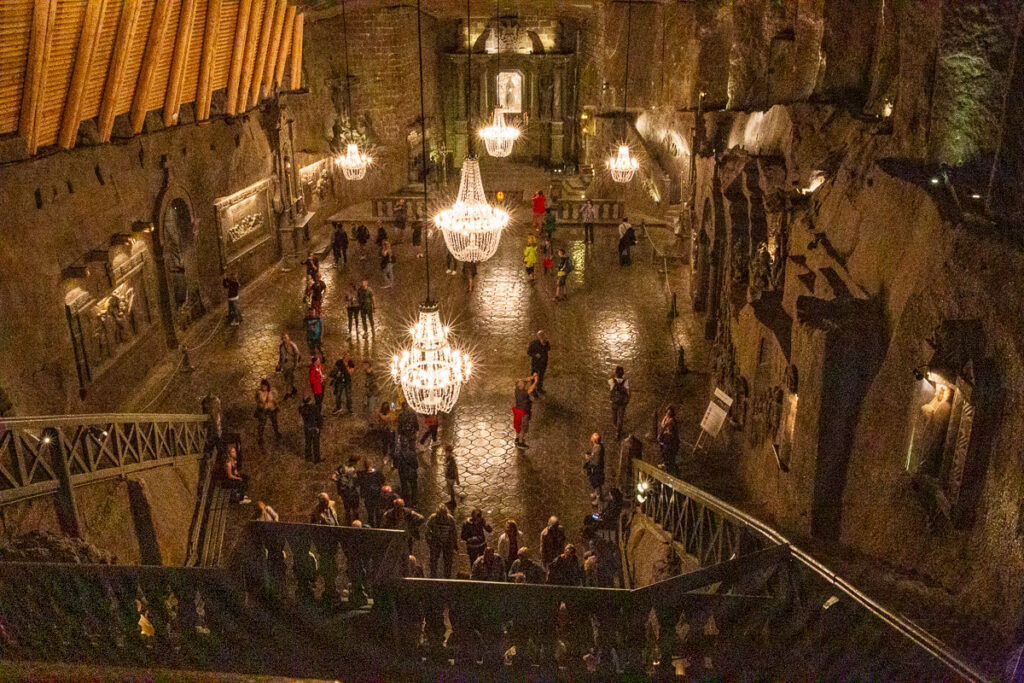


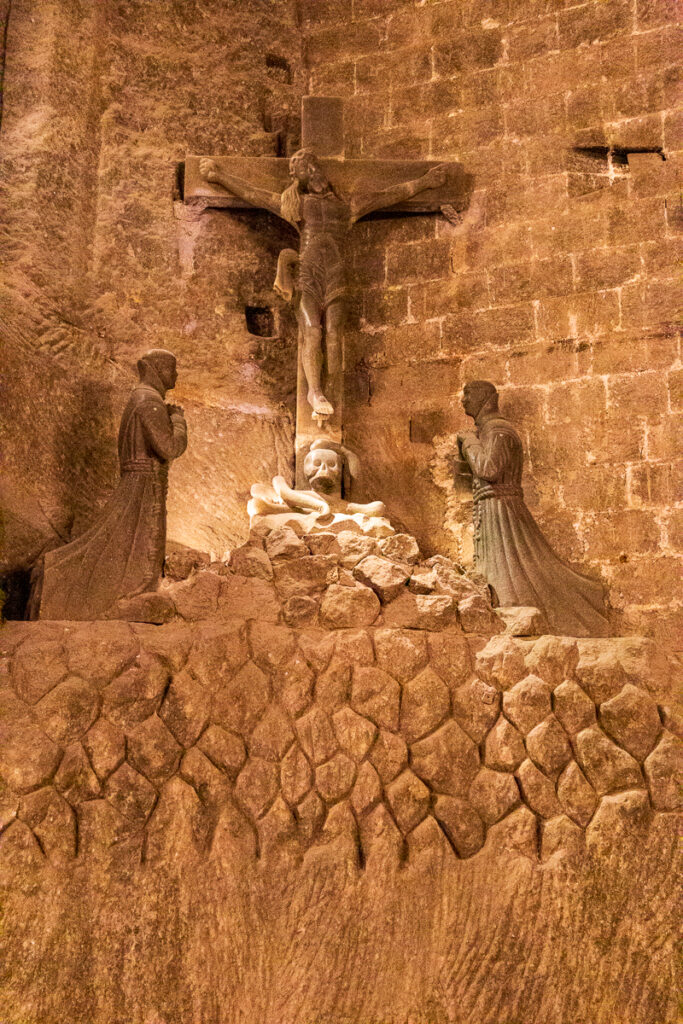
All statues carved out of salt are larger than life-size.
The visit to the mines concluded our day and our time in Krakow,. on to Warsaw in the morning.