Warsaw Continued
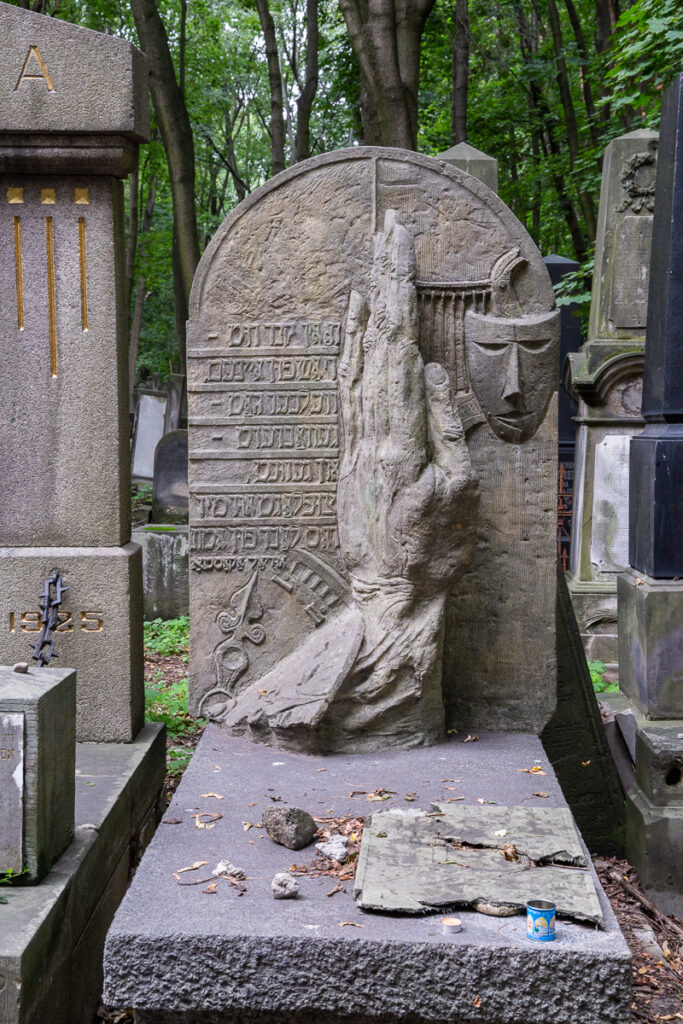
Our first stop in the morning was a section of the Warsaw Ghetto where portions of the walls still remain, and then on to the Jewish Cemetery.
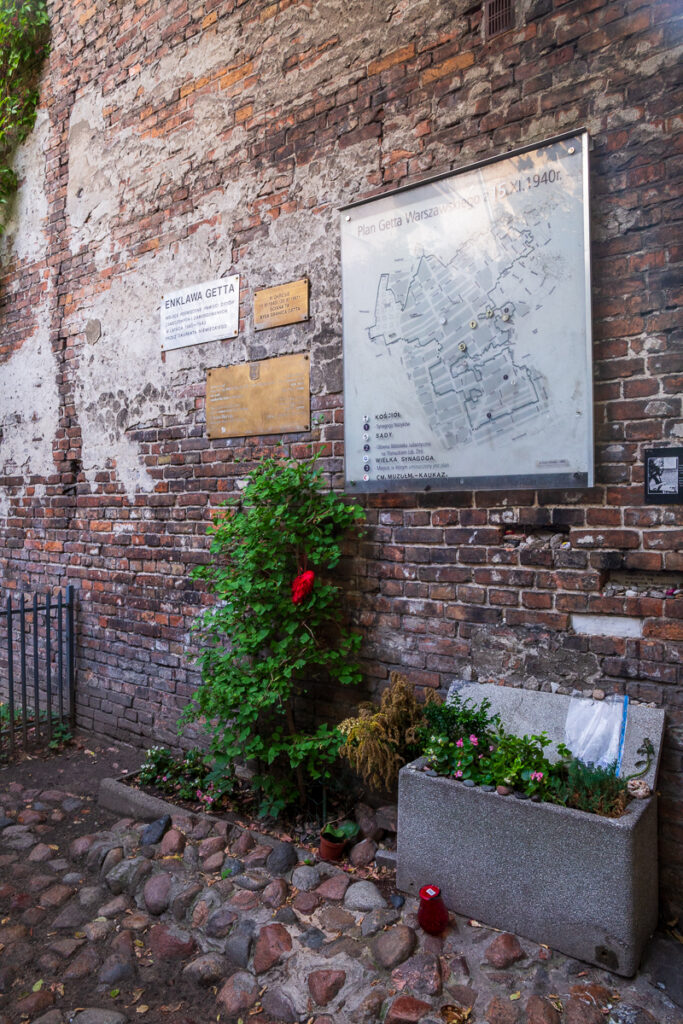
LEFT or ABOVE: A piece of the Ghetto Wall.
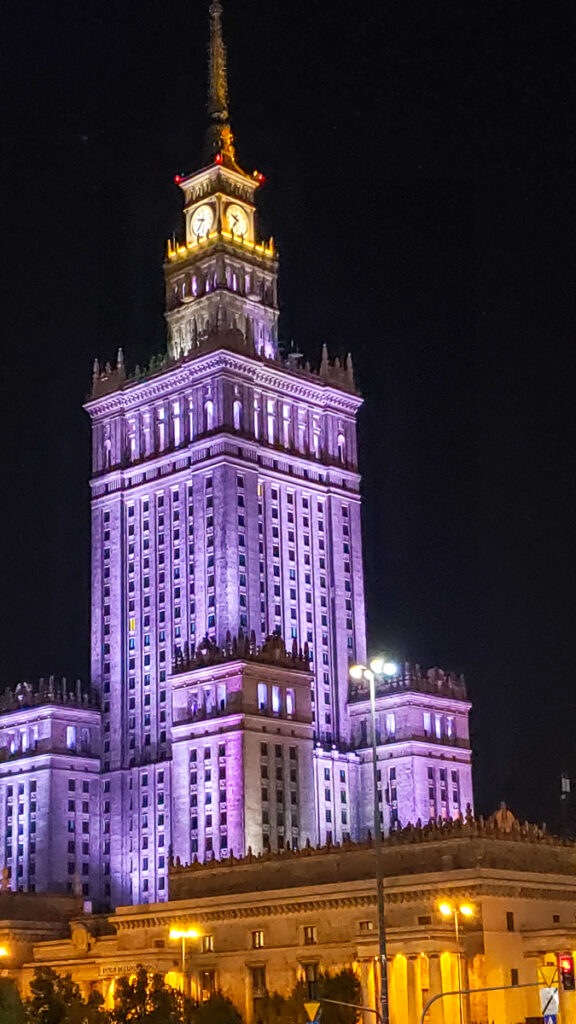
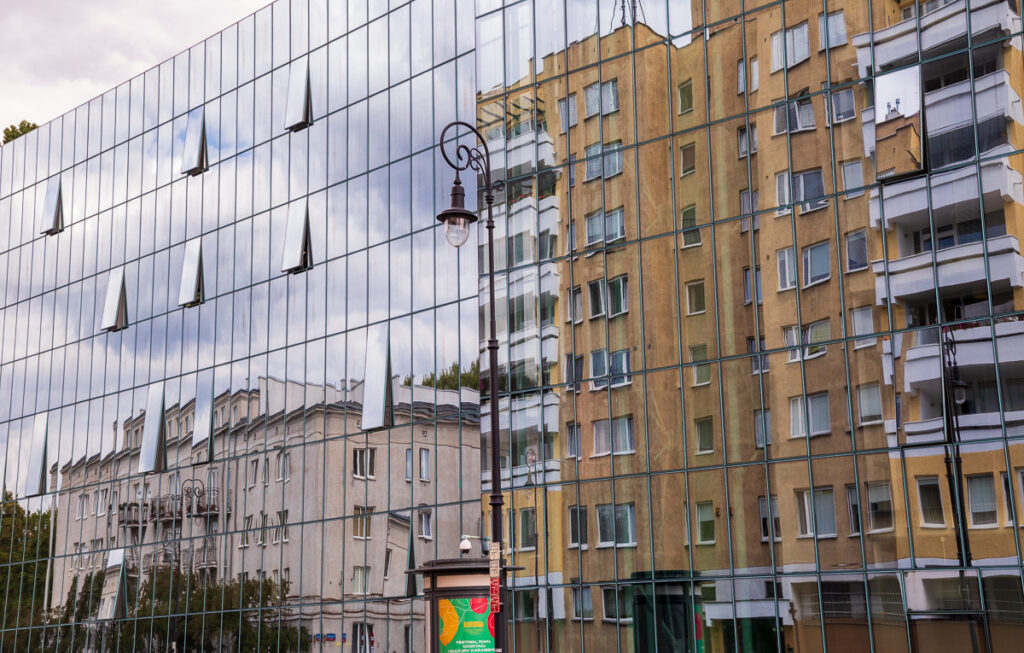
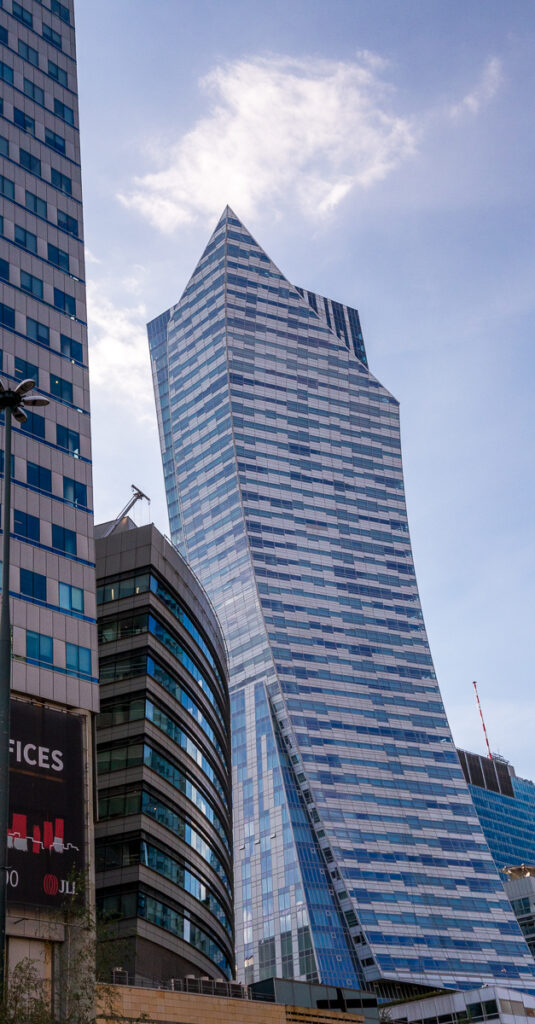
RIGHT or BELOW: Our guide pointed out that from this location we could see the wall (WWII), the Palace of Culture and Science (built during communist rule — originally called Stalin’s Palace of Culture and Science), and the tall building representing present-day Poland.

After those stops, we went to the Museum of the History of Polish Jews. This was my least favorite museum of the entire tour, and I have no photos of it. In fact, I was so underwhelmed and over-museumed,
I skipped the afternoon visit to the Warsaw Uprising Museum, opting instead to revisit the Warsaw historic district with my camera. Time alone with my camera was difficult on the tour, and getting shots that I liked that demonstrated care was incredibly difficult. I was either lagging behind the group attempting to get a quick shot off, or I had parts of people in my shots. I was anxious to have time to just photograph and enjoy some unstructured time. The afternoon gave me some of that necessary freedom.
I spent the afternoon wandering around Warsaw. I set out looking for the place that housed Chopin’s heart. The story goes that Chopin died in France in 1849 and was buried in Père Lachaise Cemetery in Paris. But his desire was to return his heart to Warsaw, where he grew up. It is now in a crypt in the Holy Cross Church. I was following my Google map, but I seemed to go in circles. My best guess is I passed the church numerous times without recognizing that was where I needed to go.
Photos From My Wanderings
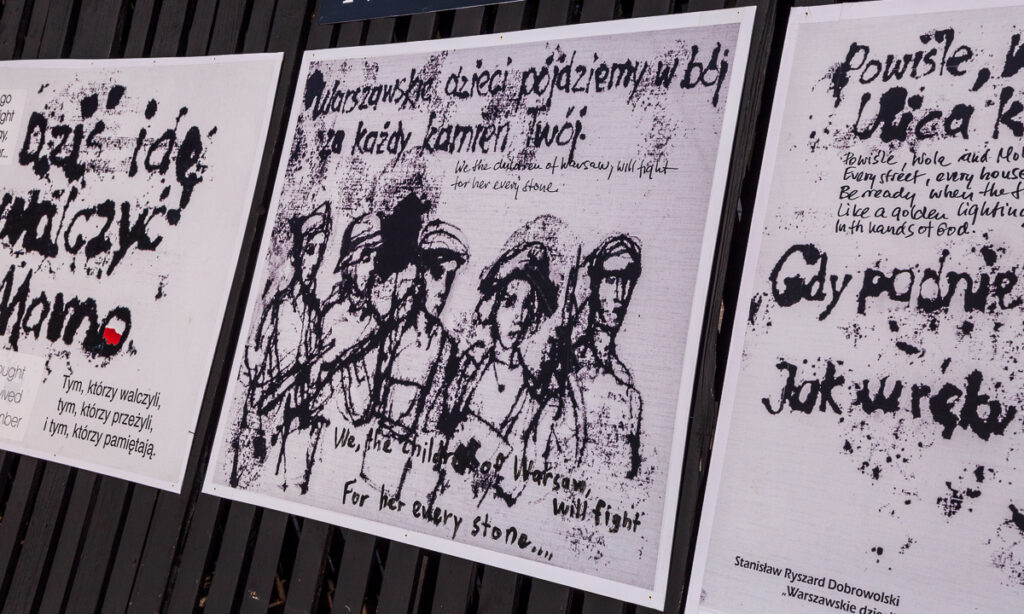

On August 1, 1944, Hitler and Himmler jointly gave the order, “Each and every inhabitant must be killed, taking prisoners of war is not allowed. Warsaw is to be obliterated as an example, being a deterrent for the whole of Europe.” — Text of the order
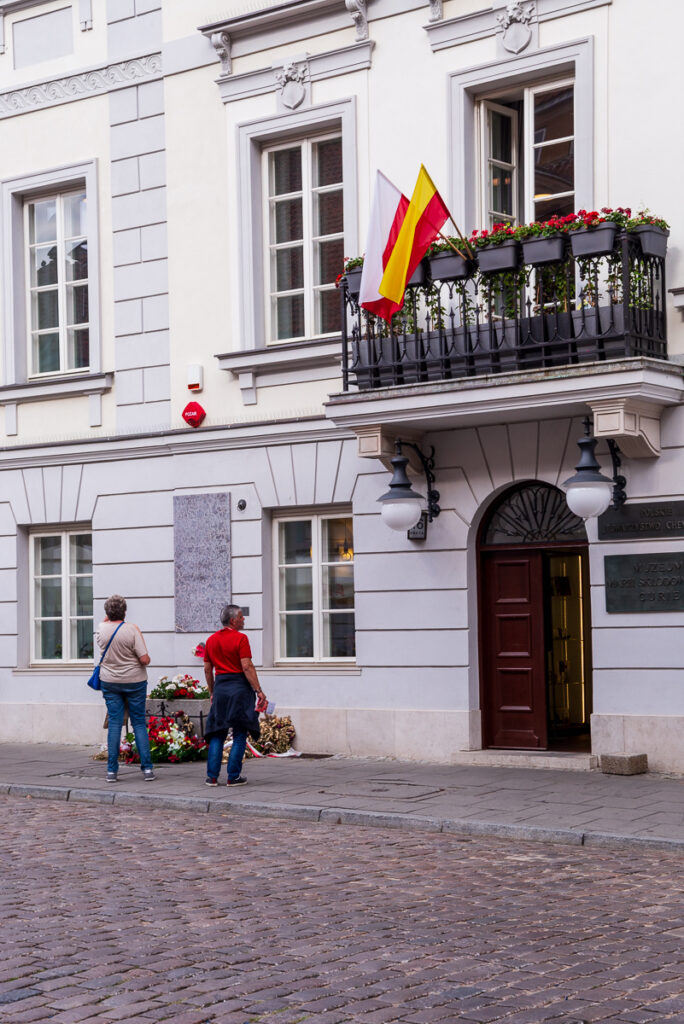
RIGHT or BELOW : The Łyszkiewicz Tenement House, built between 1782 and 1787, now houses the Maria Skłodowska-Curie Museum. The plaque the tourists are reading is a memorial to the 1944 Uprising. The building was the Warsaw District People’s Army headquarters. On August 26, 1944, the tenement was bombed, killing various leaders of the resistance whose names are memorialized on the plaque.
As you can see from the photos, I found many of Warsaw’s churches, just not the one housing Chopin’s heart.
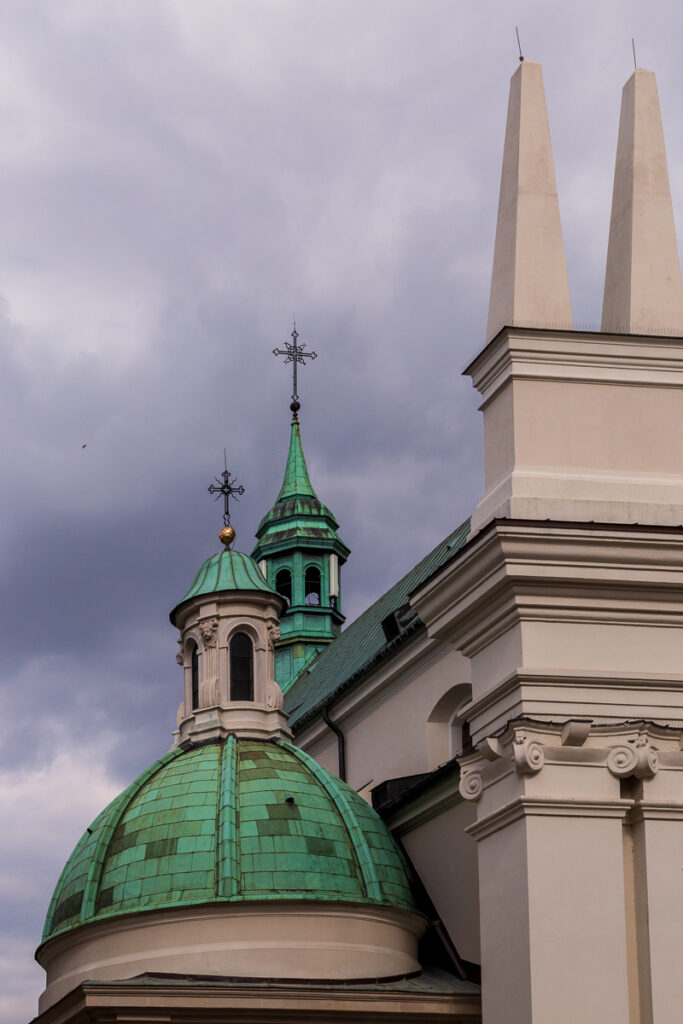
LEFT or ABOVE: St. Hyacinth’s Church adjoins Warsaw’s largest monastery. Construction started in 1603 and was completed in 1639. The church was demolished in 1944 after serving as a field hospital during the Warsaw Uprising.
RIGHT or BELOW: The church’s main claim to fame was that Chopin used to play the church organ here, mainly during services for the children. The full name is the Church of St. Joseph of the Visitationists. I only wish I had stepped inside.

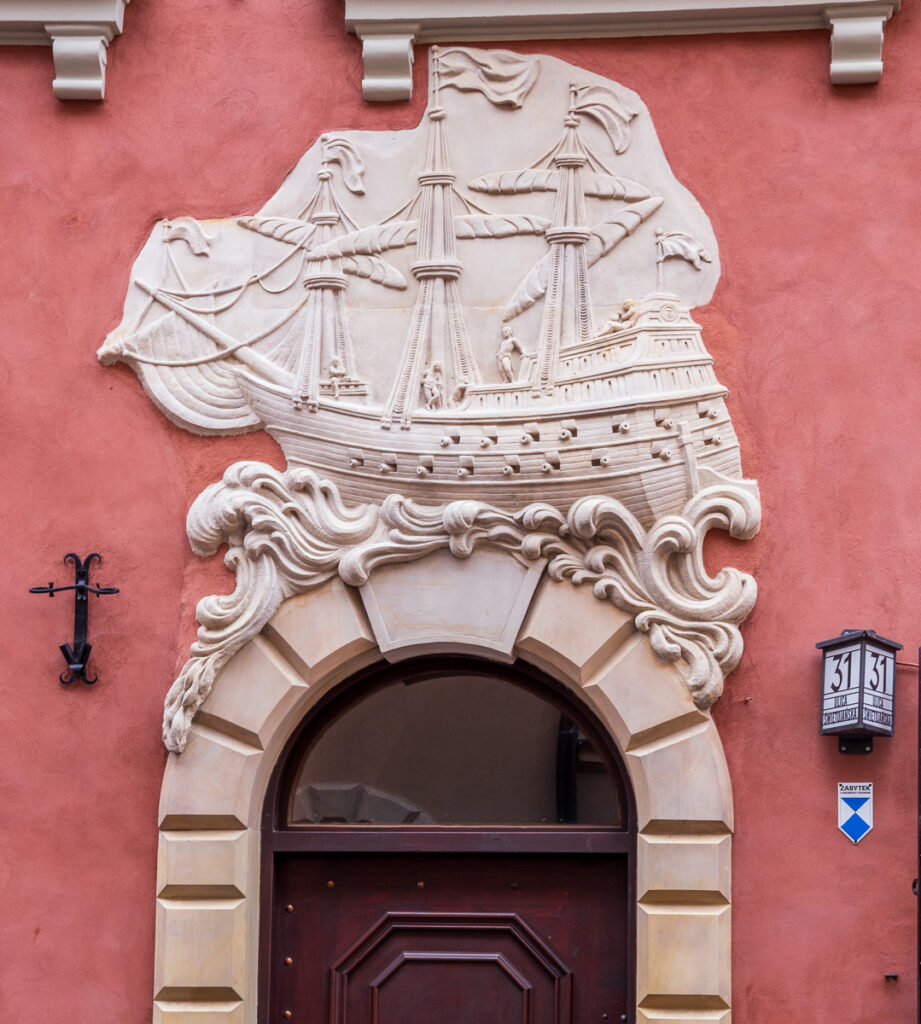
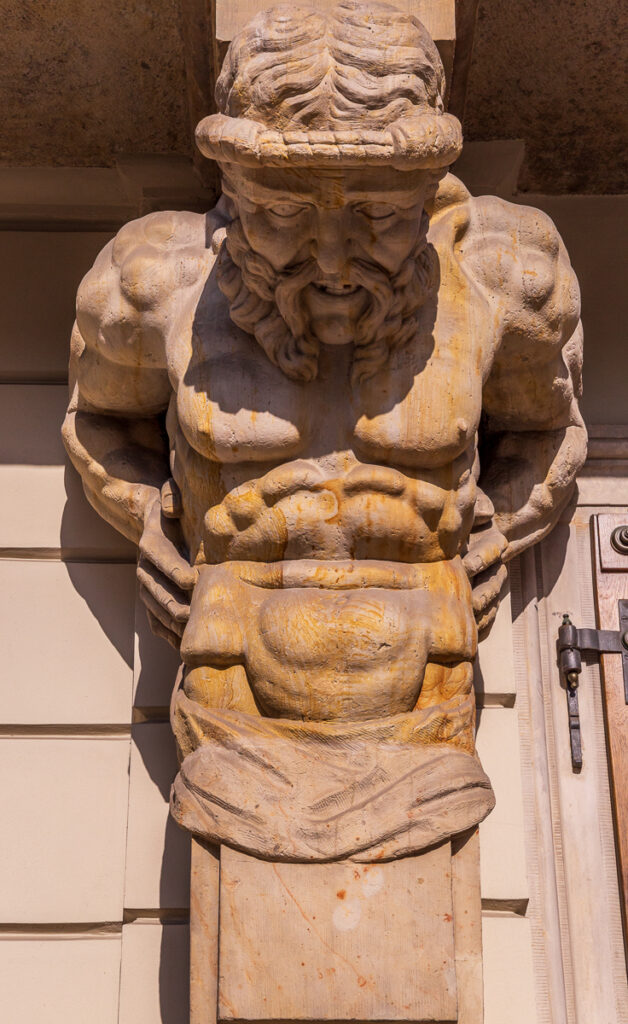
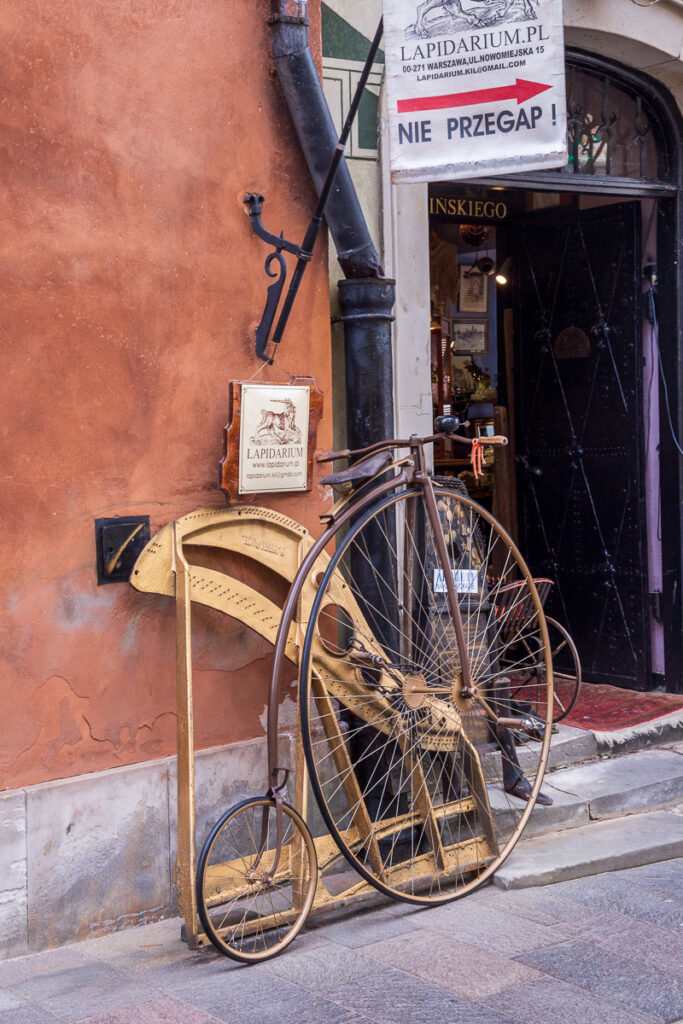
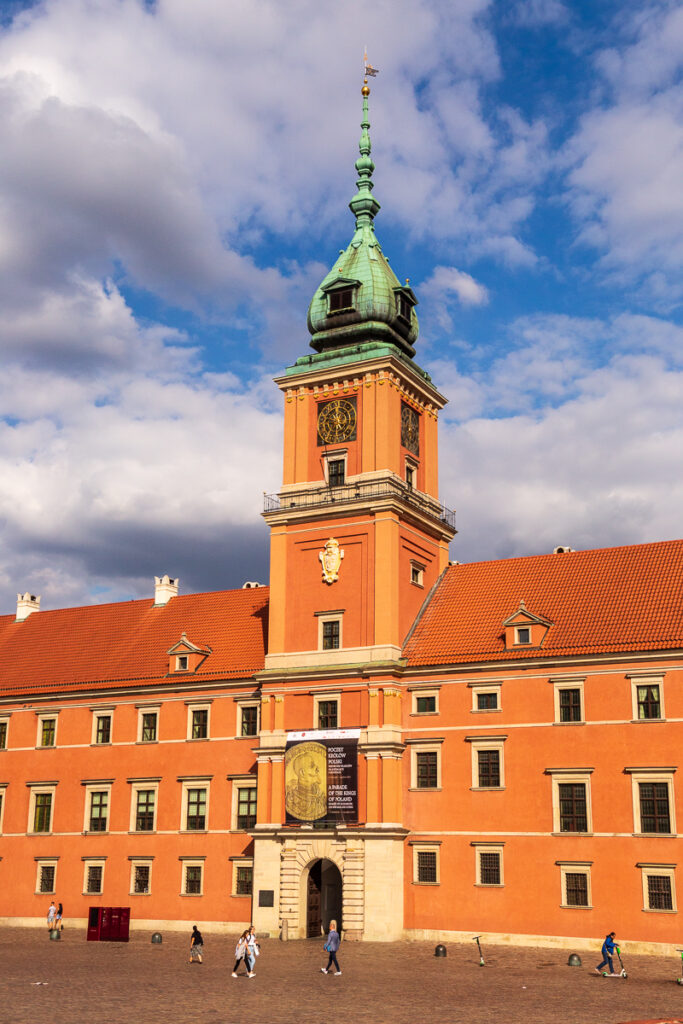
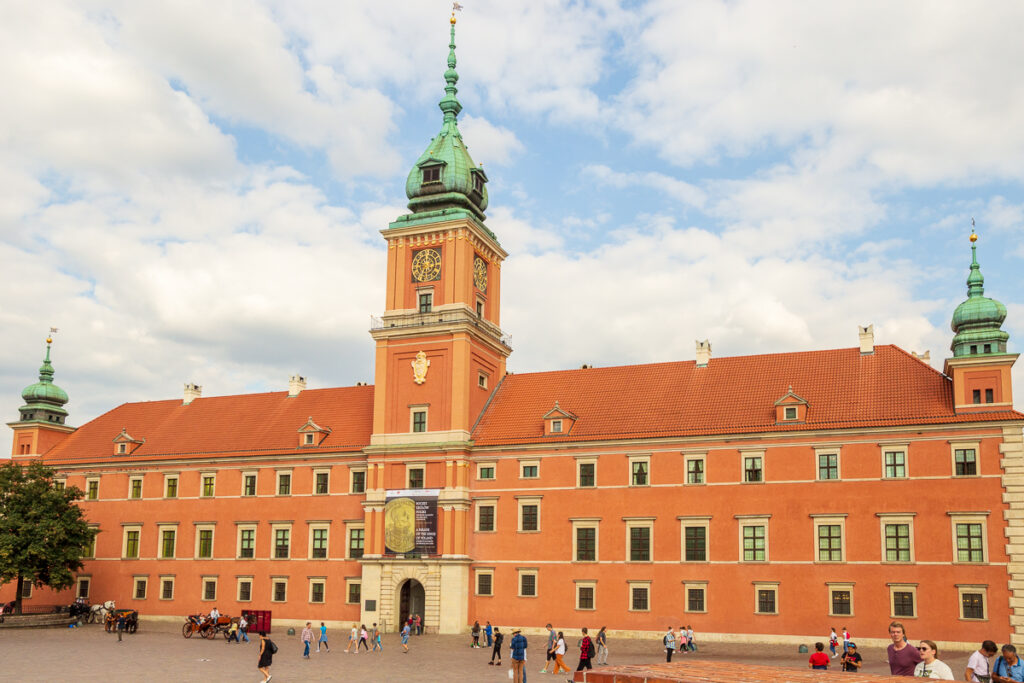
Warsaw — The Details That My Camera Wanted to Capture





LEFT or ABOVE: Enjoying the afternoon in the park’s LARGE hammocks
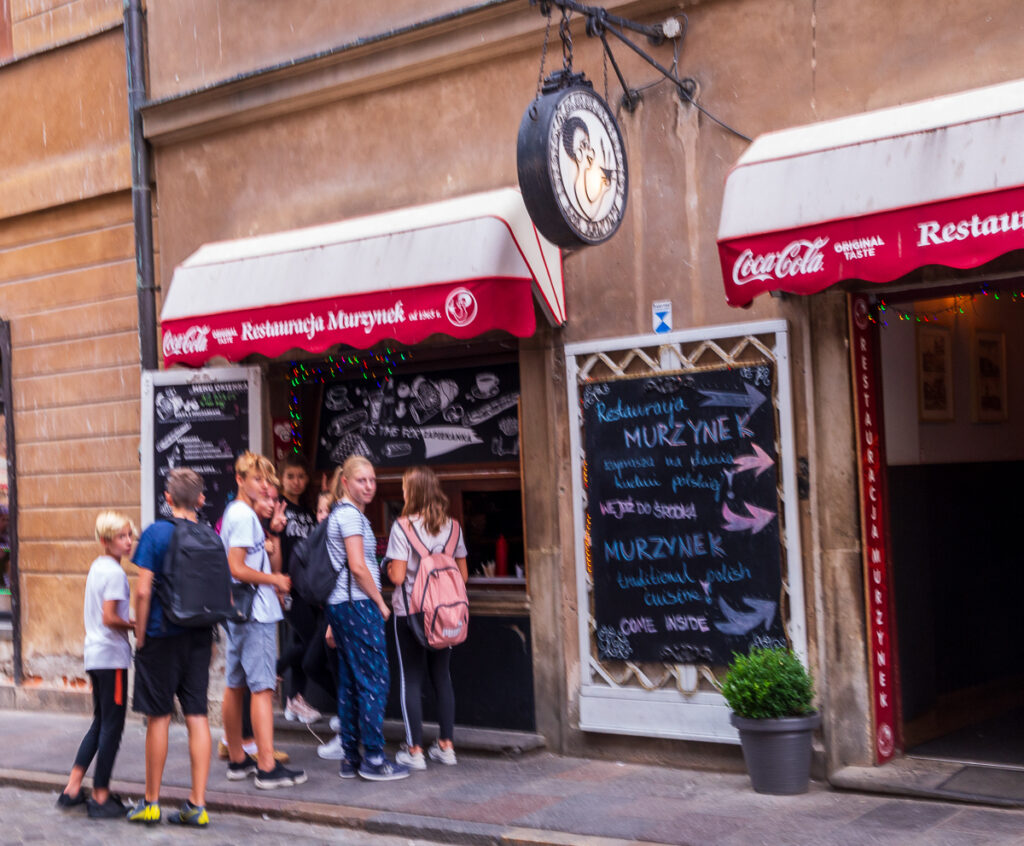
RIGHT or BELOW: Schoolchildren lining up for an after-school treat.

We walked from the hotel to the Radio Cafe. I have no photos of the Cafe, but I clearly remember the writing in the window, “Pence go home.” I wasn’t certain if that was a comment on Pence and his politics or that he was taking the place of Trump. Trump was to visit Poland to mark the 80th anniversary of the German invasion of Poland, but he had canceled to monitor Hurricane Dorian.
The owner of the cafe joined our table after we asked about the naming of his restaurant, which then dissolved into a general conversation about his long and interesting life. Unfortunately, I was not close enough to catch all the stories.
The cafe is “the Club” of former employees of Radio Free Europe in Munich. Radio Free Europe was founded by the Eisenhower administration to broadcast news to those living behind the Iron Curtain. The success of the station led to harsh prison sentences for anyone caught listening to the station.
The cafe is lined with photos of Radio Free Europe’s history.
I had forgotten about Radio Free Europe — although, on the owner’s mentioning it, memories of discussions from my elementary school days sketchily resurfaced.
After dinner, it was a short walk back to the hotel. Not so short that Deb didn’t need to stop for a McDonald’s. I thought maybe when we got to the hotel, I could grab a fry. Not to be…she ate everything between McDonald’s and the hotel, which had to be a five-minute walk. But while Deb scarfed down the McDonald’s, I got a photo of the Palace of Culture and Science.