Around Krakow

Deb and I arrived several days before the tour to adjust to the time difference and explore Krakow. Deb was the historian for the trip, as she had read Rick Steves’ book. I relied on her to guide me to interesting sights, and she was up to the task.

Here are some photos from around Krakow.

2019 Poland
Krakow streetcar

Left:  Krakow streetcar

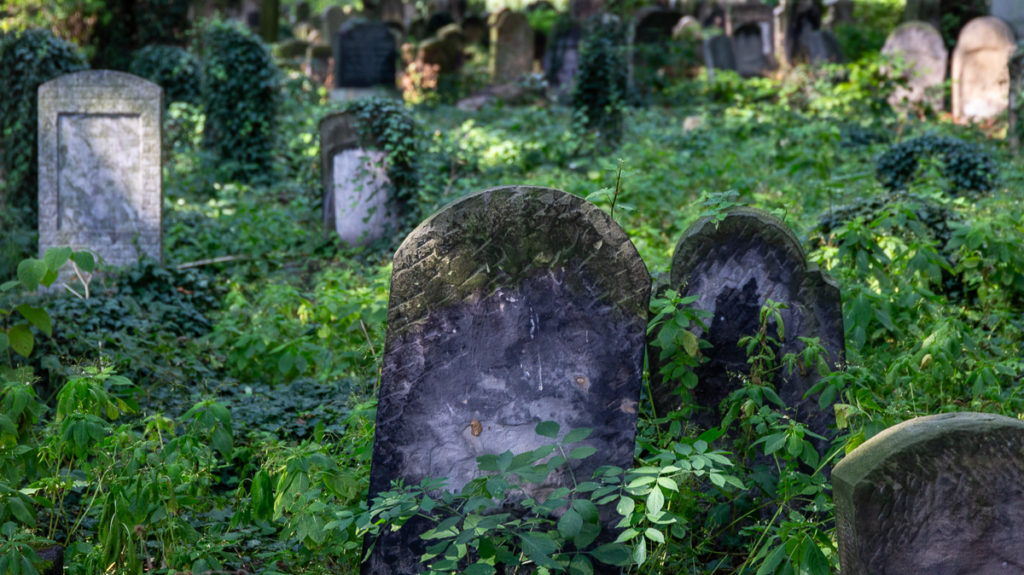
Right: Remah Cemetery also known as Old Jewish Cemetery

2019 Poland
Krakow - New Jewish Cemetery


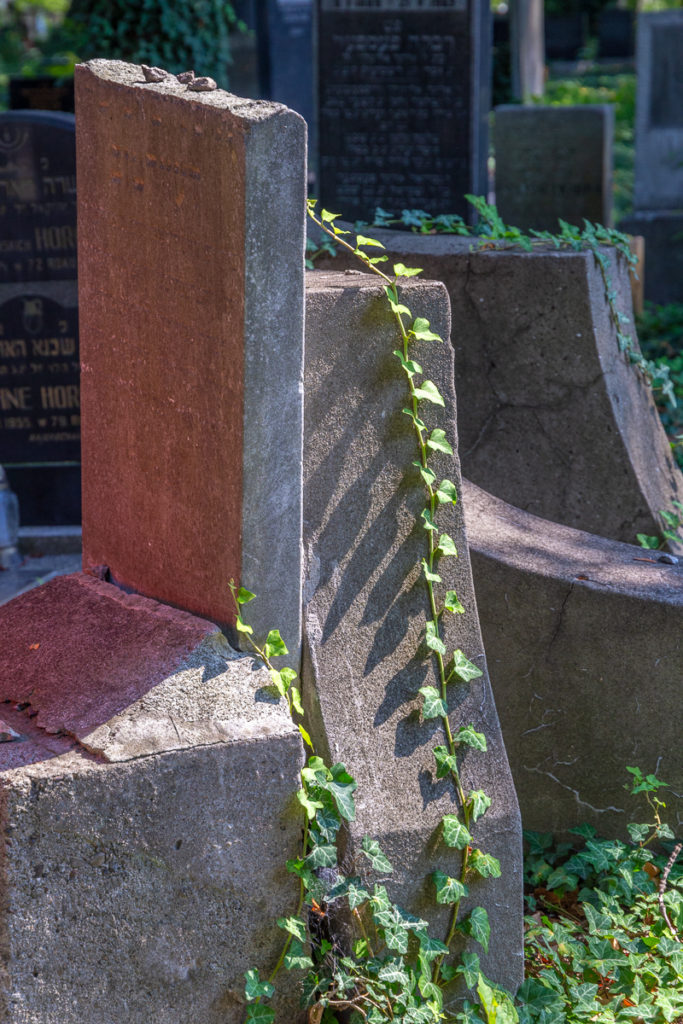
New Jewish Cemetery


2019
Krakow - New Jewish Cemetery
2019 Poland
Krakow - New Jewish Cemetery
2019 Poland
Krakow - Uber Eats


I  took many photos of Uber Eats couriers—on motorcycles, bikes, and on foot… few were successful.

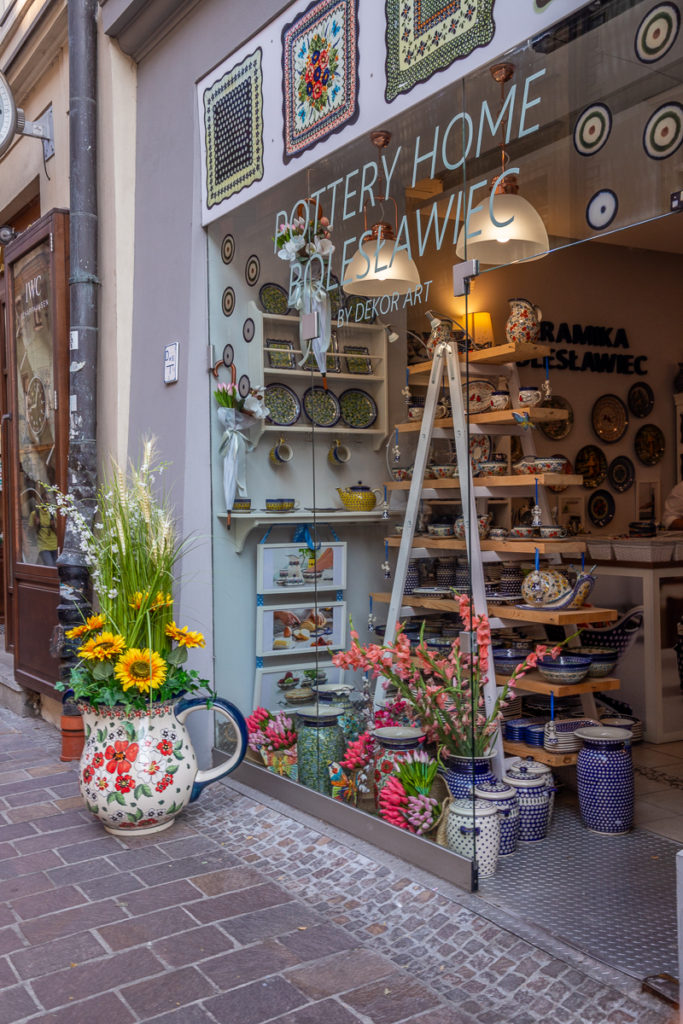
Deb had a list of pottery shops recommended by Rick Steves. The pottery was unique to Krakow and Poland, and we both walked out with several treasures. Only wish I had purchased more!
 

Poland 2019
Krakow - Pottery shop
Poland 2019
Krakow - Cloth Hall

Above: The Cloth Hall was built during the Renaissance period in Poland. It is part of Krakow’s UNESCO World Heritage Site.

Poland 2019
Krakow

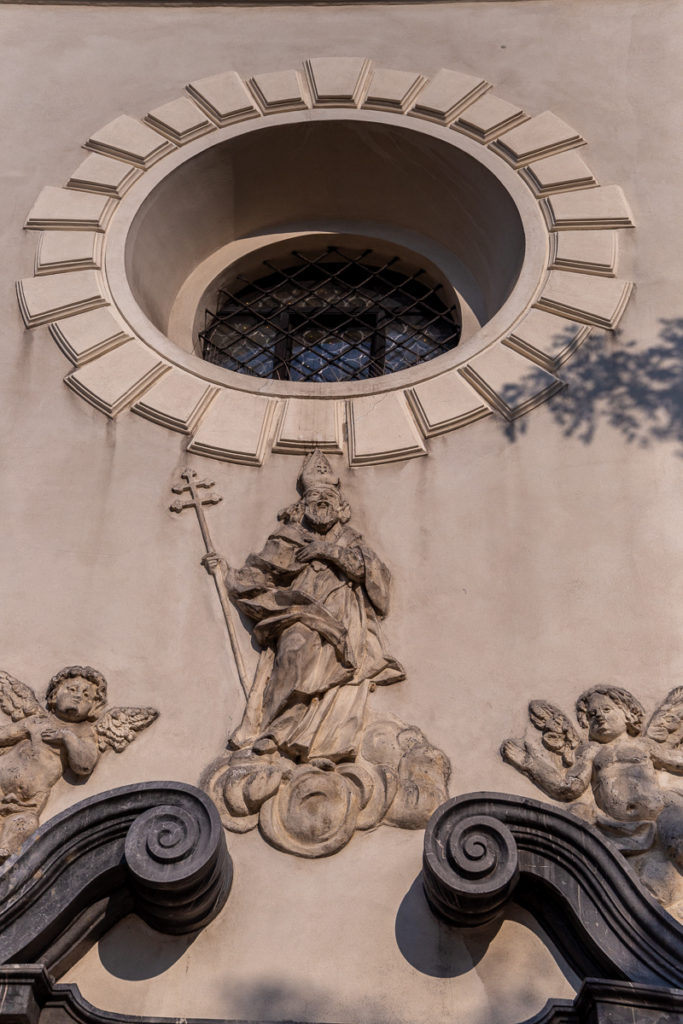
Left or above: Interesting architectural detail

Right or below:  Getting Cool. Krakow style

Below: Inviting place for lunch

Poland 2019
Krakow
Poland 2019
Krakow

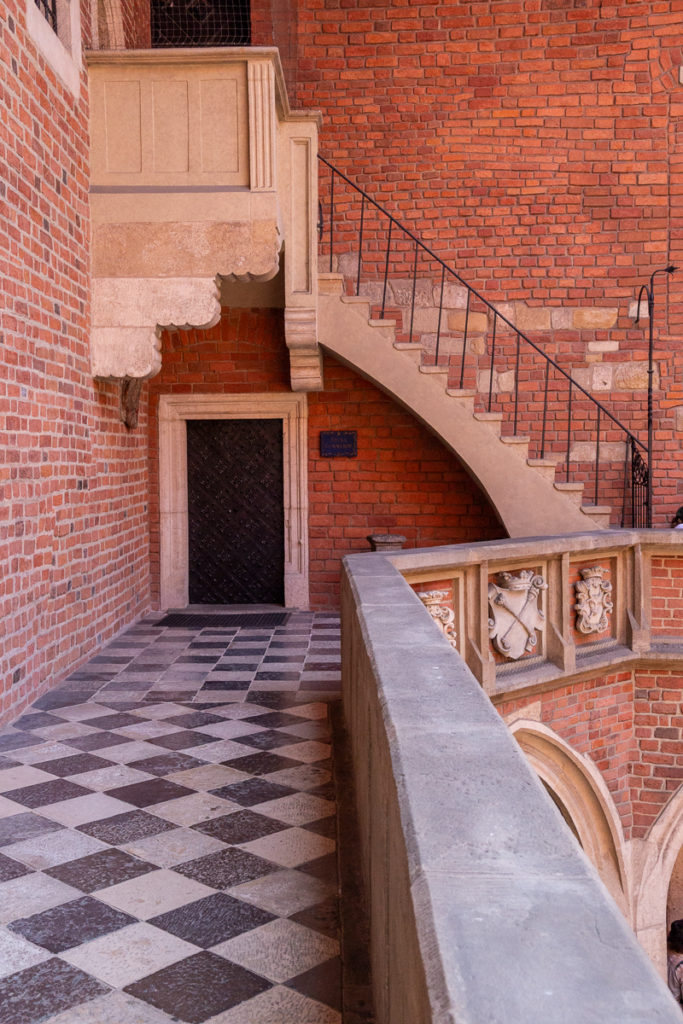
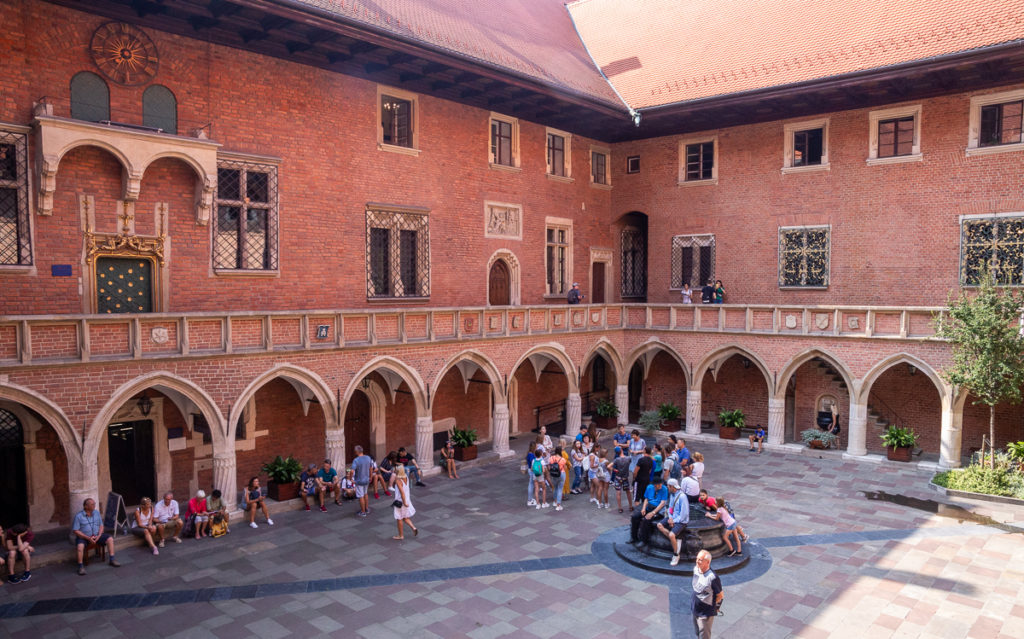
Deb’s research took us to Jagiellonian University, founded in 1364. On November 6, 1939, two months after the German invasion of Poland, active and retired professors were summoned to the university to meet with German officials in Room 66 (now Room 56). The pretense for the meeting was a lecture on German plans for Polish education. Instead, 184 academics, including 105 professors, were arrested and deported to Sachsenhausen and Dachau concentration camps.

The scientific community from around the world worked to secure the academics’ release. In February 1940, 101 professors over the age of 40 were released. By that time, approximately 15 had already died, and another five died shortly after their release.

Behind the university is a lovely garden with plaques telling the story of these professors. As happened so many times on this trip, I have no photographs to include. The story of these professors so captivated me that I didn’t think to take a photo. Other times, especially in the buildings of Auschwitz, I simply couldn’t lift my camera… it felt too invasive to the poor souls forced into those horrible conditions.
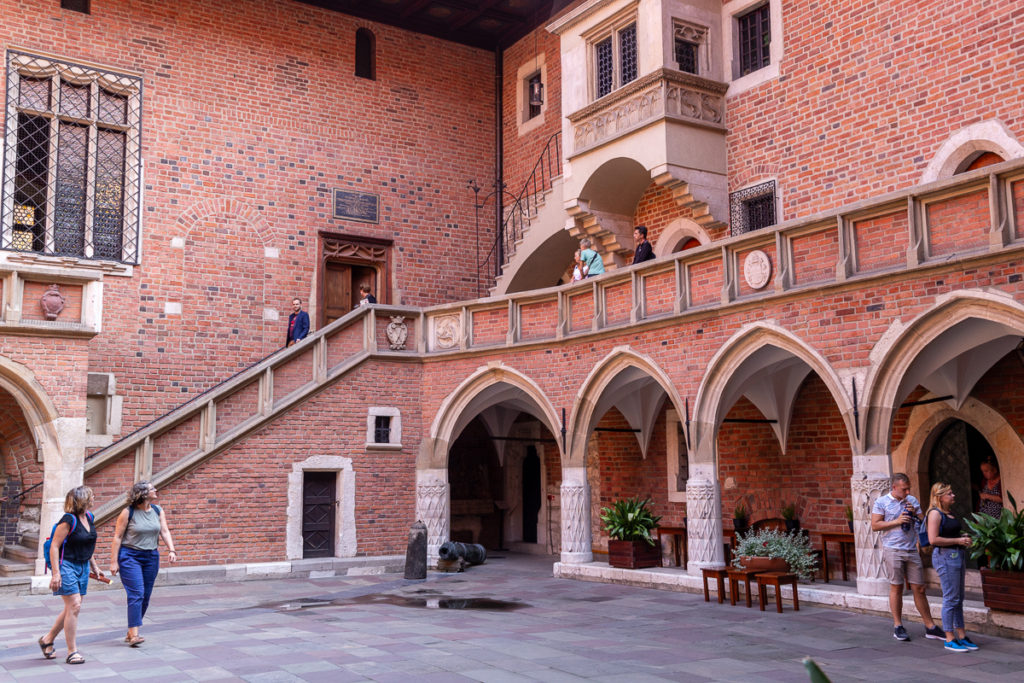
Deb’s research took us to Jagiellonian University, founded in 1364. On November 6, 1939, two months after the German invasion of Poland, active and retired professors were summoned to the university to meet with German officials in Room 66 (now Room 56). The pretense for the meeting was a lecture on German plans for Polish education. Instead, 184 academics, including 105 professors, were arrested and deported to Sachsenhausen and Dachau concentration camps.

The scientific community from around the world worked to secure the academics’ release. In February 1940, 101 professors over the age of 40 were released. By that time, approximately 15 had already died, and another five died shortly after their release.

Behind the university is a lovely garden with plaques telling the story of these professors. As happened so many times on this trip, I have no photographs to include. The story of these professors so captivated me that I didn’t think to take a photo. Other times, especially in the buildings of Auschwitz, I simply couldn’t lift my camera… it felt too invasive to the poor souls forced into those horrible conditions.
2019 Poland
Krakow - Jagiellonian University
2019 Poland
Krakow - Jagiellonian University
Poland 2019
Krakow - Jagiellonian University
2019 Poland
Krakow - Jagiellonian University