PREVIOUS

AIULA CON'T

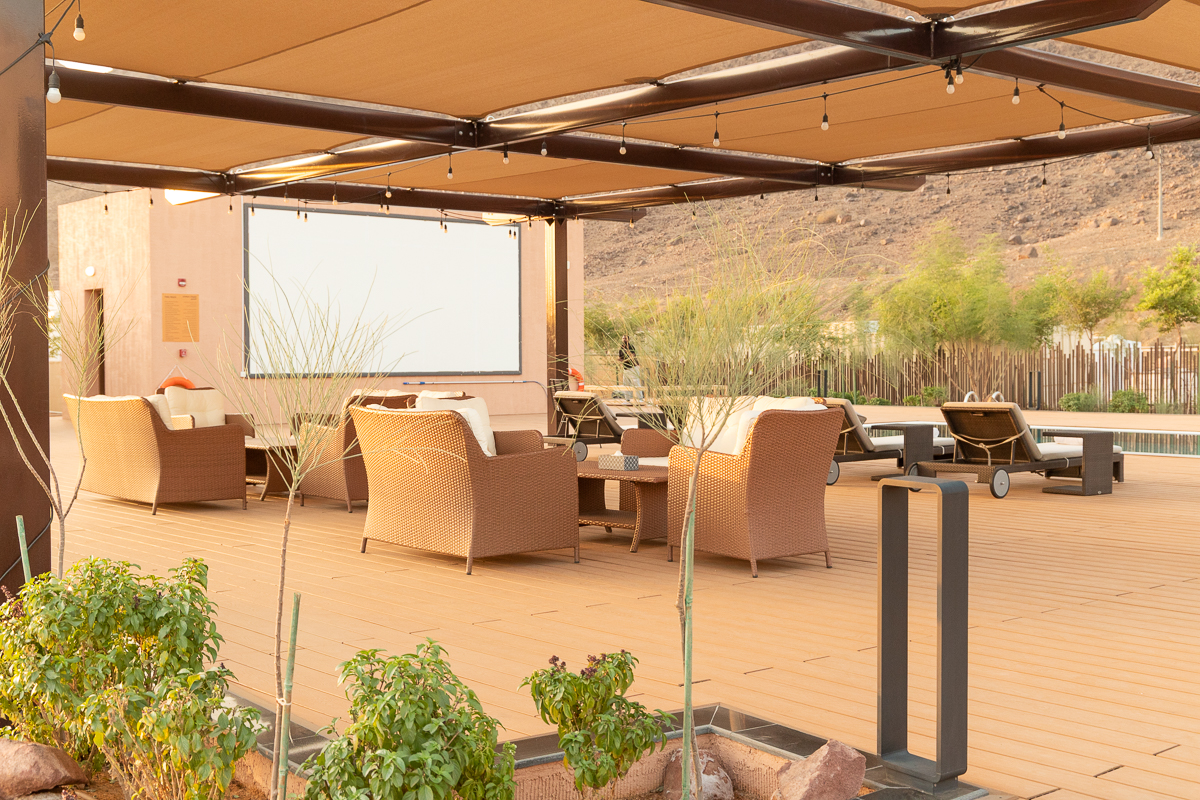
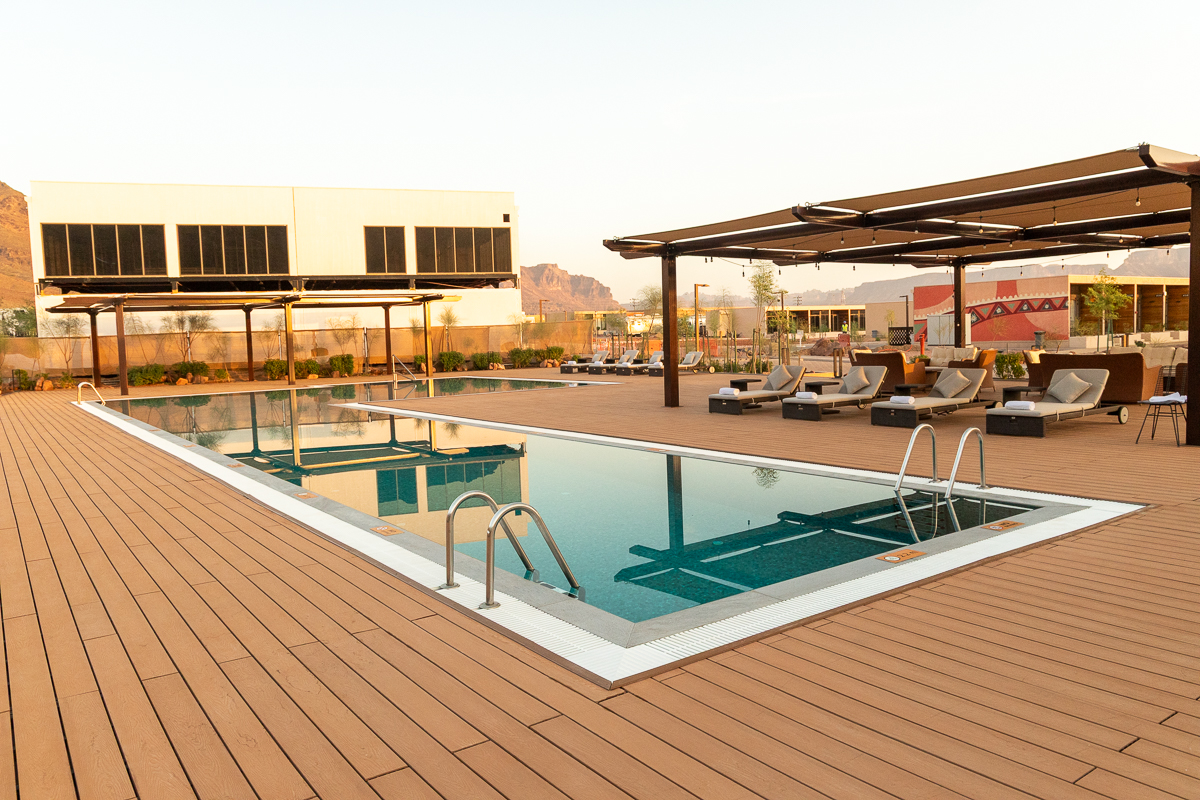
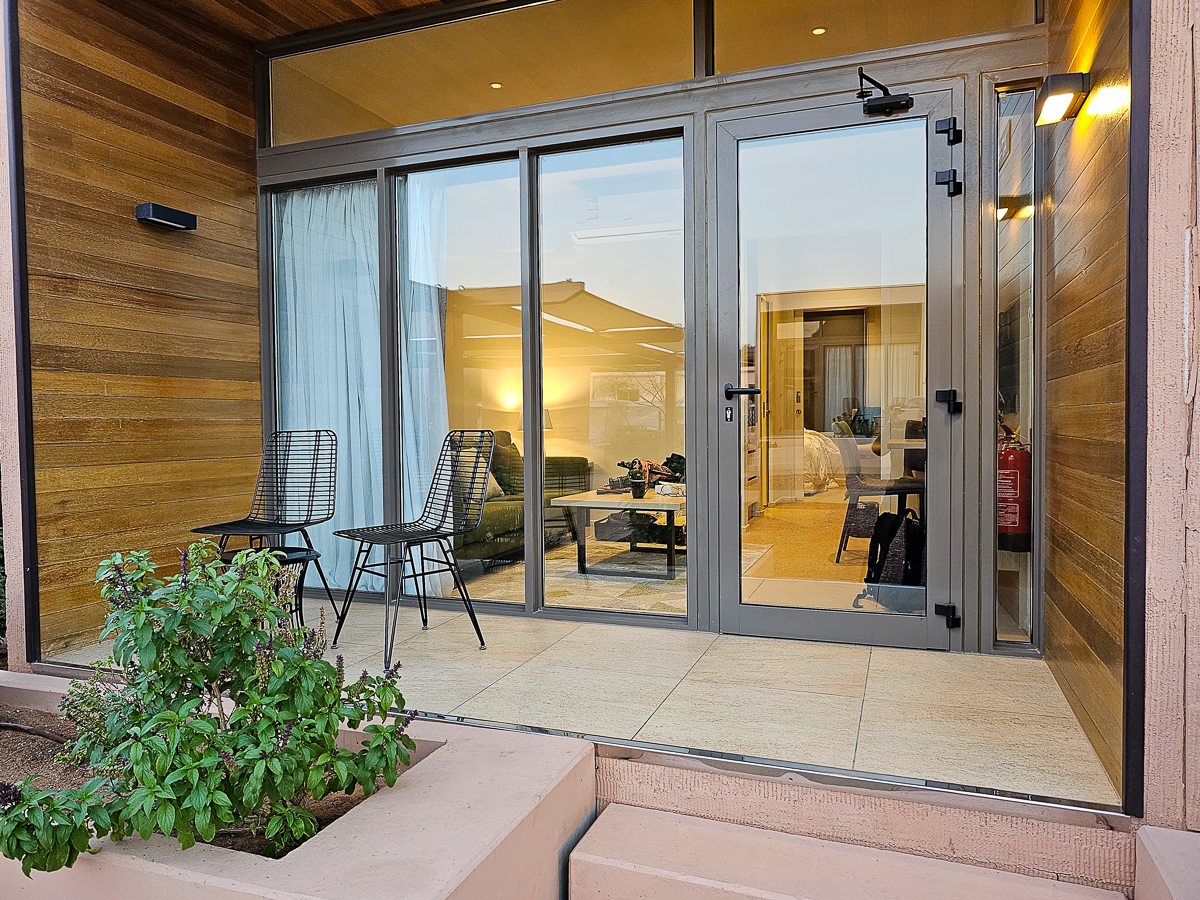
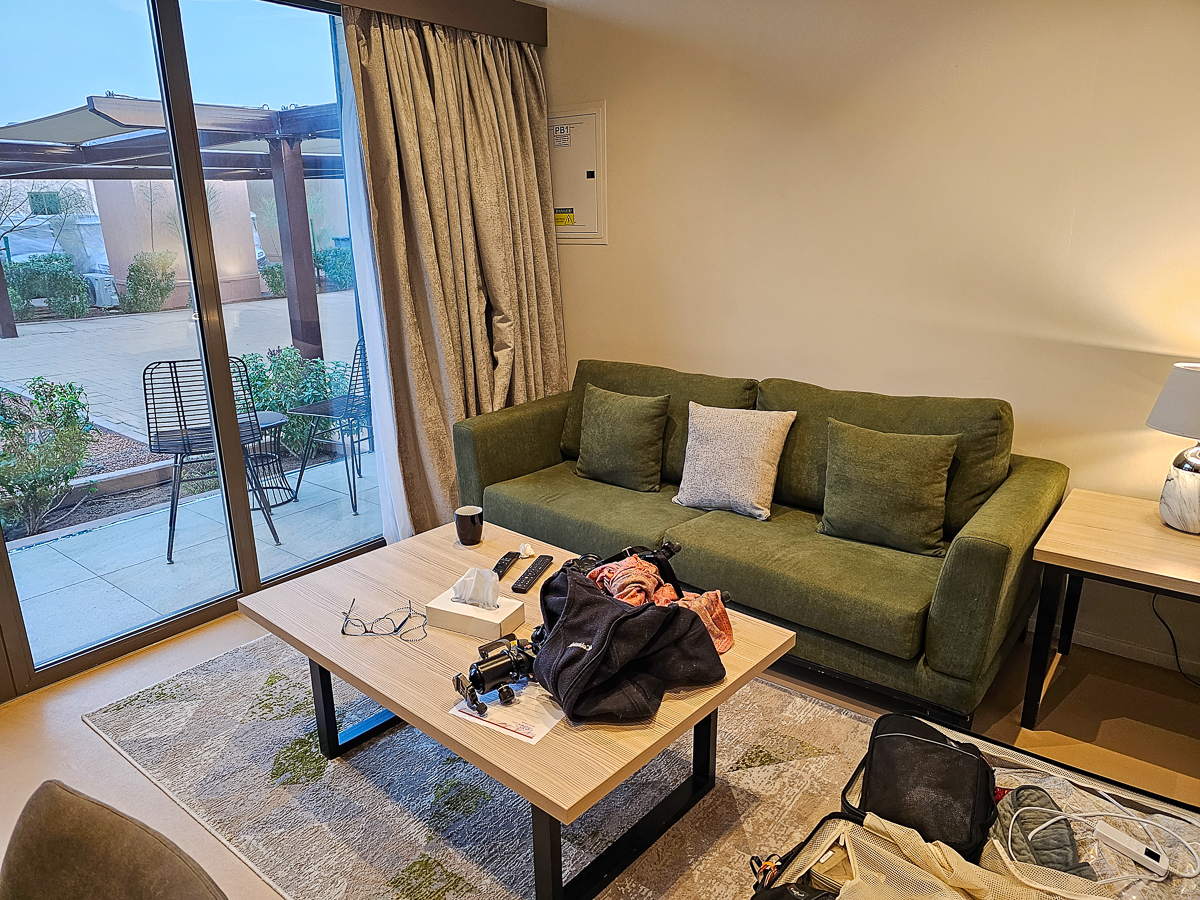
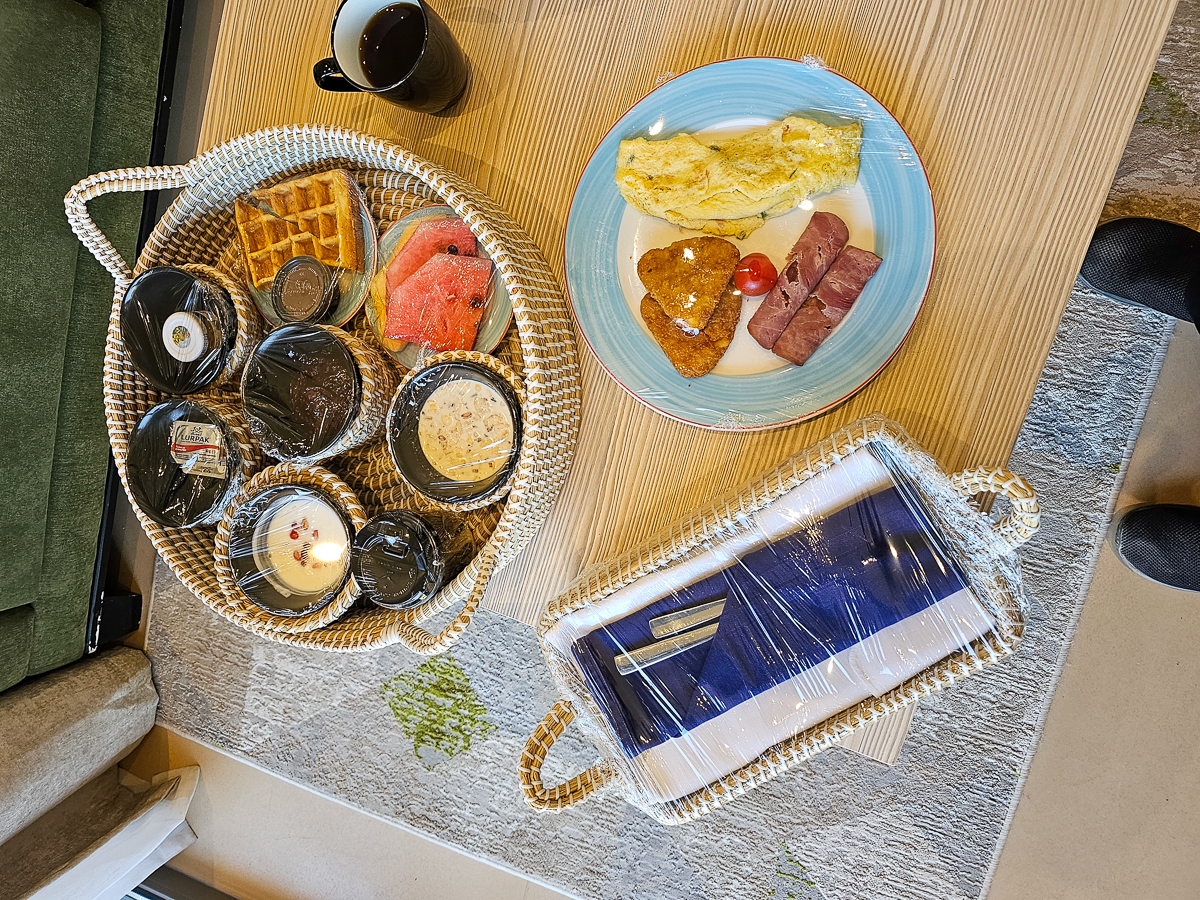
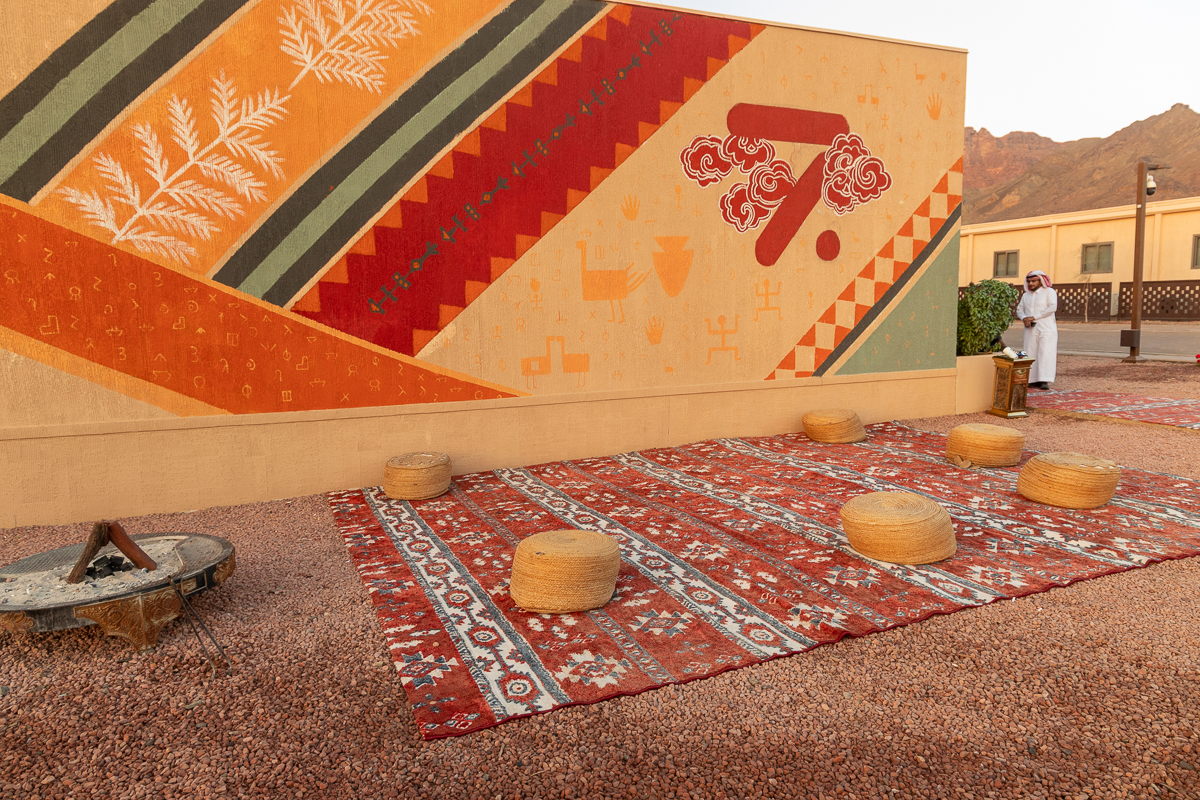
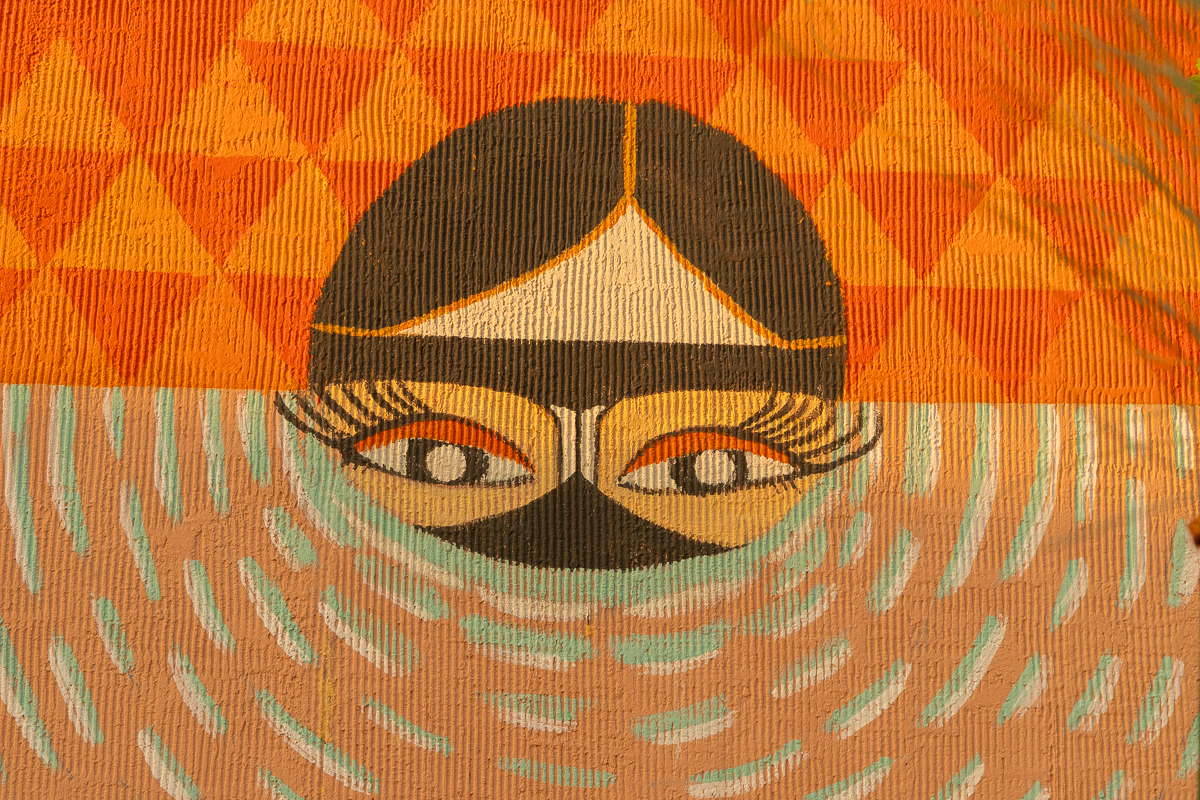
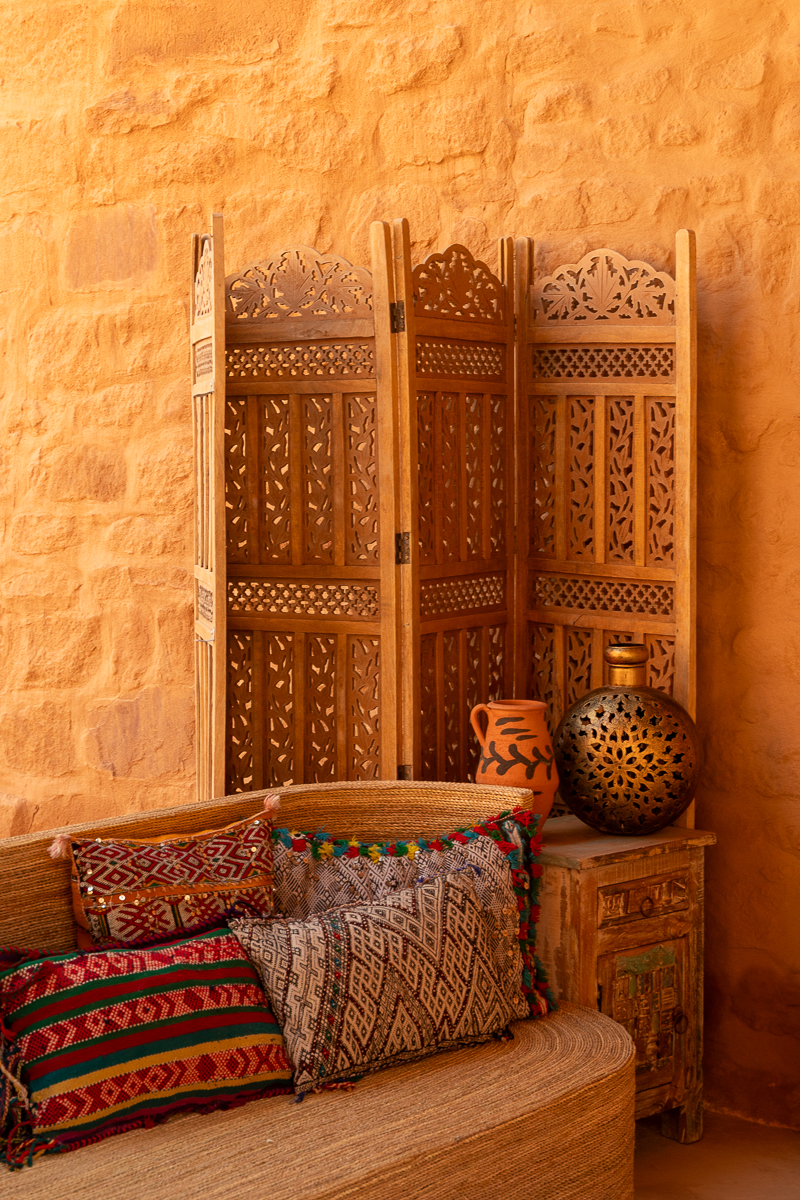
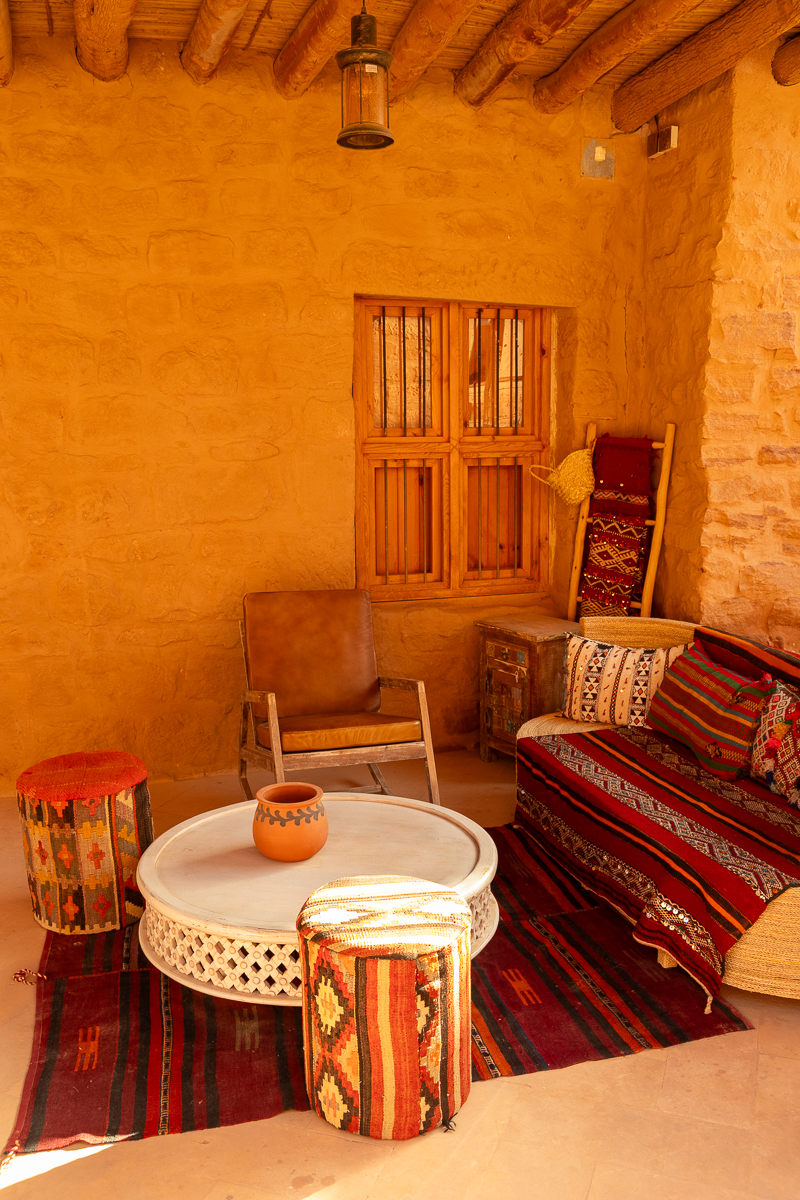
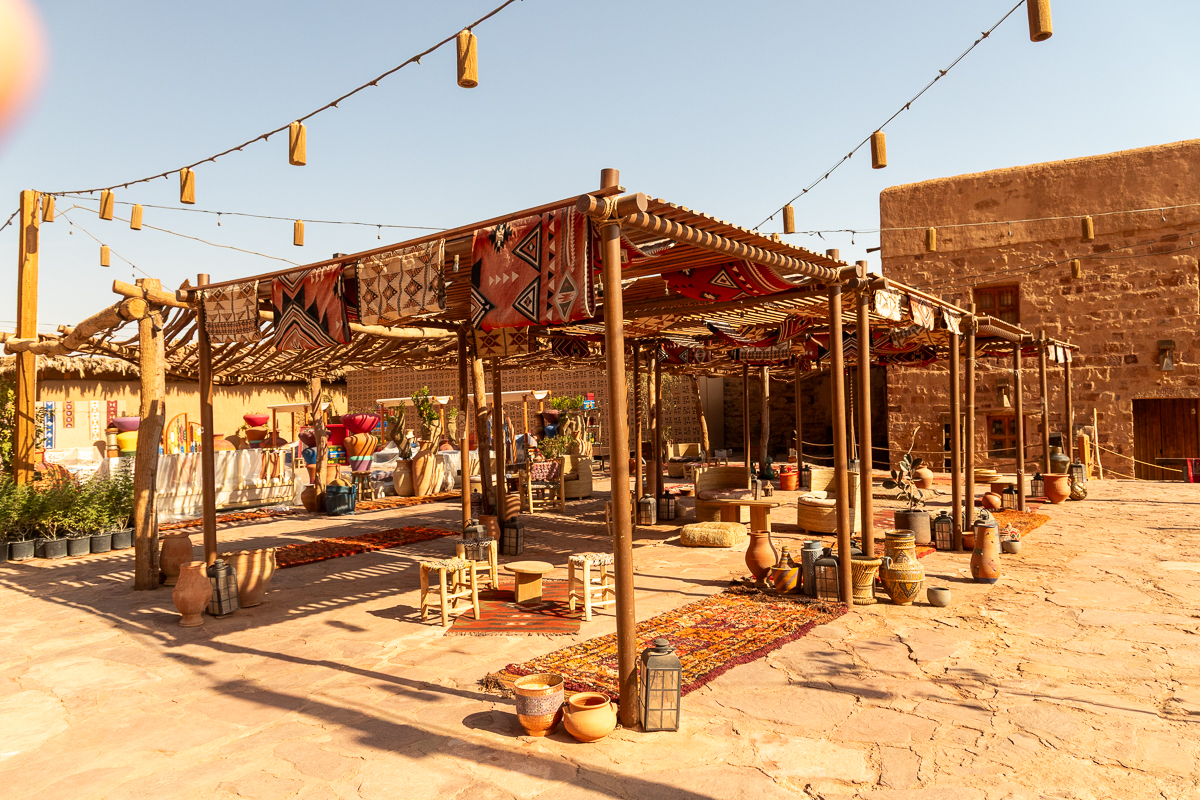
I spent a morning photographing around our hotel, Cloud 7. I believe the hotel was still under construction, although it was readily apparent.  But they brought our breakfast to our room on trays, so maybe the dining hall wasn’t complete.  The website has much more complete photos of the hotel.

Cloud 7

Cloud 7
Cloud 7
Cloud 7
Cloud 7
Cloud 7
Cloud 7
Breakfast
Cloud 7
Cloud 7--- No Change ---

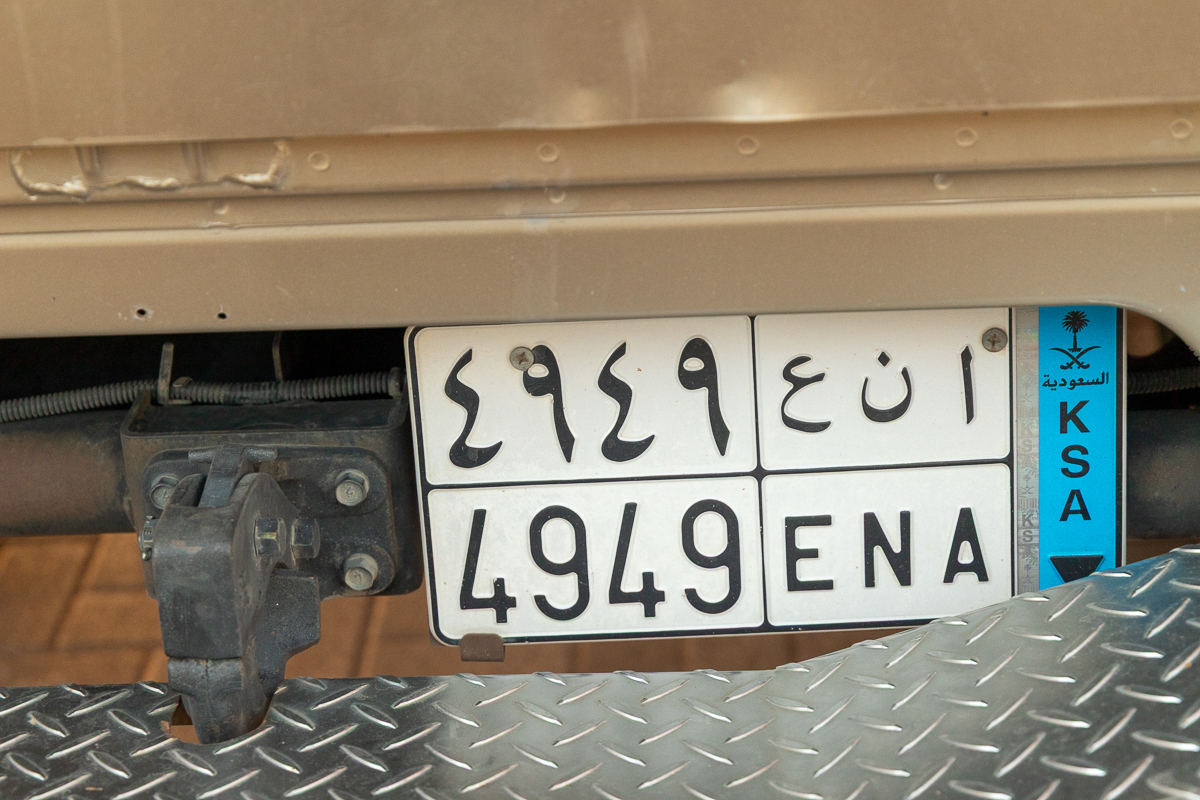
The image below – one of the Saudi license plates and the other on the side of a taxi.

Cloud 7--- No Change ---
Cloud 7
Cloud 7

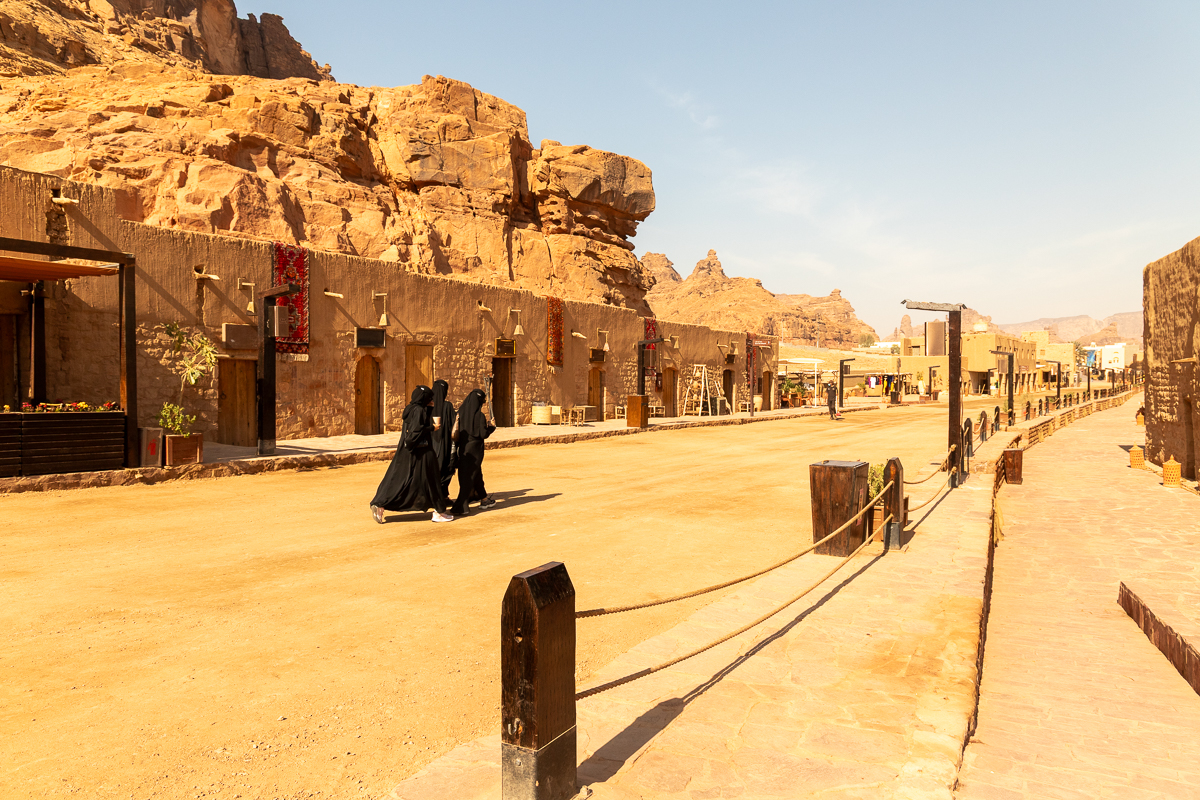
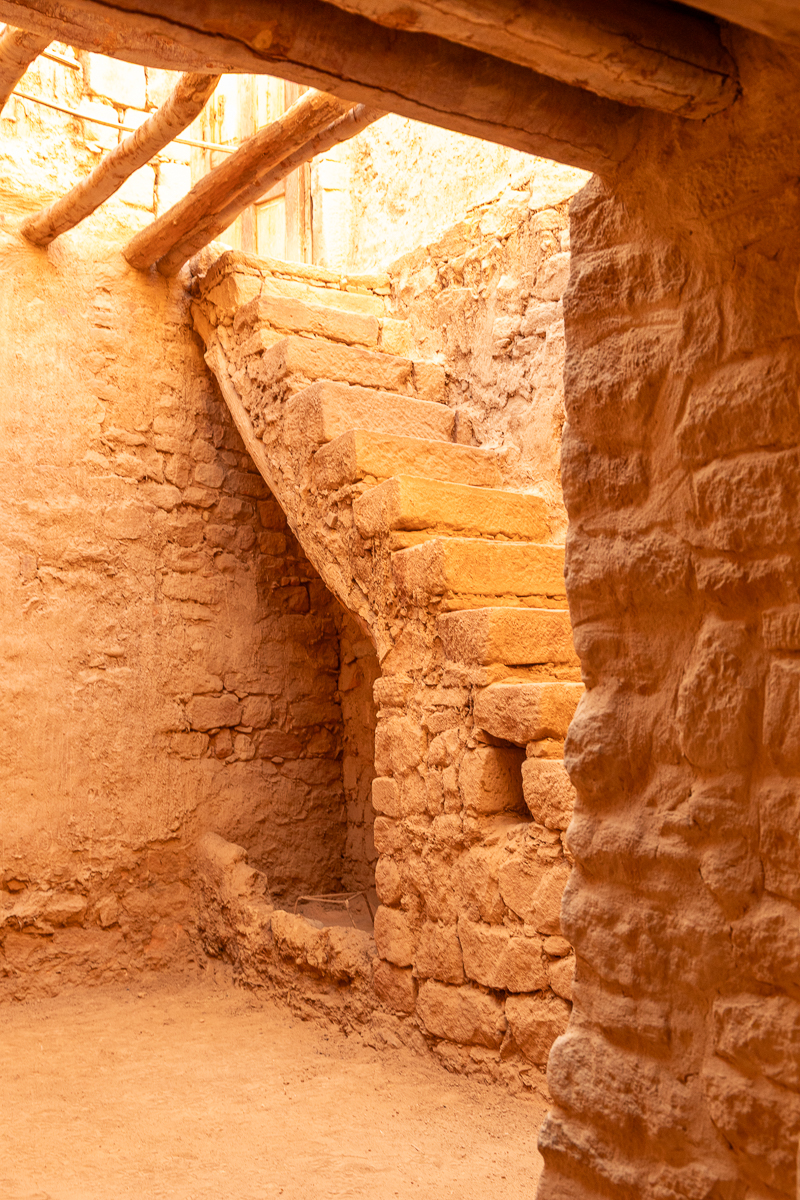
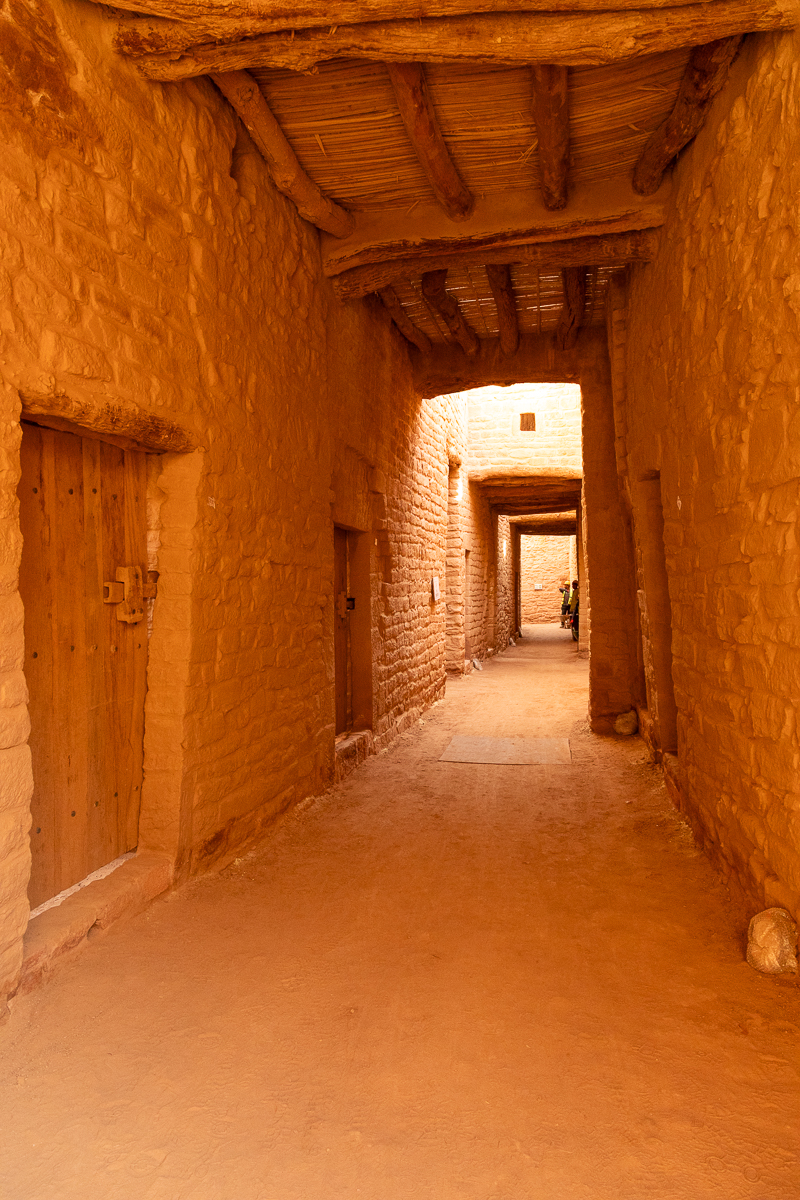
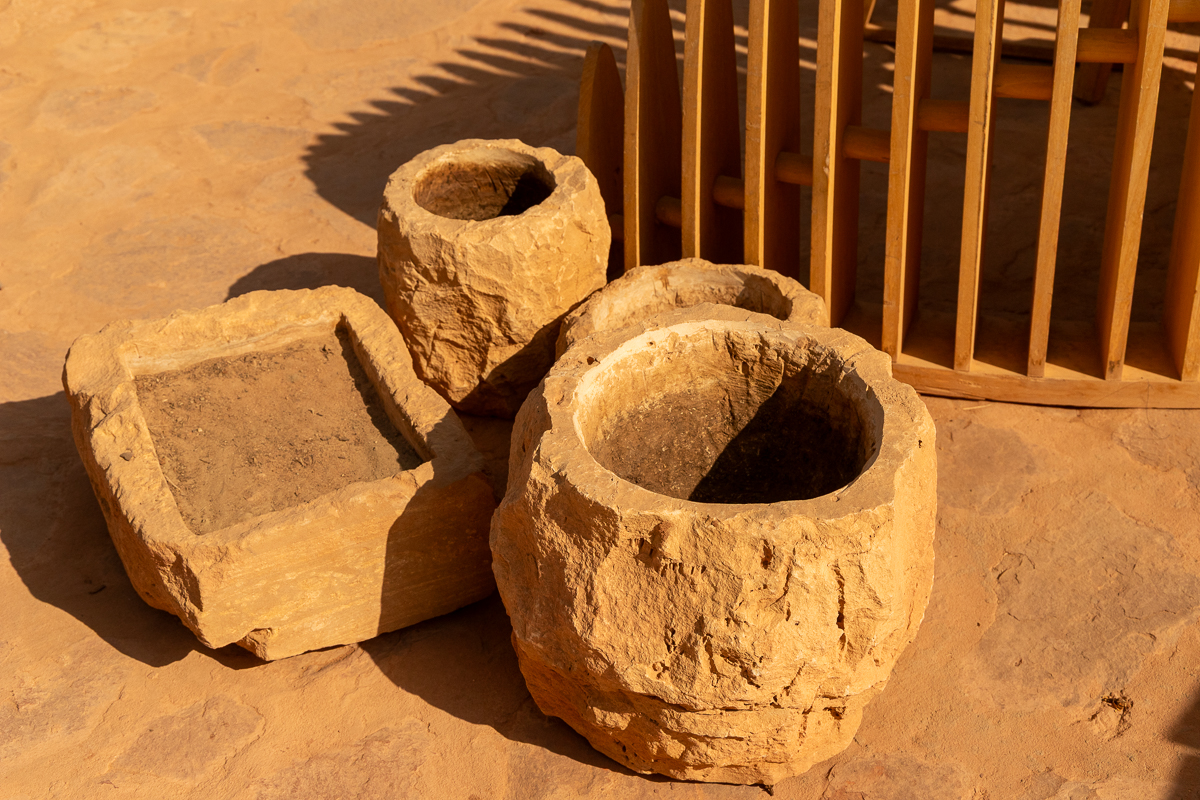
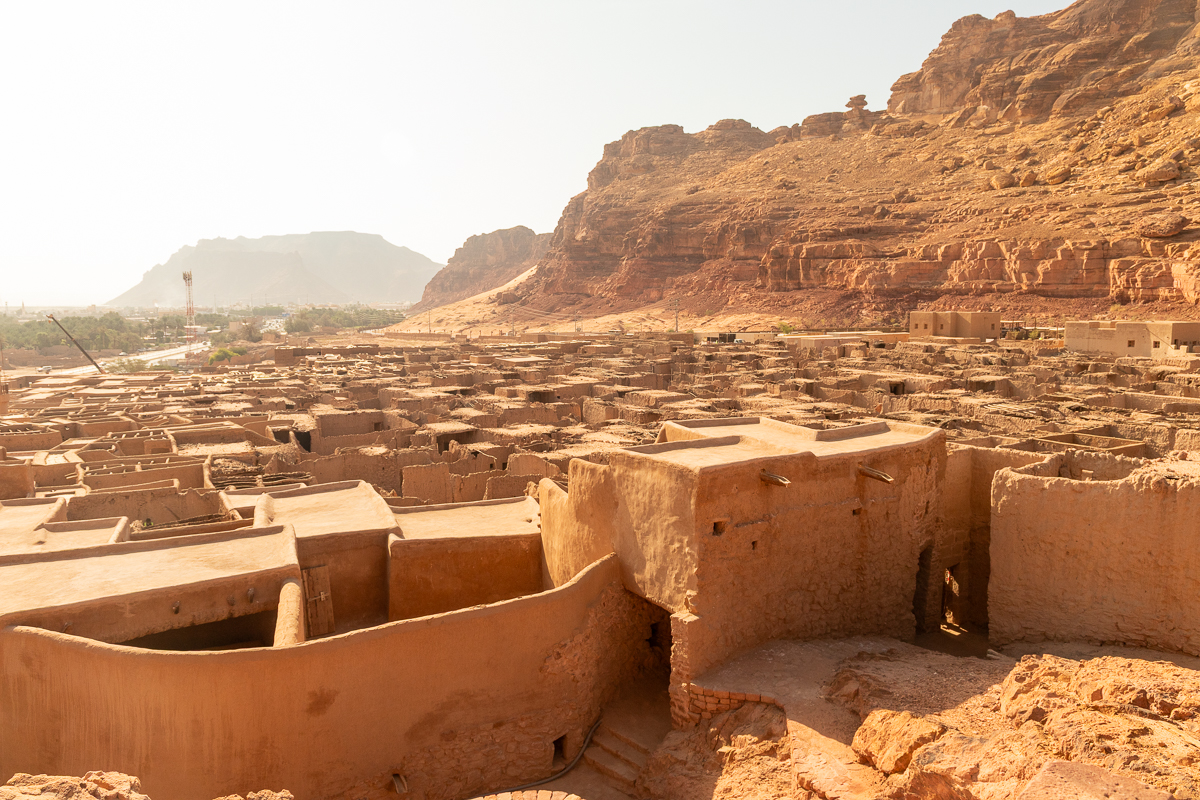
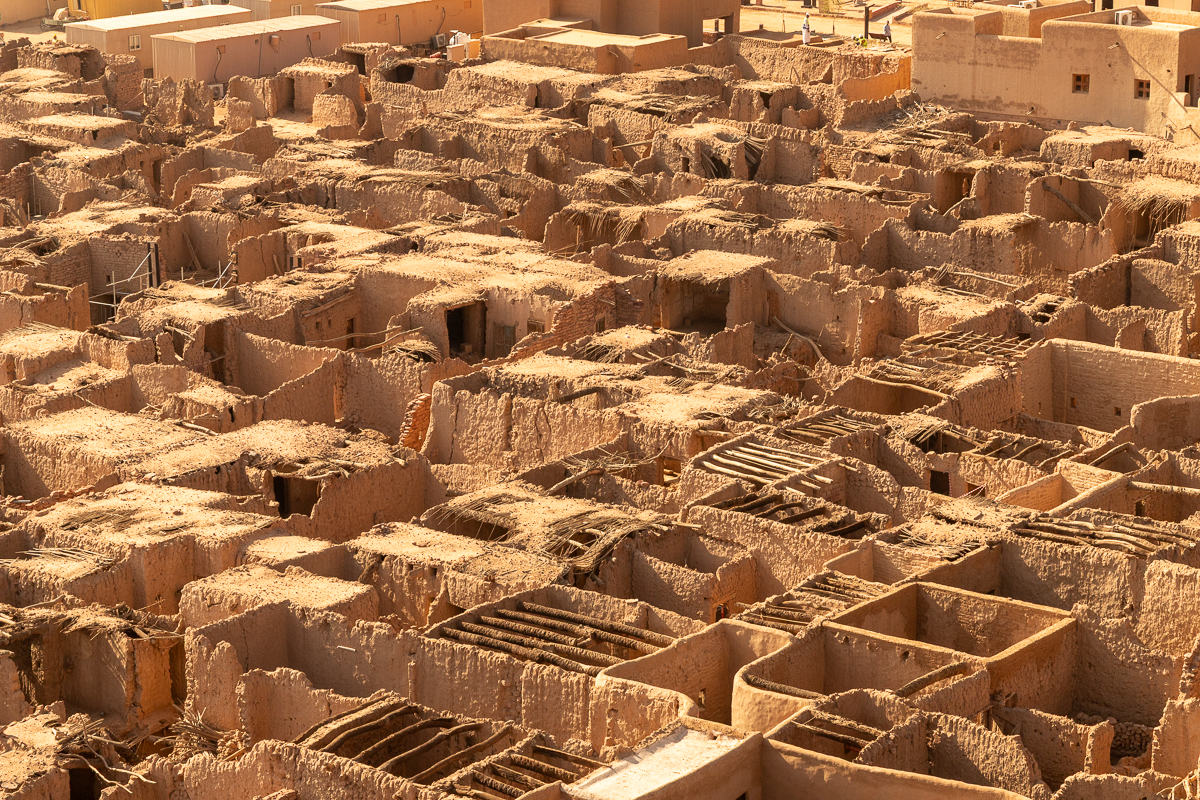
After breakfast, we headed to explore the Old Town of AlUla. Old Town AlUla is a 900-year-old maze of mud-brick houses and narrow shaded alleyways, once home to a thriving community along the ancient incense trade routes. The Old Town is an ongoing restoration site focused on preserving what remains of this 12th-century village. People lived in this village until about 40 years ago, when the buildings began to collapse. The structures that have been preserved now serve as artisan shops and cafes.

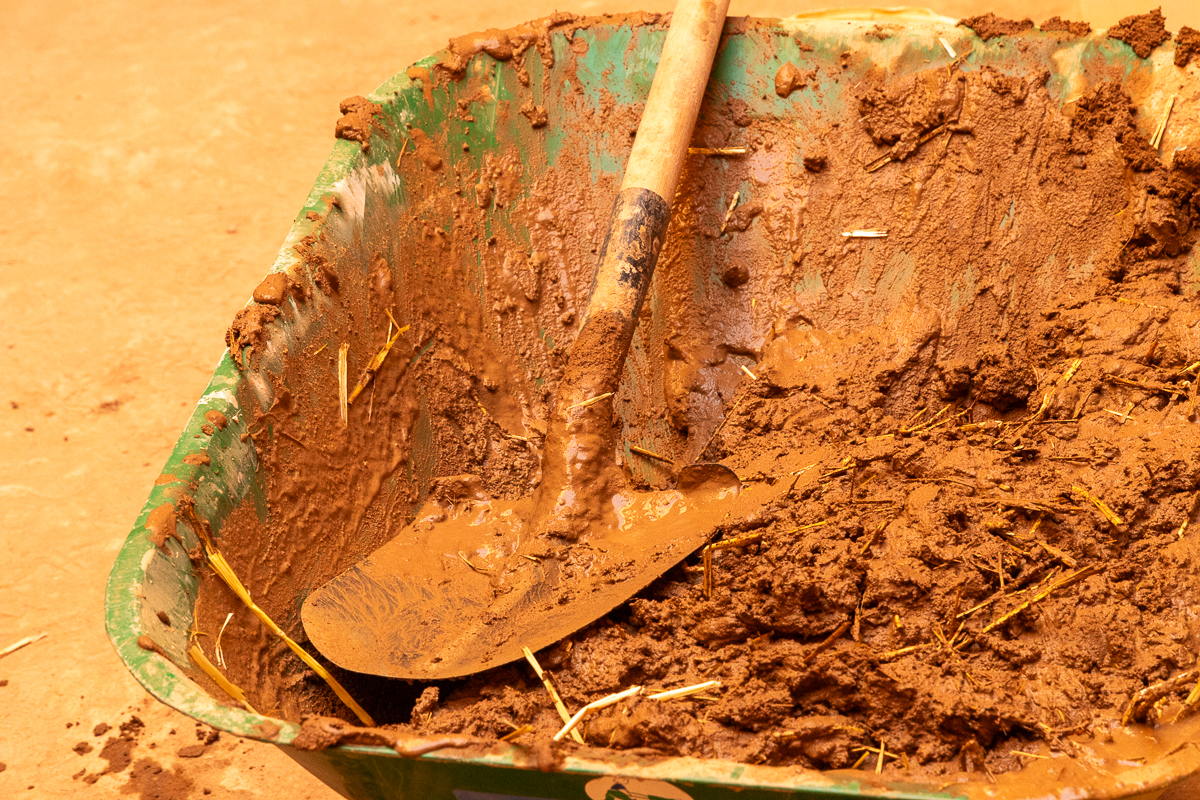
We had the opportunity to visit the construction site and walk through the narrow alleyways of this ancient village. Along the way, we saw numerous workers restoring the village by hand and with care. The beauty of these old mud buildings surrounded us, and each step revealed new photographic opportunities. We climbed up what might have been the fort — I don’t remember exactly — but the vastness of the village amazed me. The idea that the locals aim to restore as much of this as possible seemed overwhelming. They immediately earned my respect.

What is restored is authentic, not a tourist trap, and I hope it stays that way.

Here are some links for information on  AlUla

Old Town AlUla

UNESCO link

AlUla

Old Town AlUla
Old Town AlUla
Old Town AlUla
Old Town AlUla
Old Town AlUla
Old Town AlUla
Old Town AlUla
Old Town AlUla
View from Jabal Umm Nasser


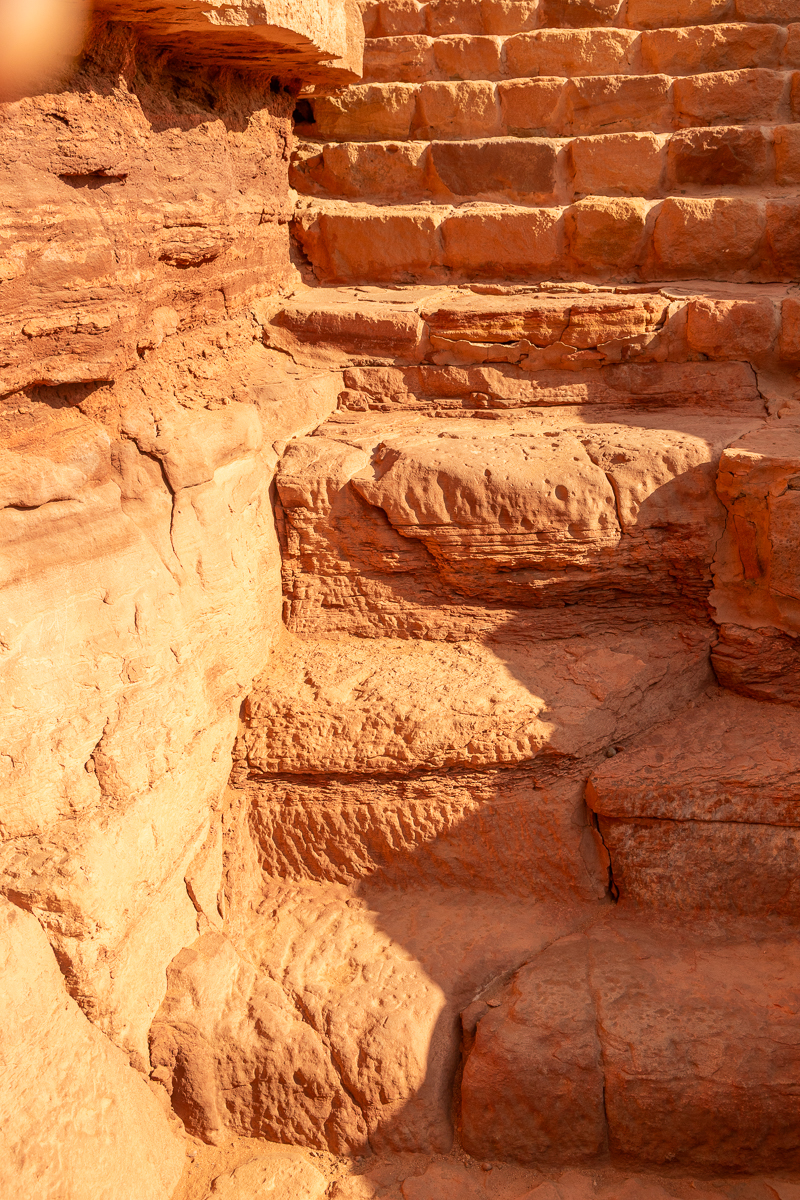
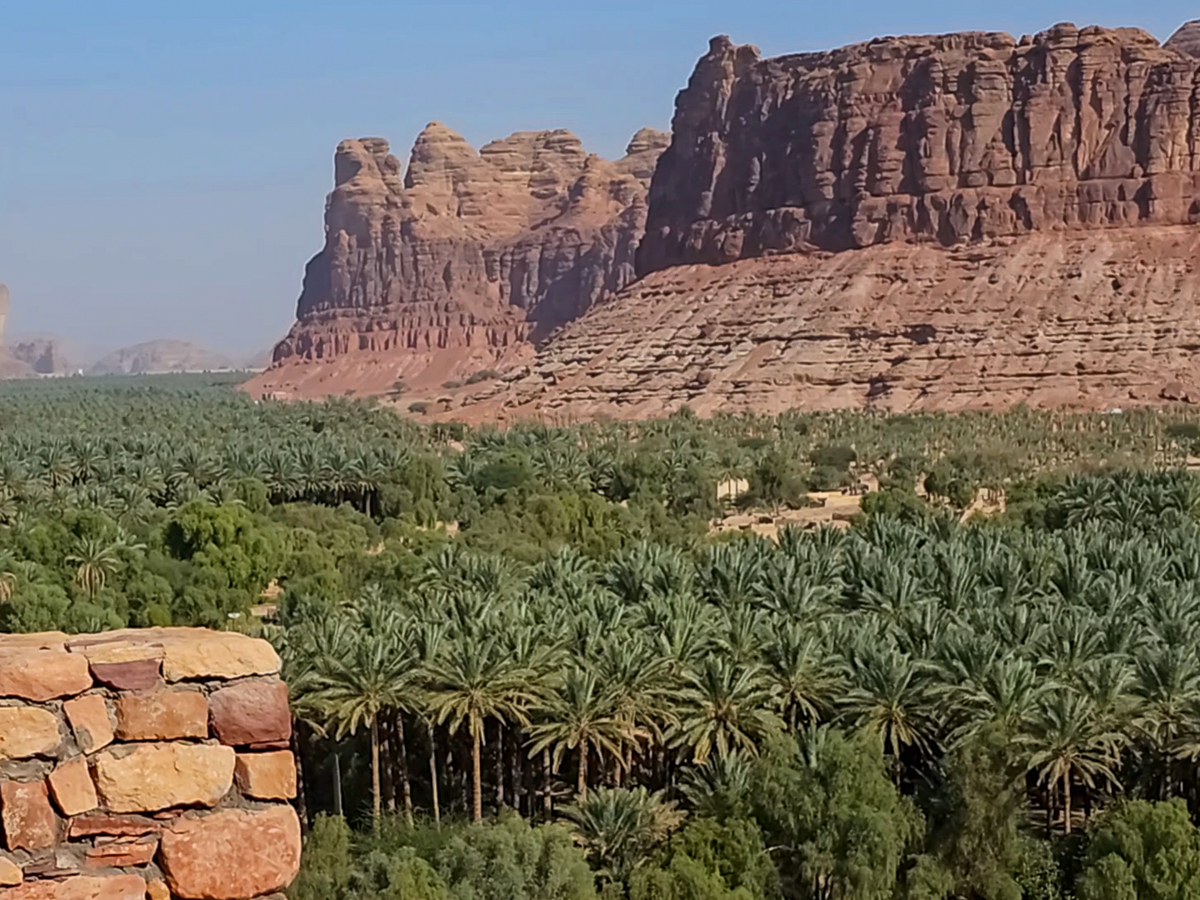
The steps shown in the middle photo led us up the slope of Jabal Umm Nasser, the highest point in AlUla.  These steps were carved over 2600 years ago, leading the AlMunadi, the town crier, to a platform from which he announces the lost and found. A sum of money was paid to Al Munadi in proportion to the item’s value.  Our reward was the view from the platform: the ancient village below and the distant oasis, with its date palms.
 

Old Town AlUla
Old Town AlUla
Old Town AlUla

So when you think you cannot go back further in recorded time and find any ruins, the guides take you to Dadan, (also spelled Dedan) established long before the Nabataeans carved the tombs at Hegra, long before people gather to hear the Al Munadi call out the missing items from Abal Umm Nasser.

To give you a sense of the time we traveled in and around AlUla…

Dadan (Dadanite & Lihyantie Kingdoms) 600 BCE to 100.  BCE means Before Common Era, something I just learned. This is the earliest significant settlement in this valley, an Oasis kingdom, and it becomes the capital of the Lihyanite Kingdom, a regional trading power.

Next in the timeline comes Hegra, a Nabataean City from 100 BC to 106 CE, during the Nabataean period, and the southern city of the Nabataeans. In 106 CE, Rome annexed the Nabataean Kingdom, and Hegra became a Roman outpost. 

Old Town AlUla is comparatively young, established in the 12th century, compared to Dedan and Hegra.  It is a Medieval settlement that lasted into the Modern era, the 1980s.

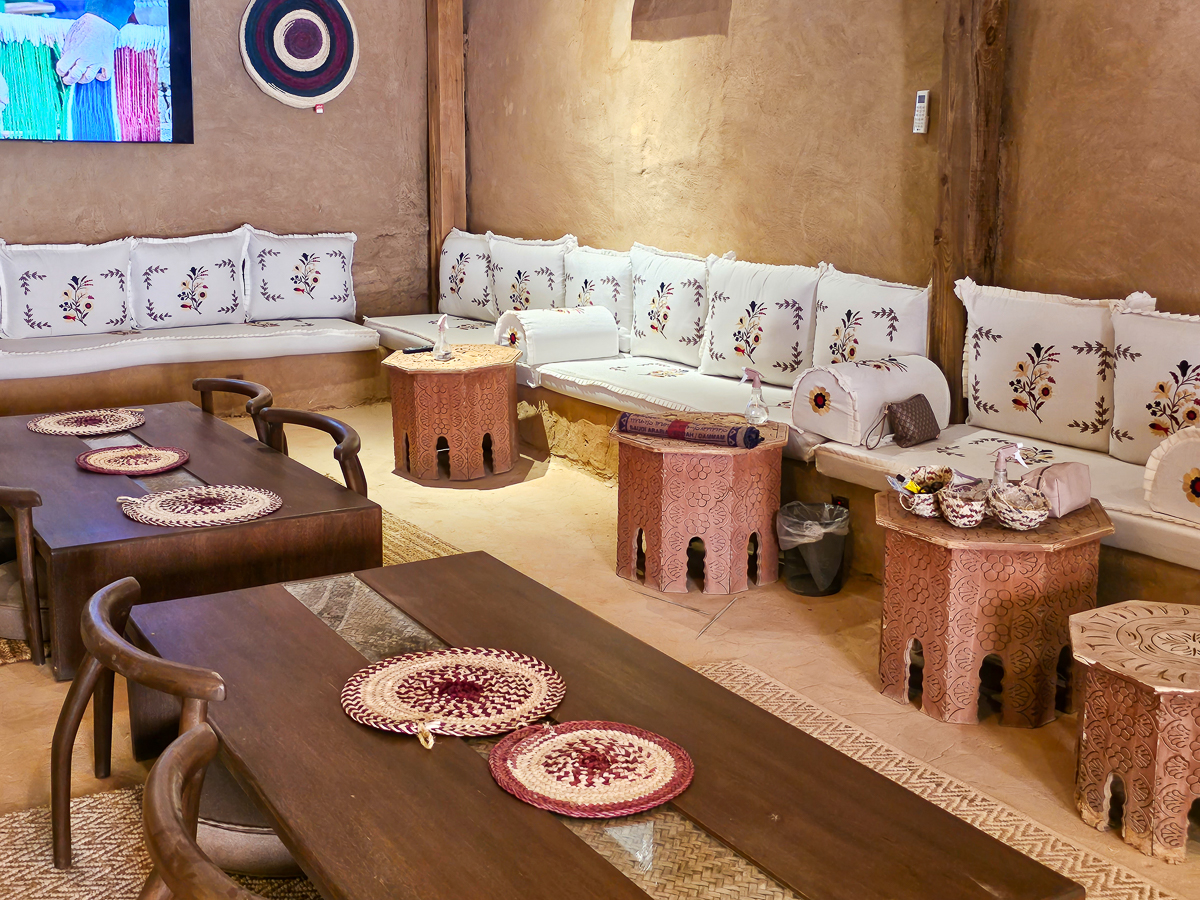
Dadan showed me modern Arabic culture in two very distinctly different ways.  First was the lounge area for the tourists, of which we were the only ones.  They treated us with reverence, there were comfortable seats, and free drinks and dates.  The hospitality in Dadan was something I rarely encountered.

Second, the woman guide that explained everything to us was accompanied by a man.  We went way off the beaten path to see the early signs of this civilization. If I had been the guide, having someone I knew along would be comforting.  He was just there; he didn’t insert himself into our conversation. He offered a hand over the rough patches of terrain, so we could see the markings up close.  I found his presence comforting, not intrusive. 

Dadan

Daden

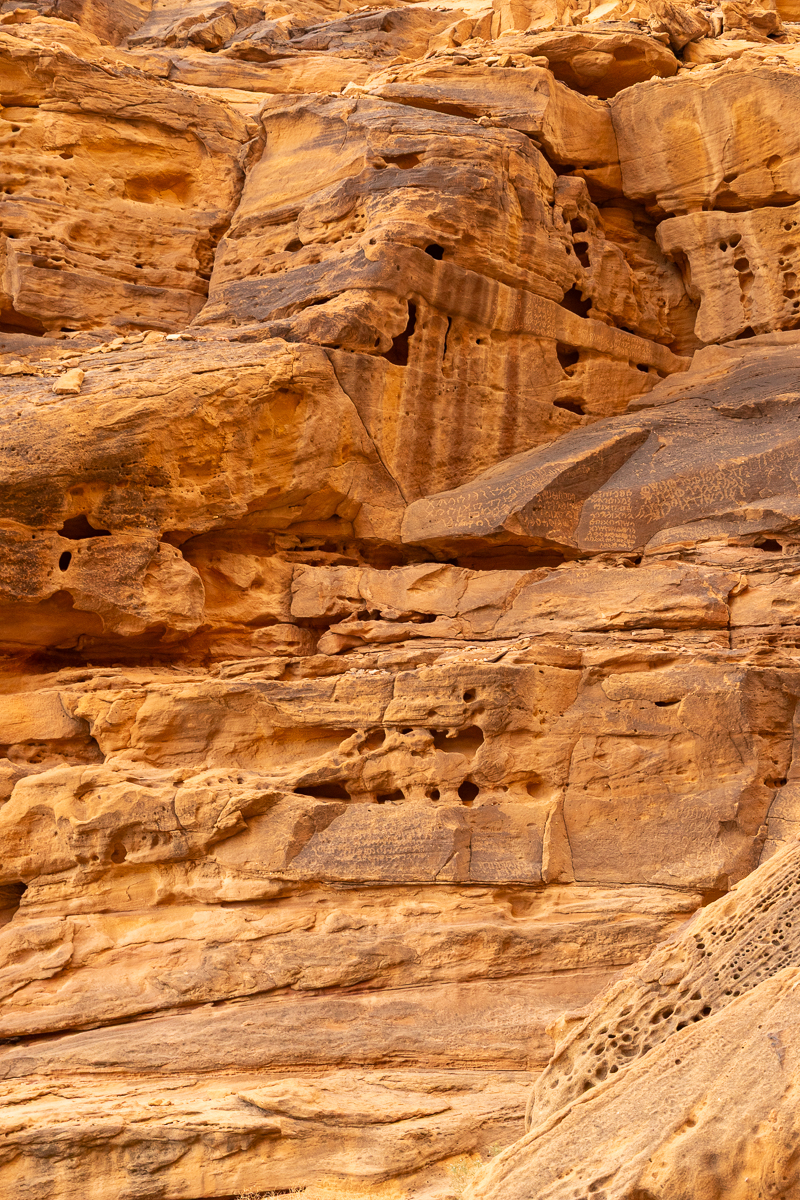
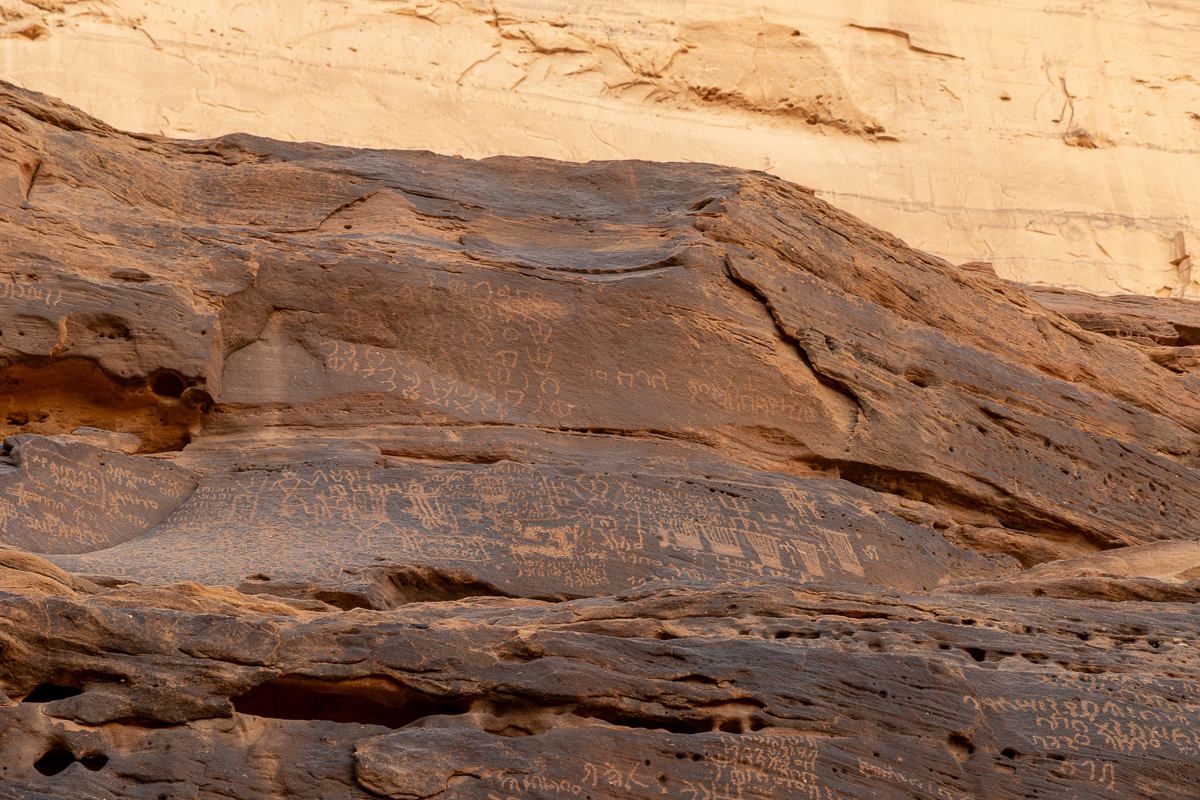
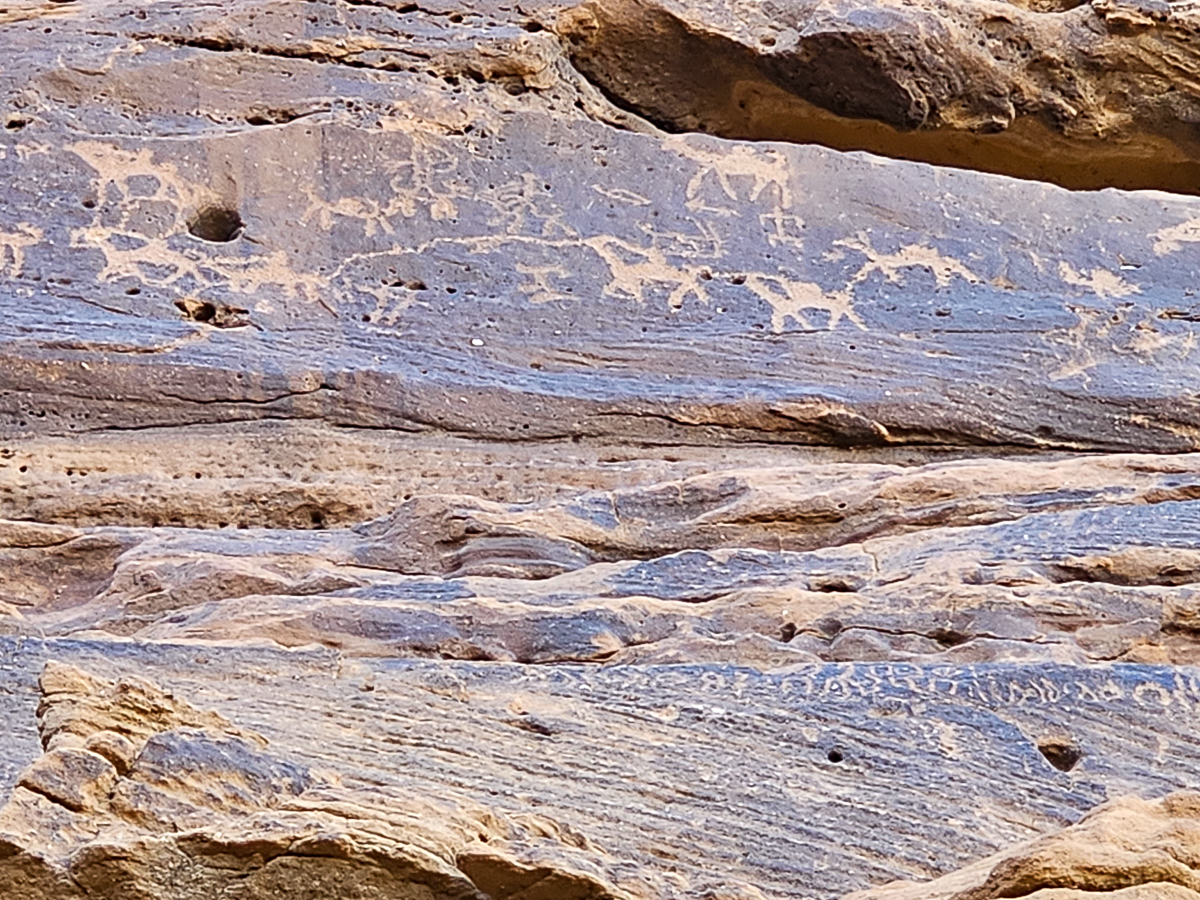
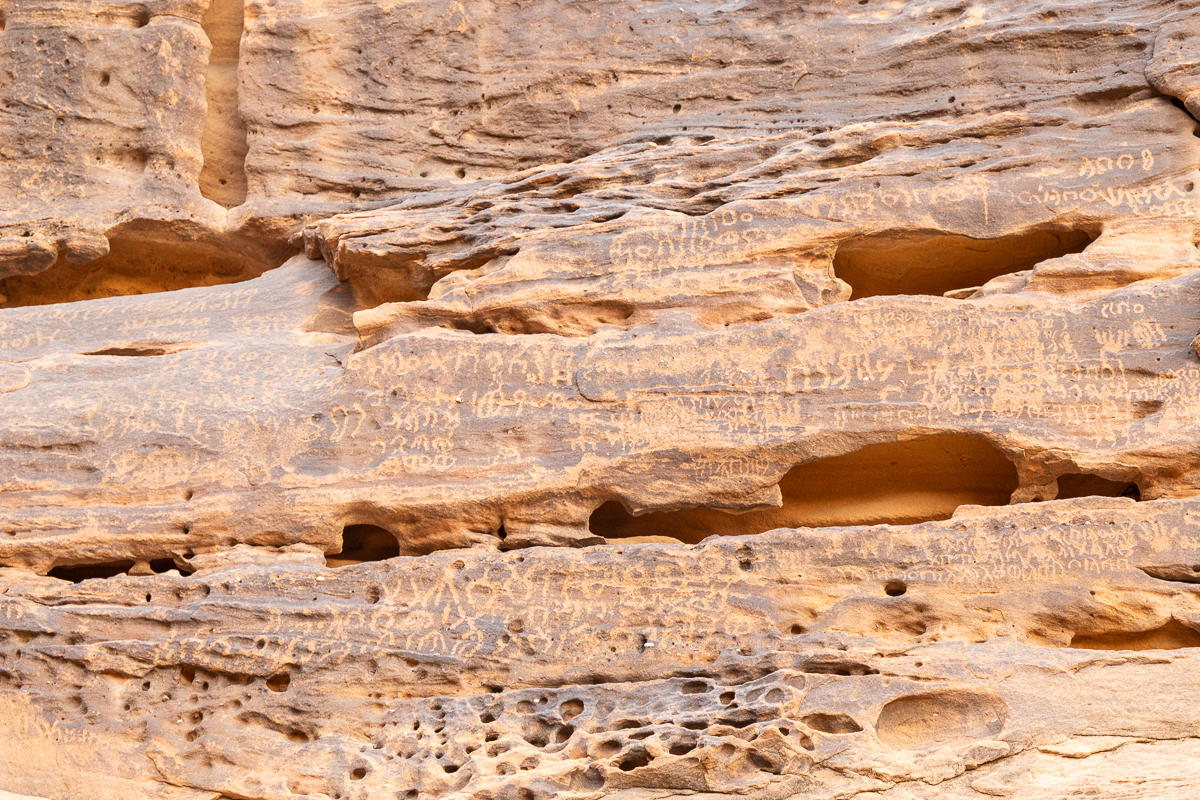
After the comfort of the waiting area, we were off by SUV to see the inscriptions from the pre-Islamic world, roughly the 6th to 2nd century BCE.  We hiked in a short distance to see these ancient inscriptions. This region was a crossroads of trade routes linking Arabia with the Levant and Egypt. Levant is now the current day Lebanon, Syria, Jordan, Israel, Palestine, and some consider part of Turkey and Cyprus. The markings ran in horizontal bands following the natural layers of the rock surfaces, some writing still crisp after 2500 years, others softened by centuries of wind.

 This was part of Jabal Ikmah, the open-air library of AlUla, where travelers, priests, and local residents paused to leave their names, prayers, and small pieces of their lives three thousand years ago. Standing there, it felt less like looking at ruins and more like seeing what the ancient writers wanted later visitors to remember. Is it a way for these ancient travelers to connect with others along this busy trade route? 

Jabal Ikmah, the open air library

Dadan
Jabal Ikmah
Dadan

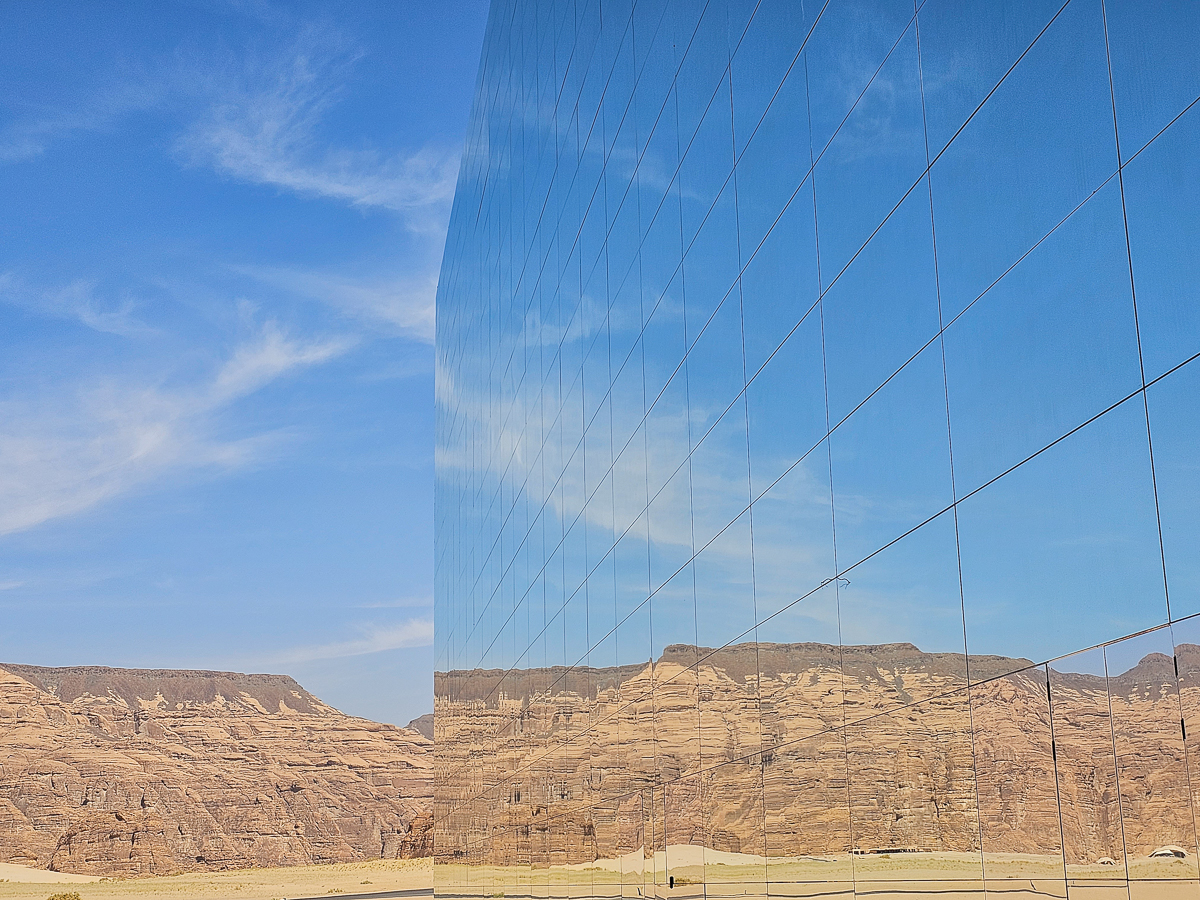
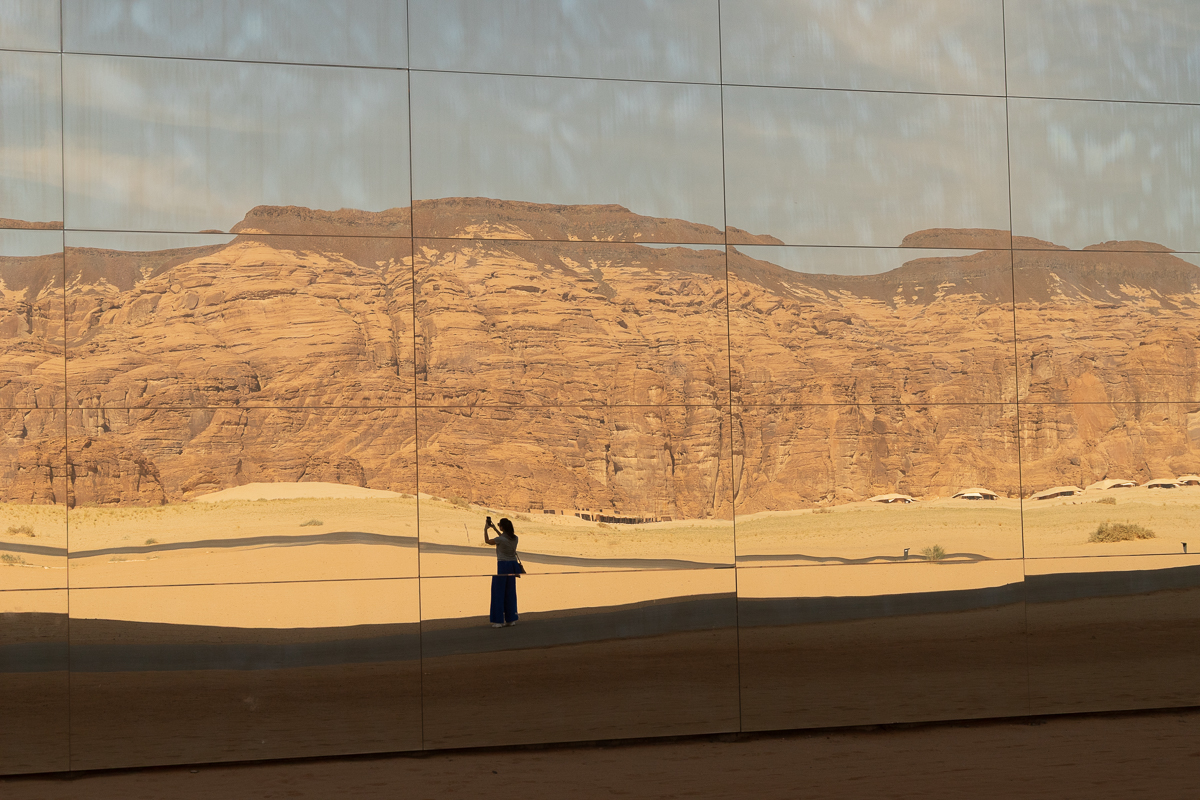
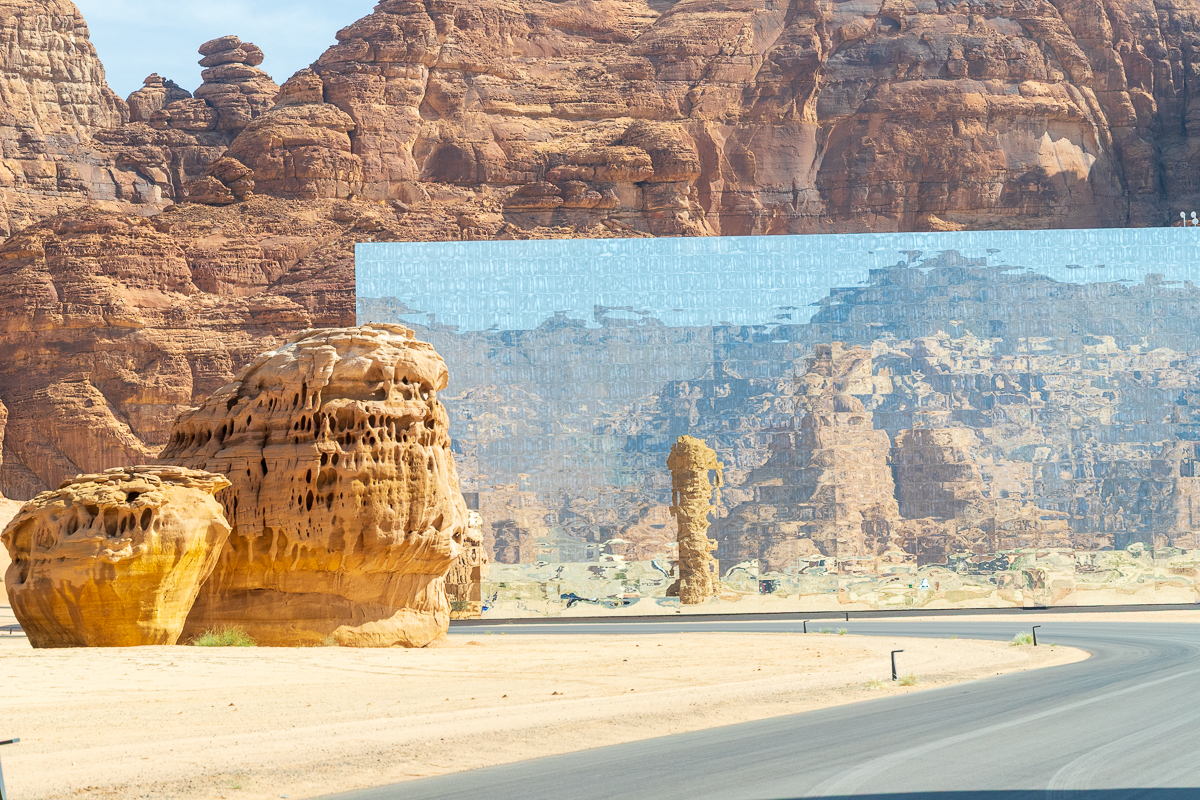
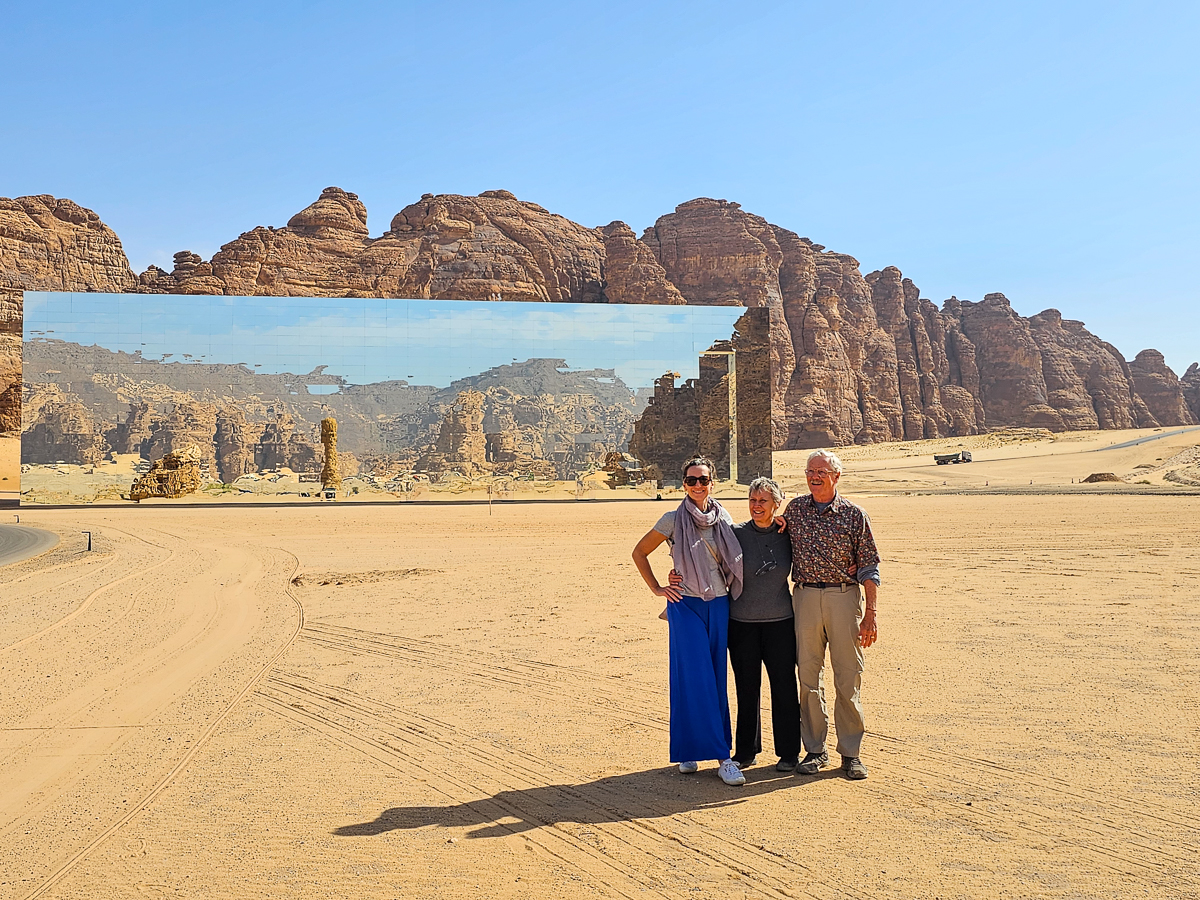
Leaving the ancient world behind, we traveled to see the Maraya Concert Hall, maraya in Arabic means reflection or mirror.  At first, it felt like my eyes were deceiving me: I suddenly saw the desert around me twice, from two different perspectives, and in that moment, my mind questioned what I was seeing.  As you drive closer, the landscape and building separate, and your mind shifts from the discomfort into awe – awe at the imagination it took to design this building, and the ambition required to build it in a place so far removed from anything urban.  But on reflection, this was the only place to make this building.

It is said that the designers couldn’t imagine constructing anything in this place more beautiful than the landscape itself.  And upon seeing the building, I cannot imagine a more attractive one in this place.

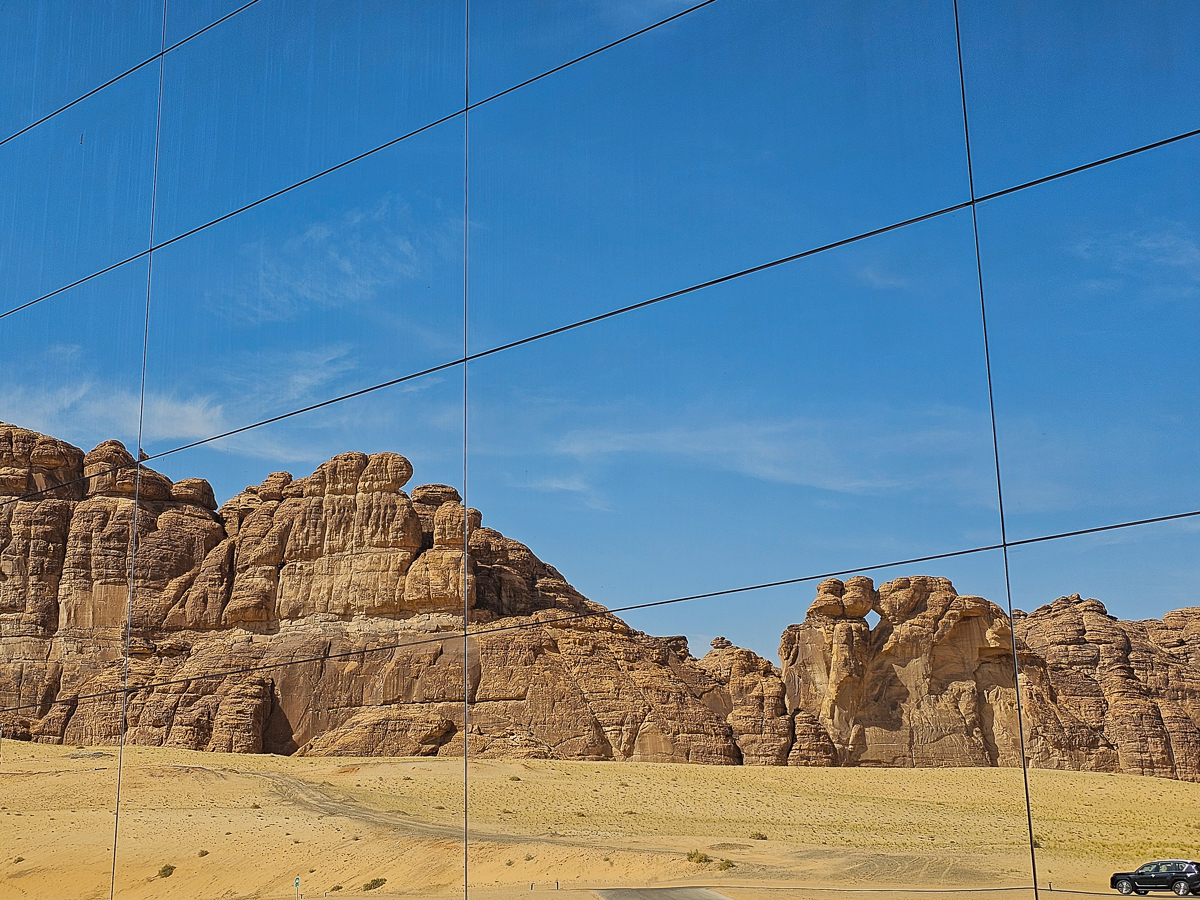
The building is constructed of 9,749 mirrored panels, which reflect the magnificent landscape surrounding it.

I walked around the entire building, which I am told is normal. I marveled at it from every angle and took photographs from every angle.

Maraya Concert Hall

Maraya Concert Hall

In the picture above, you can see the distortion caused by looking at the building.

Maraya Concert Hall
Maraya Concert Hall

In the three photos above, you can see the outline of the mirrored panels.

Below are photos showing the building from afar.

Maraya Concert Hall
Maraya Concert Hall
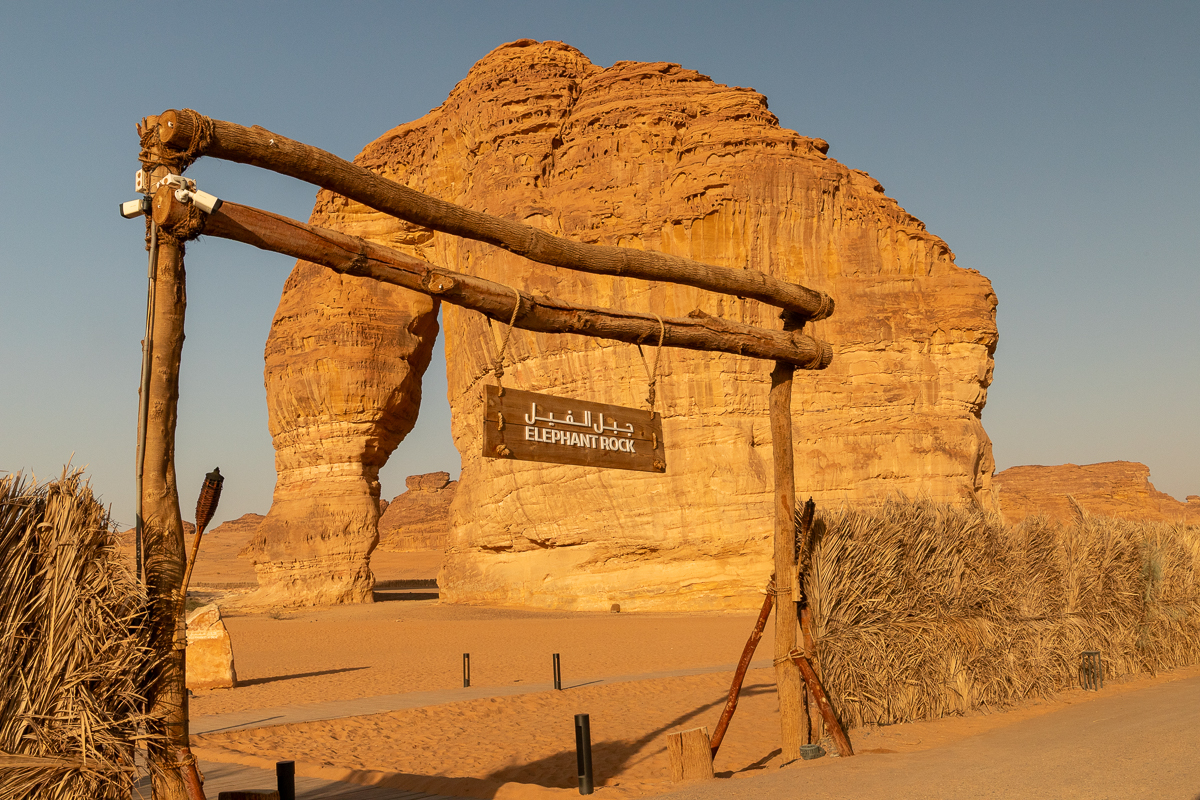
Elephant Rock
Elephant Rock
Elephant Rock

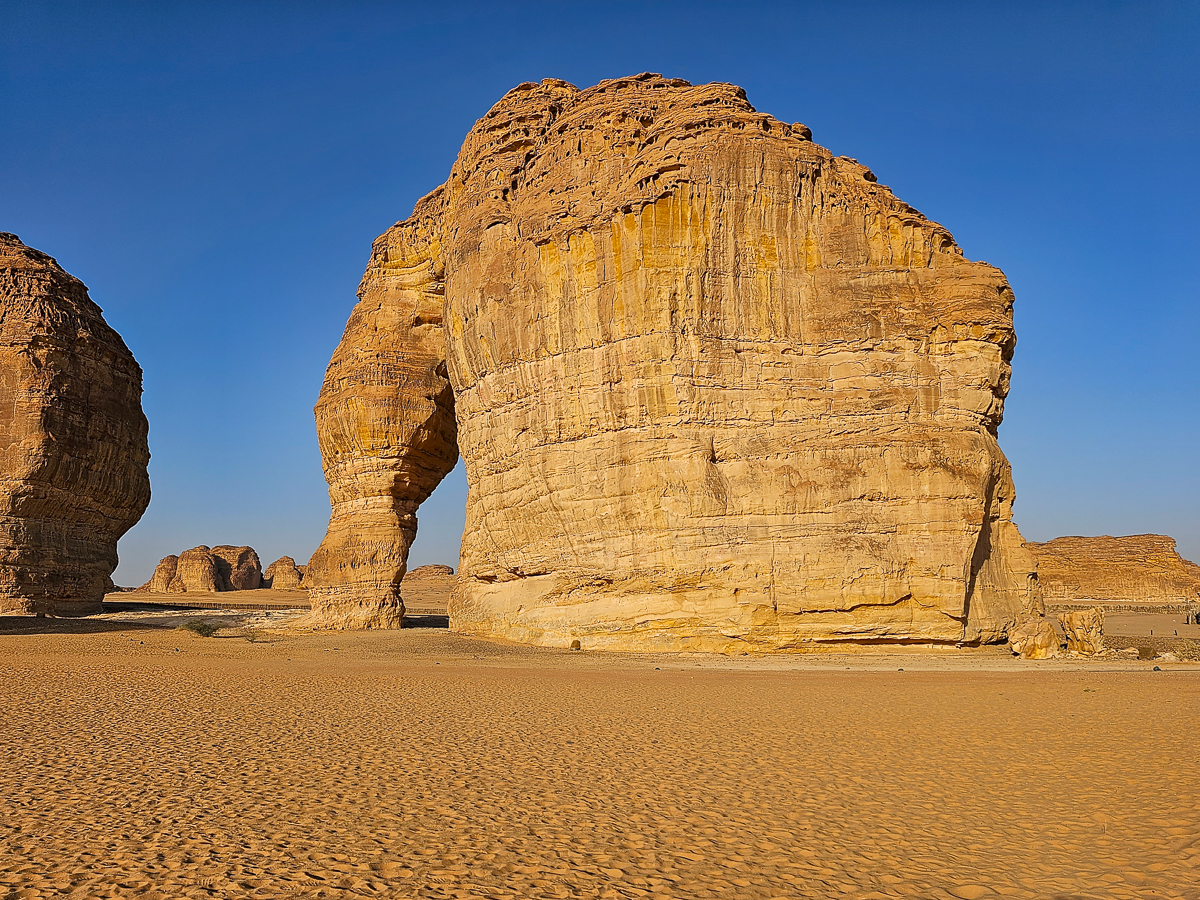
Above: Elephant Rock, Jabal AlFil, with the name in Arabic shown in the photo on the right. This rock was shaped solely by erosion, wind, and sand abrasion—no chisels were used.

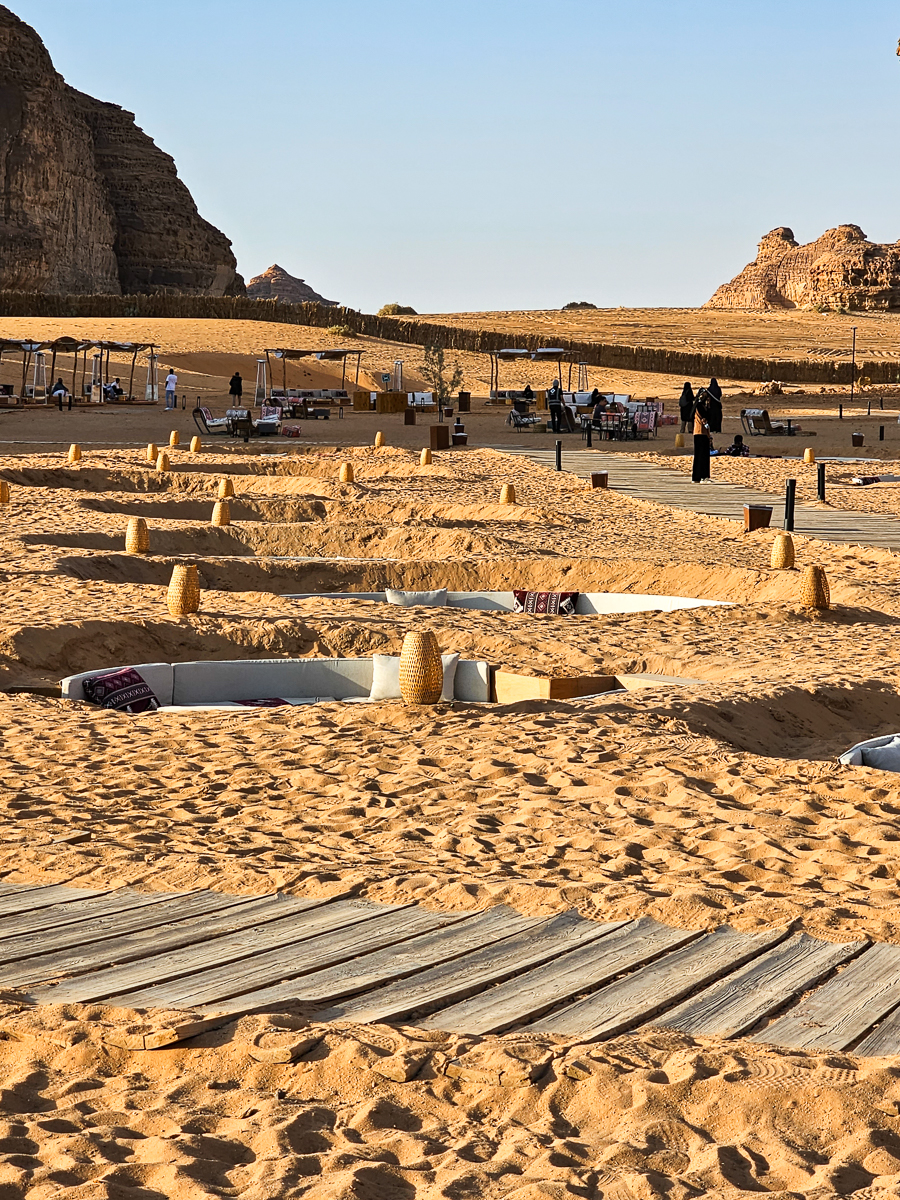
Right: A place near the Elephant rock, for resting or having a picnic.

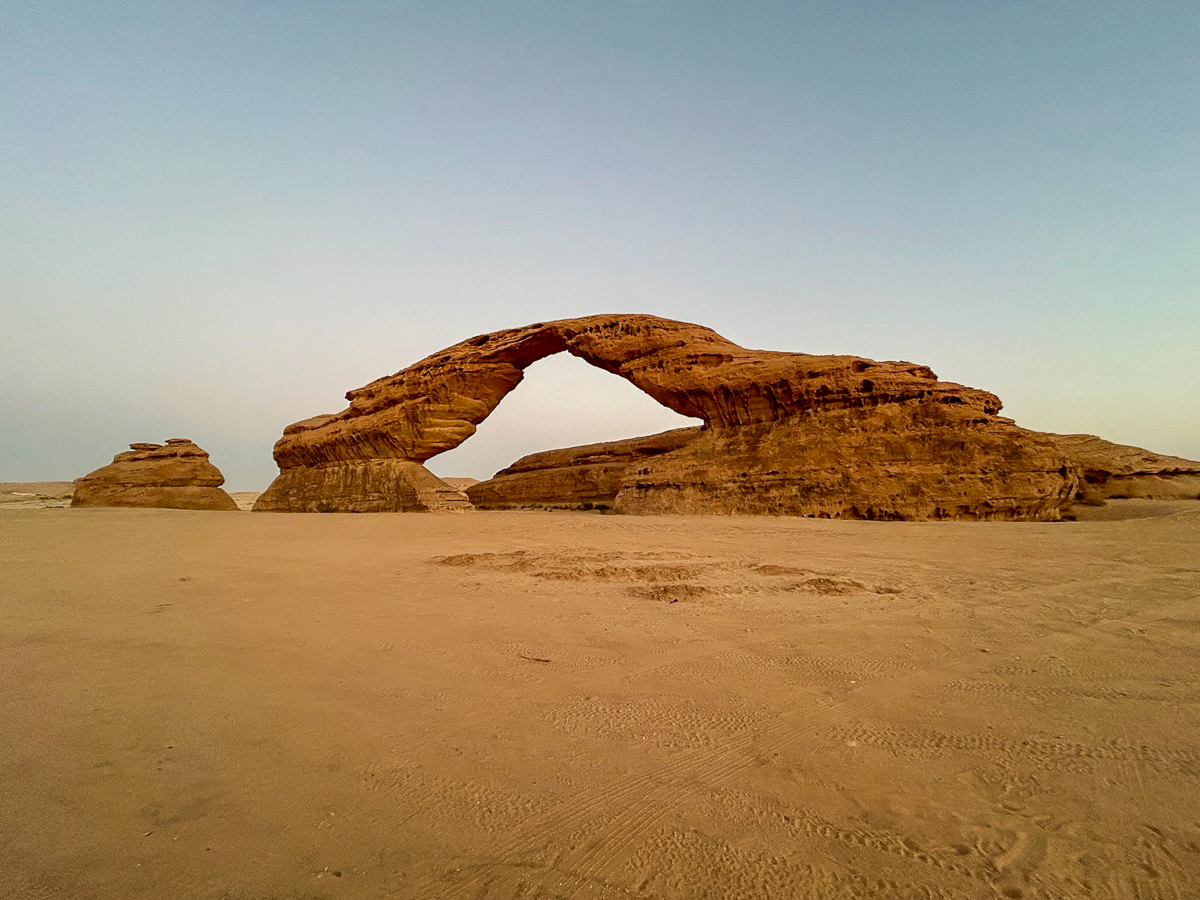
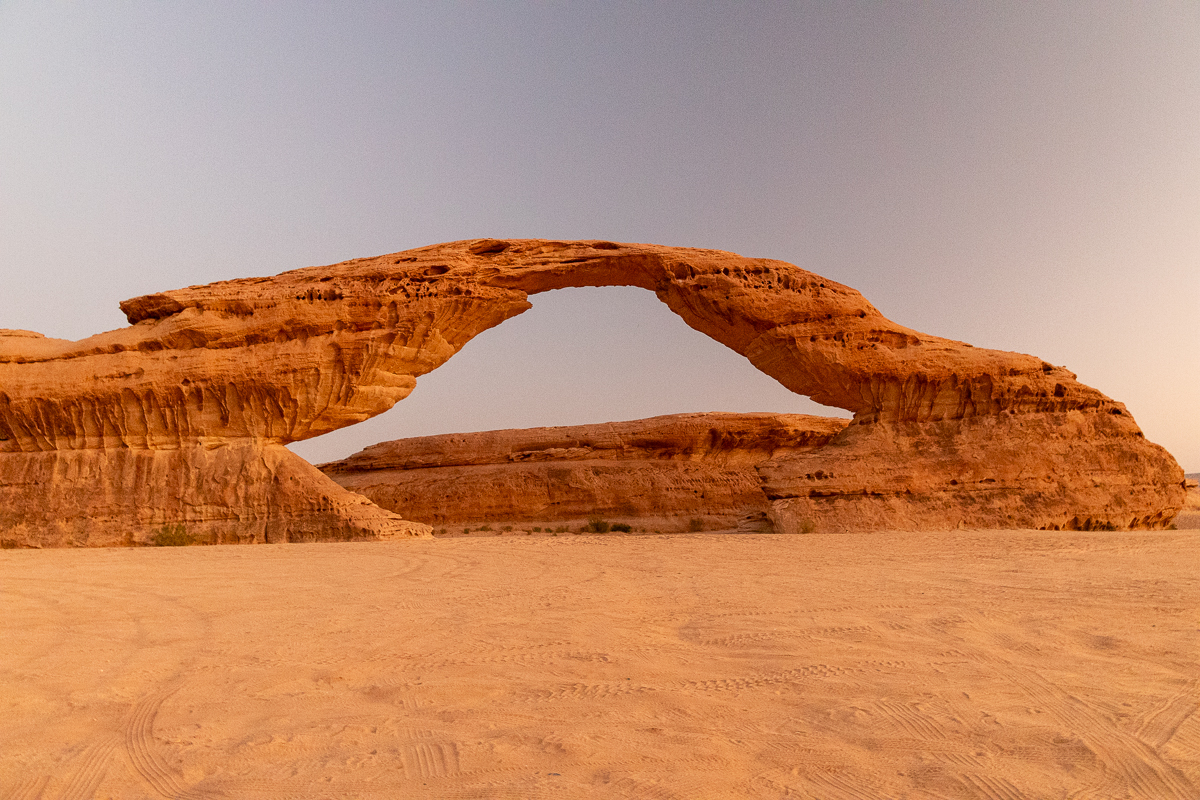
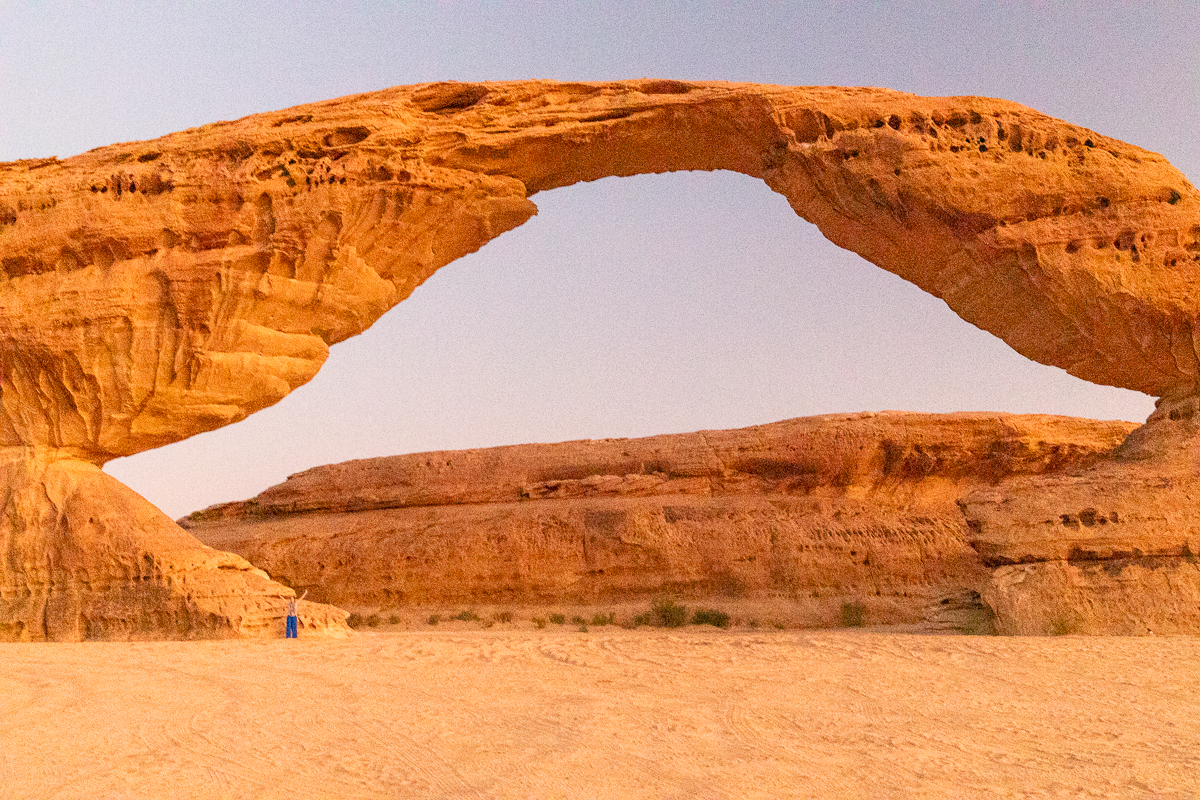
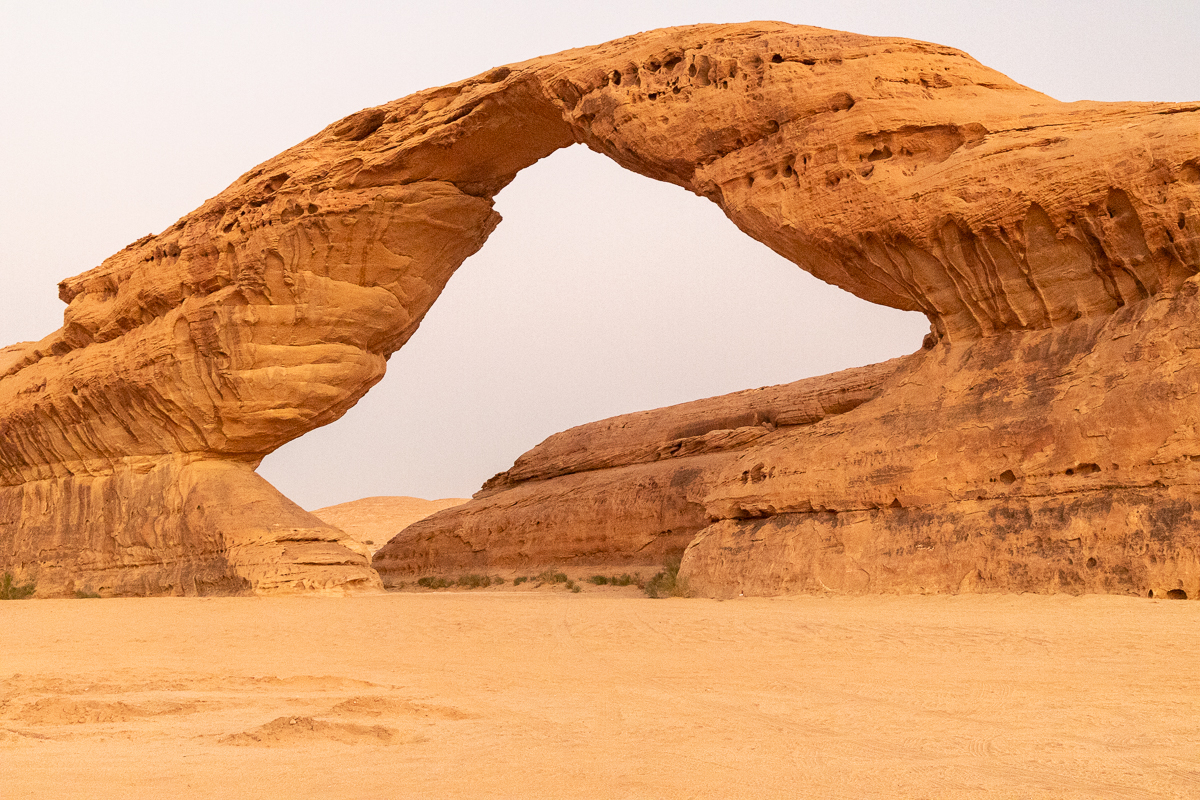
Below: Madakhil Arch  

Naturally, sandstone made an Arch in the AlUla desert.  The AlUla desert is part of the Hisma Desert. The HIsma environment runs into Jordan and the Wadi Run region we visited in 2014.  This is part of the larger Arabian Desert.

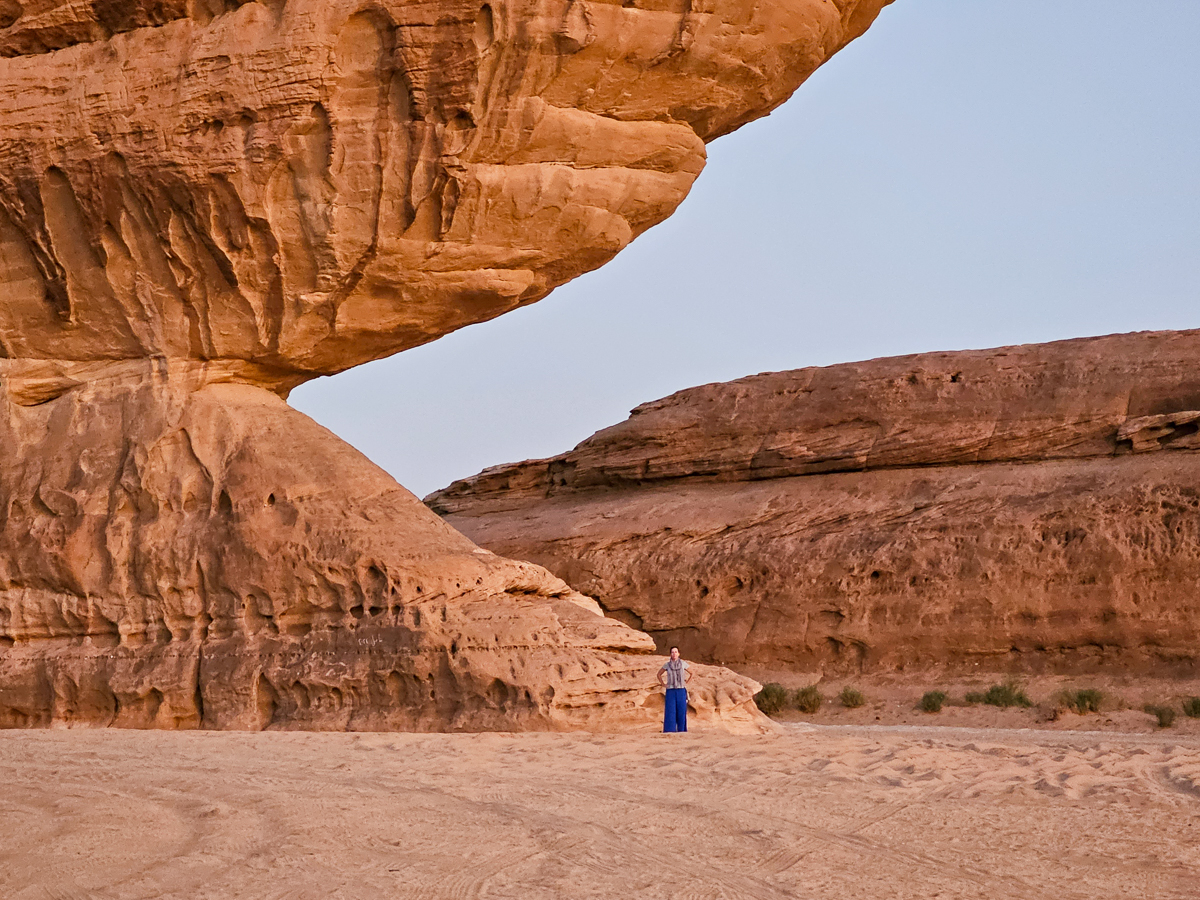
Hisma sandstone, of which Elephant Rock and Madakhil Arch are made, is a half-billion-year-old quartz rock. It’s the stone that gives AlUla, and also Jordan’s Wadi Run, their warm, sculpted, other-worldly look.

In the two far right photos below, you can see Julianna; she appears as a small dot of blue on the left side of the arch in the photo of the entire arch.

Madakhil Arch


Madakhil Arch
Madakhil Arch
Madakhil Arch
Madakhil Arch
Madakhil Arch

After a long day of sightseeing, we took in an astronomical evening adventure, which I predictably snored through. 

READ MORE

Lisa at Luxury Travel arranged both Saudi Arabia and India; see the link above to connect with her information.Saudi Arabia and India were both arranged by Lisa at Luxury Travel, see link above to connect to her information.