Thailand Details
Chiang Mai Day One
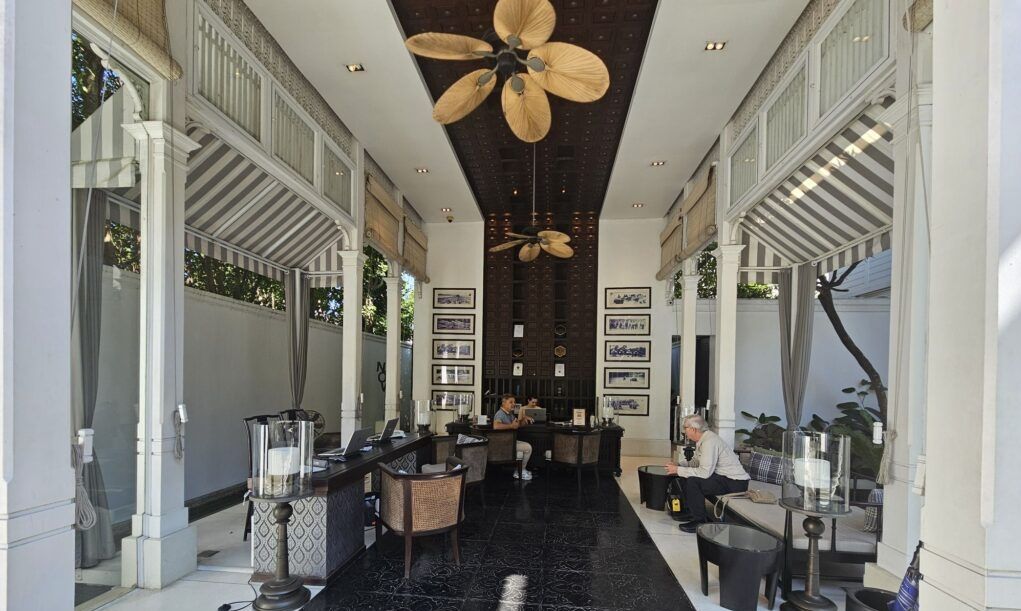
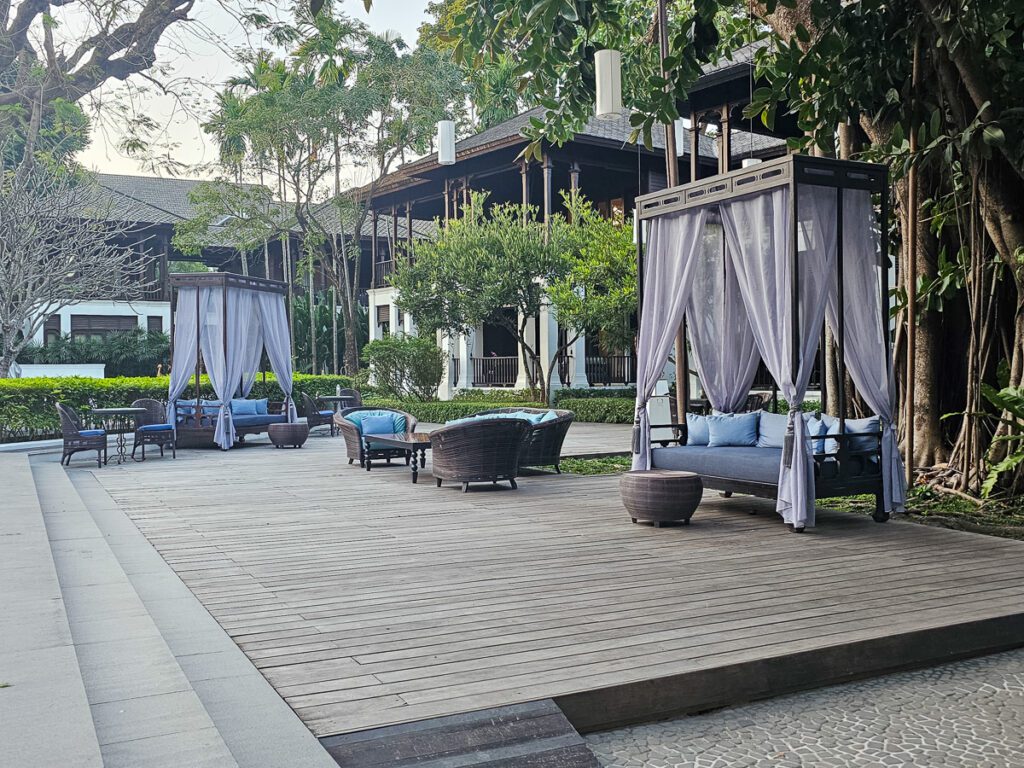
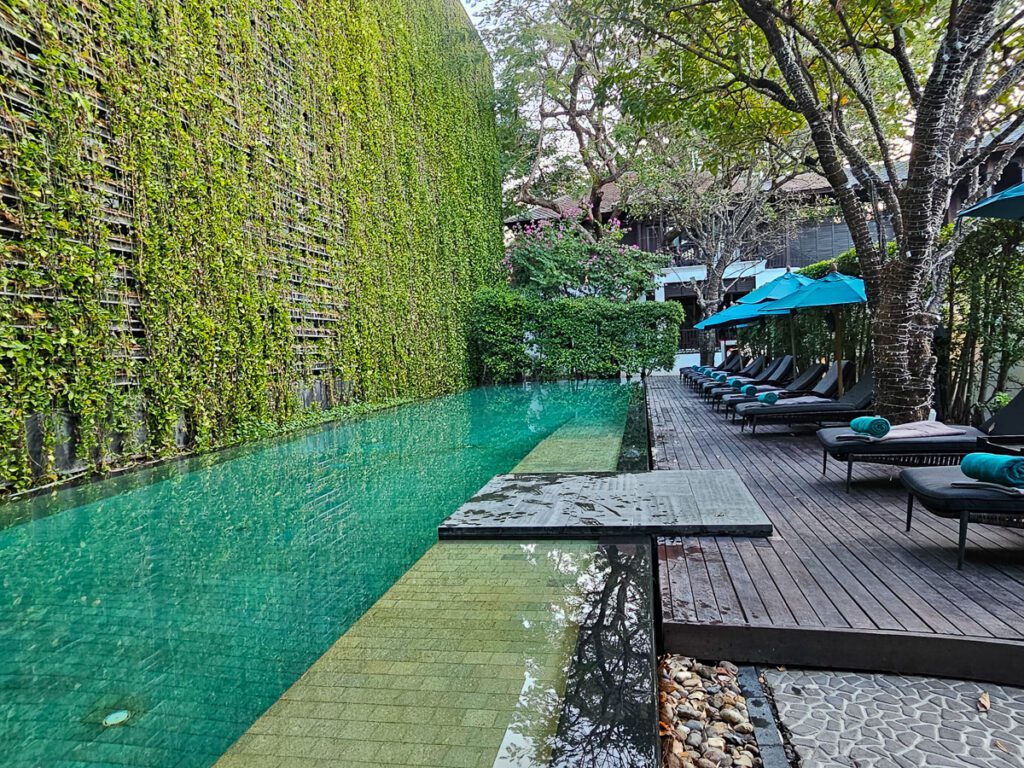
Hotel: 137 Pillars House
The fragments of the woman, the monk, the trees, and the stupa stayed with me. I wanted them whole.
The trees – south out of Chiang Mai towards Lumphun the street was lined with massive Yang Na trees, also called sacred or rubber trees. The 130-foot trees were planted in the early 1900s to provide shade for the travelers. Locals see these trees as guardian spirits and wrap their bases with orange monk-blessed cloth to protect them from logging, turning the trees into symbolic monks, a Buddhist tradition. The trees are also protected by royal decree.
The woman – Queen Jamadevi, is both historic and legendary. She was a Mon princess who, in response to an invitation from local chiefs, traveled north to found the Hariphunchai Kingdom, today’s Lamphun, establishing temples, laws, and irrigation systems. She is said to have ruled wisely and diplomatically, blending Mon culture with local traditions. She had twin sons who inherited her position of power. She represents female sovereignty. anchors Lamphun’s identity. The Lanna kingdoms that followed built on her legacy.
The stupa – the difference between the stupa and the chedi. The stupa and chedi are not different, as I presumed from the discussion. But rather, stupa is the term throughout the Buddhist world, whereas chedi is the word used in Thailand.
The monk – Kru Ba Sri Vichai, a builder of Lanna Buddhism. His likeness is found in many temples. He is best known for leading the construction of the road up Doi Suthep. He is seen as a symbol of moral authority, a protector and unifier of the North.
Places we visited
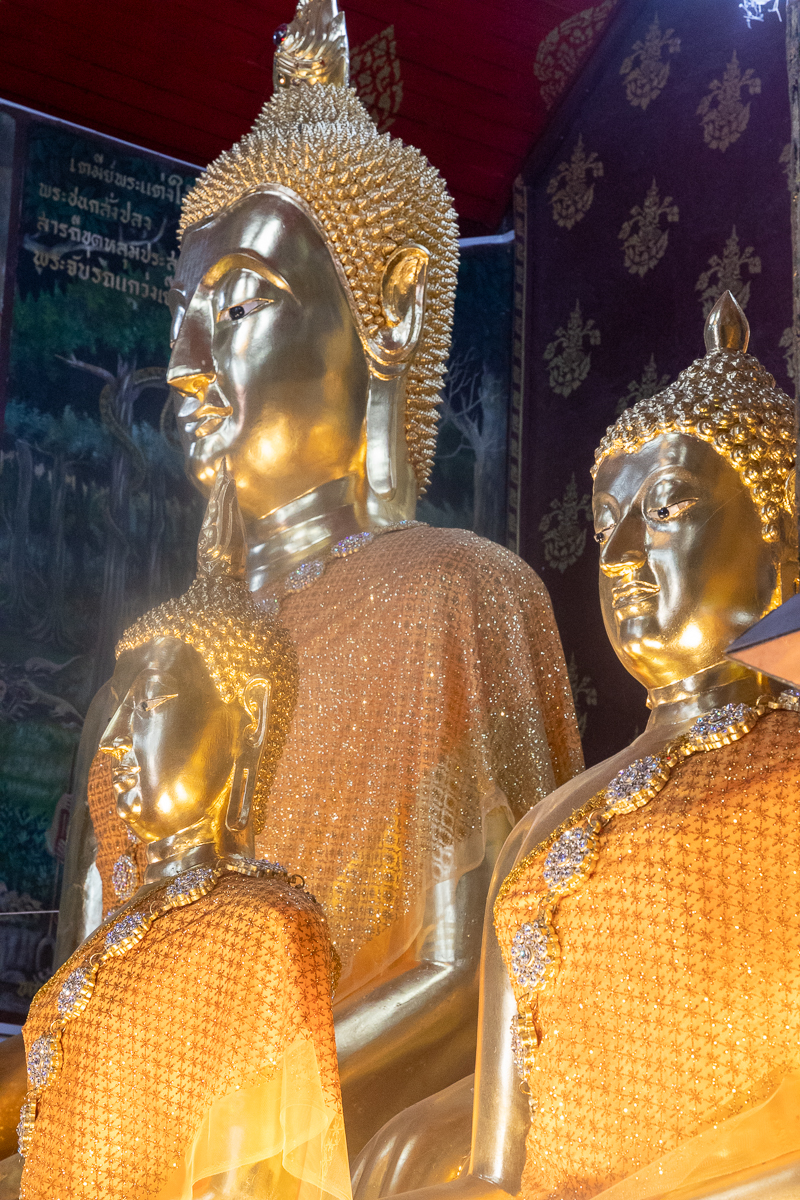
Hariphunchai Temple – Lamphun Thailand, for more information
https://en.wikipedia.org/wiki/Wat_Phra_That_Hariphunchai
Jamatavee Temple – which predates Lanna temples, and is Mon in character